
REVIEW · CABLE CAR RIDES
Medellín Tour: Themed Vehicles, Tram Ride and Metrocable
Medellín makes public transport part of the sightseeing. This half-day outing combines a colorful tour vehicle, the city Metro, Line H Metrocable, downtown plazas, and Pueblito Paisa, giving you a useful first look at how Medellín fits together. I like the cable-car views over hillside neighborhoods and the chance to ride the clean, efficient Metro for just $26. I also like the mix of famous sights and ordinary city movement.
The main catch is pace. Several stops last only 20 or 30 minutes, and a bilingual tour can take longer because explanations are given in Spanish and English. Some guides handle that well, including Juan, Alex, and Nohemí, while other visitors have found the English summary too brief or the microphone hard to hear.
In This Review
- Key points to know before booking
- What this Medellín city tour is really designed to do
- La Alpujarra and the first taste of central Medellín
- San Antonio Metro Station and the city’s working transport system
- Line H Metrocable: the strongest part of the experience
- Botero Plaza and the oversized art of downtown
- Barefoot Park and a short sensory pause
- Pueblito Paisa and the view that earns its place
- Guides, languages, and the pace of the day
- Who will get the most from this $26 outing?
- What to bring and how to make the day smoother
- Should you book the Medellín Metro and Metrocable tour?
- FAQ
- Where does the Medellín tour start and finish?
- How long does the tour last?
- What transportation is included?
- Is coffee or tea included?
- Is food included?
- How many people can join the tour?
- Can I cancel for a full refund?
Key points to know before booking
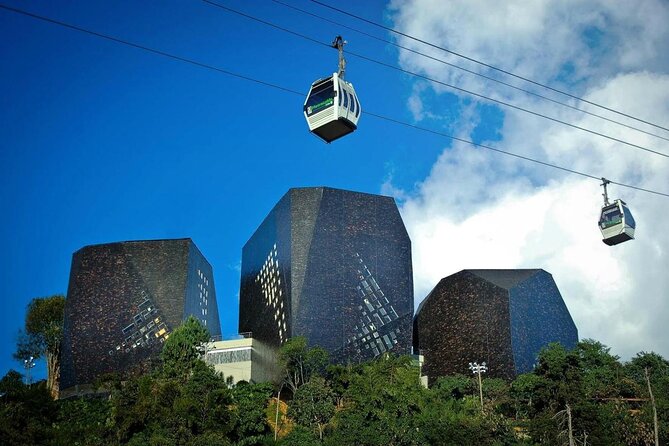
- The Metrocable is the star of the day: Line H crosses above eastern neighborhoods and offers a broad look at Medellín from the air.
- You ride several forms of transport: Private vehicle, Metro, and cable car are included, with some tours also using a tram or taxi as part of the city transfer.
- Pueblito Paisa gives you the best viewpoint: The hilltop stop includes a 360-degree view, a small Antioquian village replica, shops, a museum, and places to buy a snack.
- Botero Plaza is a quick but worthwhile stop: You can see Fernando Botero’s famous large-scale sculptures and visit the nearby Antioquia Museum area.
- The tour is good for first-day orientation: It connects downtown, the eastern hills, and El Poblado without requiring you to work out the transit system alone.
- Bring cash, water, and patience: Food is not included, bathroom access may be limited early on, and traffic can eat into sightseeing time.
What this Medellín city tour is really designed to do
This is not a slow museum tour or a deep visit to one neighborhood. It is a moving introduction to Medellín, built around the idea that the city is best understood from several angles: street level, rail level, and high above the rooftops.
You begin at La 9 Mall Gastroturístico in El Poblado. The same location serves as the end point, which makes the meeting arrangement simple. The tour lasts about three to four hours and accepts a maximum of 30 people, so you should expect a small coach or themed vehicle rather than a private walking tour.
The price is strong for what is covered. At $26 per person, you receive private transportation, coffee or tea, Metro and Metrocable tickets, and a medical assistance card. Snacks, tips, and payments at places not listed are extra.
I see the best value in the transportation itself. You are not only being driven between attractions. You are using the same Metro and cable system that residents use, while a guide explains how those systems changed movement around the city. That gives the outing more purpose than a standard drive-by tour.
More cable car rides in Medellin:
- Medellin: Comuna 13 Graffiti Tour, Cable Car & Street Food
★ 4.8 · 9,046 reviews - Medellín: Comuna 13 District Tour with Cable Car Ride
★ 4.8 · 1,467 reviews - Pablo and Comuna 13 with Cable Car
★ 5.0 · 616 reviews
La Alpujarra and the first taste of central Medellín
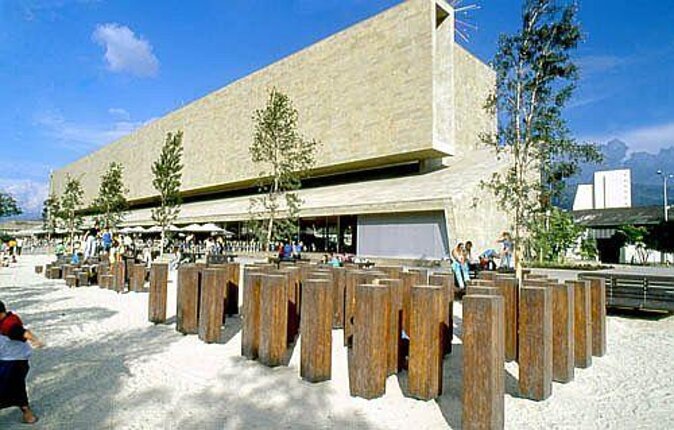
The first major stop is Centro Administrativo La Alpujarra, a central civic area with views toward Parque de las Luces, the Vásquez Carré buildings, and the old Medellín railway station.
The stop lasts about 20 minutes. That is enough for a quick look and some photographs, but not enough for a relaxed architectural walk. If you enjoy city planning, old railway buildings, or modern public spaces, listen closely during the introduction because the guide’s explanation carries much of the value here.
Coffee or tea is included at Málaga Hall. It is a small but welcome touch, especially because there is no meal or snack included later. Do not expect this to be a tasting experience. It is simply a chance to pause with a Colombian drink before the transport-heavy part of the tour begins.
The opening section also introduces Medellín’s major streets and avenues. This matters because the city can feel confusing at first. The tour gives you a rough mental map before taking you underground and up into the hills.
San Antonio Metro Station and the city’s working transport system
At Estación Metro San Antonio, the tour turns from sightseeing by vehicle to sightseeing through public transport. You walk into the Metro system, hear about its development, and ride through the city in a clean, orderly setting.
The planned time is about 30 minutes. That includes the station visit, the explanation, boarding, and the ride. You should think of this as an orientation ride, not a long Metro journey.
This is one of the more useful parts for a first visit. The Metro connects parts of Medellín that look very different from one another, and riding it helps you understand the city’s layout. It also shows you how locals get around rather than keeping you inside a tourist vehicle all day.
There is one practical concern. The Metro can be crowded, especially around busy periods. Keep your phone, wallet, and bag close in crowded areas. One person on the tour had a theft occur on the train, and the operator says the guide gives warnings about belongings. That does not make the ride unsafe by itself, but it is a reason to stay alert.
The bilingual format can also affect this section. A guide may explain first in Spanish and then in English. When the group is mostly Spanish-speaking, the English portion may feel shorter. Guides such as Juan and Alex have been praised for giving balanced explanations, but you should ask politely if you miss an important point.
Line H Metrocable: the strongest part of the experience
The Line H Metrocable ride is the tour’s clearest highlight. You board the cable car and rise over popular neighborhoods in Medellín’s eastern sector, with the city spreading below and the hills rising around it.
The ride is scheduled for about 30 minutes. The route offers more than a photograph from above. The guide discusses the history of Medellín’s aerial transport and the way cable connections have helped link hillside communities with the rest of the city.
The tour also touches on the story of La Sierra, a neighborhood that faced violence and hardship before building a different future for its residents. That context gives the ride some weight. You are not simply looking down at rooftops. You are seeing a part of the city shaped by difficult geography, unequal access, and local resilience.
Pay attention to the exact ride included. Some reports describe traveling only one stop and not reaching the highest point. That may be a disappointment if you expect a long cable-car journey into the mountains. The listed experience is Line H, but the practical route can depend on timing, operations, and the day’s coordination.
Still, this is the portion I would protect if the schedule becomes tight. The views are hard to duplicate from a road, and the cable car helps you see how Medellín rises from the valley into steep residential areas.
More things to do in Medellin:
- Comuna 13 Graffiti Tour with Street Food
★ 5.0 · 7,503 reviews - Museo Pablo Escobar
★ 5.0 · 7,242 reviews - Guatapé Tour: Piedra del Peñol with Boat Tour, Breakfast, Lunch
★ 5.0 · 7,035 reviews - Medellín: The Real Pablo Escobar Tour
★ 4.8 · 3,205 reviews
Botero Plaza and the oversized art of downtown
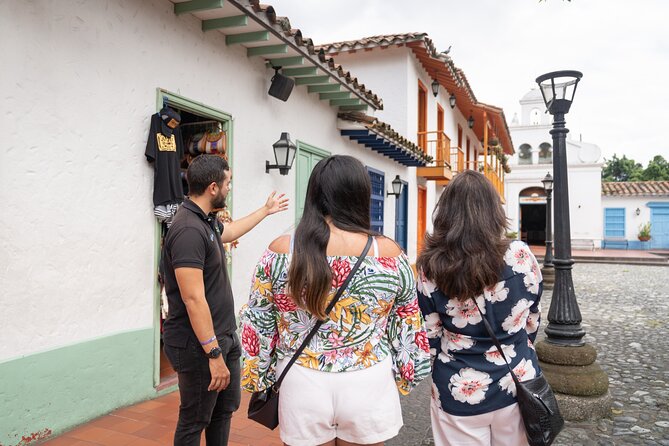
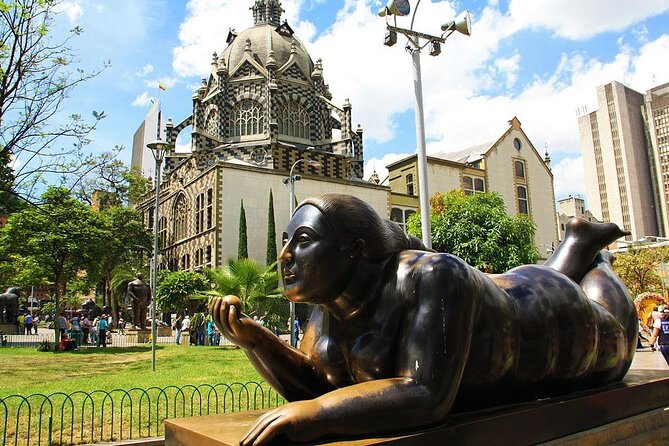
The tour next reaches the area around the Rafael Uribe Uribe Palace of Culture, with a panoramic look during the walk. From there, you continue to Plaza Botero, one of Medellín’s most recognizable public spaces.
Fernando Botero donated hundreds of works to Colombia, and many of the most visible pieces are concentrated around this square and the Antioquia Museum. The bronze figures are easy to recognize: broad bodies, rounded forms, and a playful sense of scale.
You have about 20 minutes here. That is enough to walk among the sculptures and take photographs, but it is not enough for a serious museum visit. The Antioquia Museum is nearby, yet the tour does not include time for a full exploration. If Botero is a major reason for your visit, return later on your own.
The quality of the explanation matters greatly at this stop. A guide who explains Botero’s importance, his donations, and the role of the square turns a quick photo stop into a cultural visit. Without that context, you may simply see a collection of large bronze figures and move on.
Stay with the group and keep track of the meeting point. One complaint involved confusion about where the guide would wait while the group looked around, including concern that visitors were directed toward a souvenir shop. The stated arrangement may allow some independent time, but the guide should remain easy to find. A bright flag, hat, or other clear marker would help.
Barefoot Park and a short sensory pause
Parque de los Pies Descalzos, or Barefoot Park, is a different kind of stop. It draws on Zen-inspired ideas and uses sand, water, stone, and other surfaces to create a sensory experience.
The tour gives you about 30 minutes for a panoramic visit around the main square. You can also see the Metropolitan Theater and the intelligent EPM building from the area. The park’s water feature allows visitors to rest their feet in a natural water jacuzzi, but the schedule may not leave much time for a full barefoot session.
This stop divides opinion because it is less immediately dramatic than the Metrocable or Botero Plaza. I would treat it as a short breather rather than a major attraction. If you want to walk through every feature or remove your shoes and spend time with the water, you may find the group schedule too fast.
A related issue is the lack of an early bathroom break. One account describes no bathroom access during roughly the first hour and difficulty stopping later. That may not happen every time, but plan ahead before departure.
Pueblito Paisa and the view that earns its place
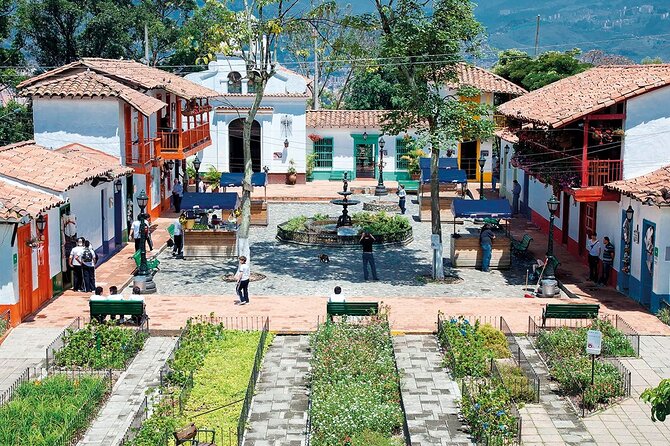
Pueblito Paisa is the final major stop and, for many people, the most satisfying one. The site sits on Nutibara Hill and offers a 360-degree view across Medellín.
The name refers to a recreated Antioquian village. Small buildings, a plaza, a church-style setting, restaurants, a souvenir shop, and local art give you a compact picture of traditional regional architecture. There is also a museum with a model of Medellín.
You have around 30 minutes, so you can usually take in the viewpoint, walk through the village, and buy a drink or ice cream. One person called the ice cream here a highlight, which makes sense because the stop is a welcome chance to purchase something after several hours without included food.
The hill also means stairs and uneven walking. The itinerary includes a number of stair climbs, and the pace may be hard for anyone with limited mobility. Most people can participate, but you should be comfortable walking between stops and climbing stairs. The tour does not present itself as a fully accessible experience.
The timing at Pueblito Paisa can make or break the day. If earlier traffic or bilingual explanations take too long, this final visit may feel rushed. Even so, the view gives you a clear payoff and helps connect the city center, El Poblado, and the surrounding hills.
Guides, languages, and the pace of the day
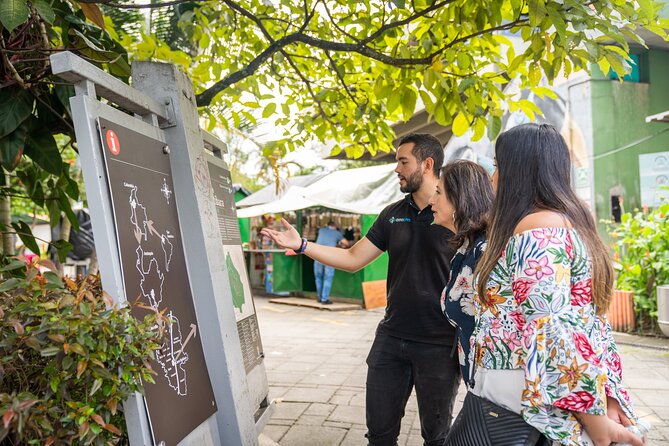
Guide quality appears to be one of the biggest variables. Daniel, Vanessa, Mateo, Nohemí, Juan, Alex, Miguel, Erickson, César, and others have received praise for warmth, clear explanations, humor, and care with the group.
Nohemí is often singled out for her friendly energy, while Juan has been praised for speaking Spanish and English in equal measure. Alex has also received credit for translating clearly for international visitors. Those details matter because this is a guide-led experience, not a self-guided bus route.
The tour is bilingual when needed. That is useful if you do not speak Spanish, but it can slow the schedule and reduce the amount of detail you receive in English. One person found the English explanation much shorter than the Spanish version, while another found the translation balanced and efficient.
Audio equipment is another point to watch. Some people have had trouble hearing the guide outside the vehicle, while one guide was described as speaking too loudly into the microphone. Your position in the group can affect how much you catch. Stay near the guide when walking and ask for repetition when needed.
Traffic is part of the calculation. Medellín’s central areas can take time to cross, and a three-hour itinerary can feel much shorter when roads are slow. The combination of bus, Metro, cable car, and walking gives the day variety, but it also means frequent transitions.
Who will get the most from this $26 outing?
I would recommend this tour to a first-time visitor who wants a quick framework for Medellín. It shows you several major areas, introduces the public transport system, and helps you decide where to return for a longer visit.
It is also a good choice if you are nervous about using the Metro or Metrocable alone. Tickets and transfers are handled as part of the outing, and the guide provides the basic context that can make independent rides feel easier later.
The tour suits active adults, couples, friends, and families who can manage stairs and a brisk schedule. The maximum group size of 30 keeps it from being enormous, but it is still a group experience with fixed departure times and shared explanations.
I would not choose it if you want long museum visits, food tastings, or detailed time at every attraction. It is also not ideal if you need regular bathroom stops, have difficulty with stairs, or prefer an English-only guide.
Book at least several days ahead if your dates are fixed. The experience is often reserved about 12 days in advance, which suggests that popular dates can fill before arrival.
What to bring and how to make the day smoother
Bring a small snack because food is not included. Carry some Colombian pesos for drinks, ice cream, souvenirs, or other purchases at Pueblito Paisa.
Wear shoes suited to walking and stairs. Keep your belongings secure on the Metro and in crowded public areas, and avoid placing your phone or wallet in an open pocket.
Arrive at La 9 Mall Gastroturístico in El Poblado with enough time to find the meeting area. Since the same place is used for the return, the beginning and end are easy to manage.
The operator includes private transportation, coffee or tea, Metro and Metrocable tickets, and a medical assistance card. Cancellation is free when made at least 24 hours before the start time. Changes or cancellations inside that window are not refunded.
Should you book the Medellín Metro and Metrocable tour?
Book it if you want a reasonably priced first look at Medellín and value seeing the city through its own transport system. The Metrocable, Botero Plaza, and Pueblito Paisa provide the strongest moments, while the Metro ride gives the day a useful local character.
Go in expecting an overview, not a detailed cultural seminar. The stops are short, bilingual commentary can vary, and traffic may reduce free time. If you accept that tradeoff, $26 is a fair price for the number of areas and transport modes included.
I would especially choose it on my first or second day in Medellín, then return independently to Botero Plaza, the Antioquia Museum, or Pueblito Paisa if one of those places catches your interest. For a broader orientation with solid guides such as Juan, Alex, Mateo, or Nohemí, it is a sensible starting point.
FAQ
Where does the Medellín tour start and finish?
It starts and ends at La 9 Mall Gastroturístico, Cl. 9 #42-27, in El Poblado, Medellín.
How long does the tour last?
The experience lasts approximately three to four hours.
What transportation is included?
Private transportation, the Medellín Metro, and the Line H Metrocable are included. The tour information also refers to a tram ride, while some descriptions mention additional city transfers by taxi.
Is coffee or tea included?
Yes. Coffee and/or tea are included at the La Alpujarra portion of the tour.
Is food included?
No. Snacks and other food are not included, so bringing a snack or carrying cash for purchases is practical.
How many people can join the tour?
The maximum group size is 30 people.
Can I cancel for a full refund?
Yes, if you cancel at least 24 hours before the experience start time. Cancellations or changes made less than 24 hours before the start are not refunded.
Just added in Medellin
- Tour Peñol-Guatape privado: con desayuno, almuerzo y bote★ 5.0 · 1 review
- Silletero Tour – From Medellín★ 5.0 · 1 review
- Tour Medellín: Commune13 and Pablo Escobar + Rooftop★ 5.0 · 2 reviews
- Tour Medellín: Pablo Escobar and Commune 13★ 5.0 · 3 reviews
- Medellin: Tour Pablo Escobar Privado Con Guia Local★ 5.0 · 1 review
- Tour Guatapé – Piedra del Peñol with departure from Medellín★ 5.0 · 24 reviews
- Tour Guatapé: luxury yacht to the stone of Peñol.★ 5.0 · 2 reviews
- Tour Guatapé con visita a Granja de las Llamas y las Alpacas★ 3.5 · 11 reviews
Cable Car Rides, compared.

Comuna 13 Graffiti Tour, Cable Car & Street Food
Read our review →
Bogotá´s Barrios: El Paraíso Favela Tour with Cable Car
Read our review →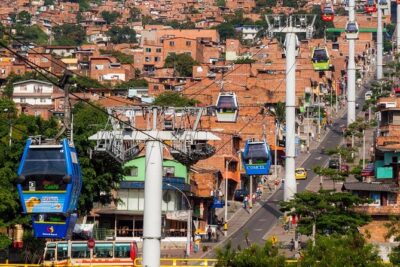
Private City Tour with Metrocable and Comuna 13
Read our review →
Medellín Coffee Farm Tour with Trolley and Cable Car Ride
Read our review →
El Paraíso Favela Tour with Cable Car-CIUDAD BOLIVAR
Read our review →Browse the lists this tour appears in