
REVIEW · COLOMBIAN COFFEE TOURS
Medellín Coffee Farm Tour with Trolley and Cable Car Ride
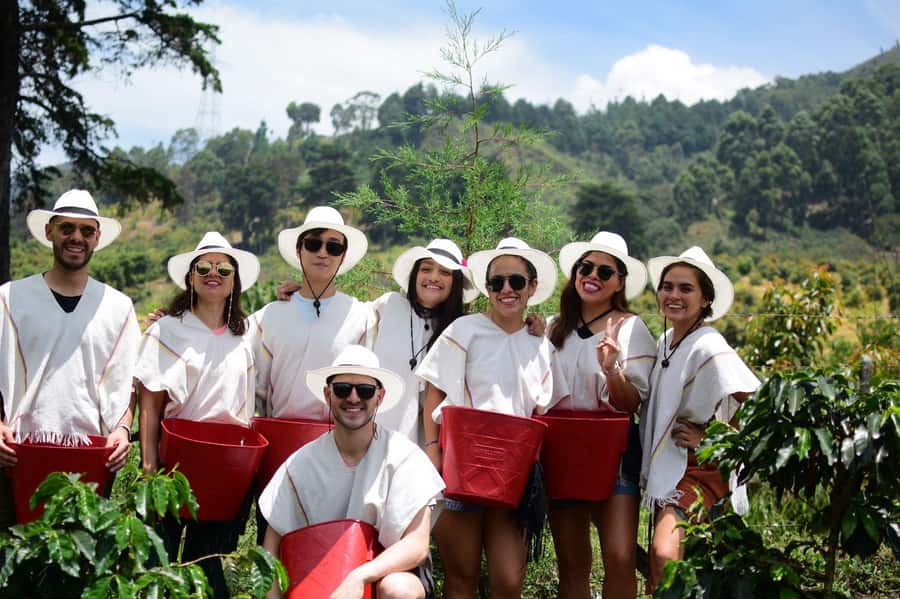
Coffee grows closer than you think. This half-day outing takes you from central Medellín to Barrio La Sierra, where you ride the electric trolley and cable car, walk through Comuna 8, and visit a working urban coffee farm. I especially like the hands-on harvest, since you pick the coffee berries yourself instead of only watching a demonstration. I also like the warm welcome at Casa Finca de La Sierra and the chance to hear how the neighborhood has changed. The main drawback is simple: this is a steep walking tour, not an easy sightseeing ride.
The $56 price feels fair if you value local contact, transport, guiding, several tastings, and a full coffee lesson in one package. Guides such as Carolina, Melisa, Valentina, David, Arturo, and Camilo have been praised for clear explanations and smooth English-Spanish translation. Bring closed shoes, expect hills and steps, and pack a small snack because food for purchase is not available along the route.
In This Review
- Key points to know before you book
- Starting beneath San Antonio station
- The electric trolley gives you a useful first look
- The cable car opens the city above the rooftops
- Walking through Barrio La Sierra and Comuna 8
- Casa Finca de La Sierra feels personal
- Picking coffee berries makes the lesson stick
- Coffee tasting, local snacks, and the final cup
- What $56 buys you in practical terms
- Who will enjoy this Medellín coffee experience?
- Small details that make the day easier
- Should you book the Barrio La Sierra coffee tour?
- FAQ
- Where does the Medellín coffee farm tour begin?
- How long does the tour last?
- Does the tour include public transportation?
- Where does the coffee farm visit take place?
- Can I pick coffee berries during the tour?
- Is food included?
- Is the tour suitable for people with mobility impairments?
- What languages are available?
Key points to know before you book
- Coffee is grown inside Medellín: You do not leave the city for a distant plantation. The farm sits in Barrio La Sierra, in Comuna 8.
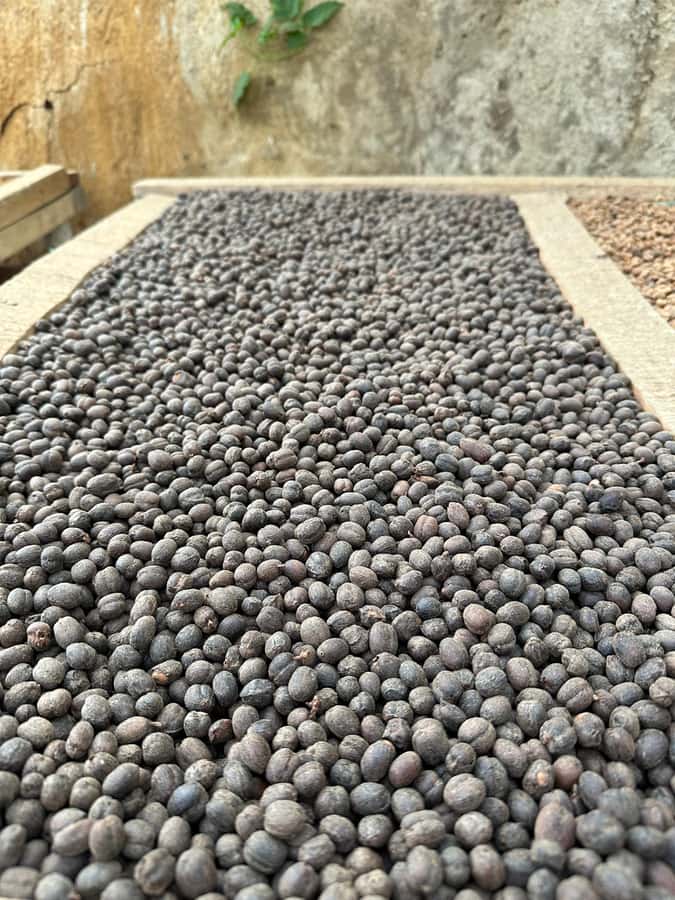
- You pick the berries yourself: The visit includes harvesting coffee cherries and following them through processing, roasting, grinding, and brewing.
- The journey is part of the tour: A 30-minute electric trolley ride and a 12-minute cable car trip show you a less familiar side of Medellín.
- The neighborhood story matters: The walk explains Comuna 8’s difficult past and its work toward a more hopeful future.
- This is a physical outing: Hills, stairs, uneven walking, and a route that can total roughly 500 steps make it unsuitable for people with mobility impairments.
- Local spending has a clear purpose: The tour supports a family-run coffee project and community efforts connected with Casa Finca de La Sierra.
Starting beneath San Antonio station
Your meeting point is in front of the main entrance to the San Antonio Tranvia station, at street level beneath the San Antonio metro station. Look for the sign identifying the San Antonio Tranvia station. This detail matters because San Antonio has several entrances and levels, and meeting at the wrong one could leave you wandering around a busy transport hub.
The tour lasts about 270 minutes, or four and a half hours. Starting times vary, so you need to check availability when booking. Your guide speaks English or Spanish, and the guide is more than a person who keeps the group moving. The best part of the guiding is the bridge between languages and communities. Guides including Arturo, David, Carolina, Melisa, Valentina, Camilo, Felipe, and Christian have been praised for explaining both the coffee work and the neighborhood story.
I would arrive early. You will need to find the street-level tram entrance, gather with the group, and get settled before the first ride. The group size is often small, which helps when you want to ask questions or need a moment on the hills.
More cable car rides in Medellin:
- Medellin: Comuna 13 Graffiti Tour, Cable Car & Street Food
★ 4.8 · 9,046 reviews - Medellín Tour: Themed Vehicles, Tram Ride and Metrocable
★ 5.0 · 1,468 reviews - Medellín: Comuna 13 District Tour with Cable Car Ride
★ 4.8 · 1,467 reviews
The electric trolley gives you a useful first look
The electric trolley ride takes about 30 minutes. It is included in the tour price, so you do not need to arrange this part on your own. More important, the ride is not just a transfer from one attraction to another. It gives you time to see Medellín as a working city before the tour turns toward the hillside community.
I like this gradual change of pace. You begin at a central station, then move through the city by public transport, following a route local residents use. It makes the outing feel connected to daily Medellín rather than packaged as a separate coffee attraction.
Do not expect a private vehicle or a quiet drive straight to a country farm. The trolley is public transport, and the point is to use the city’s own system. If you prefer door-to-door comfort, this will feel less convenient. If you want to understand how Medellín links its central districts with hillside communities, it adds real value.
The cable car opens the city above the rooftops
The cable car ride lasts about 12 minutes and is one of the visual highlights. As the cabins climb, you get broad views across Medellín and the surrounding hills. Several guides also point out particularly good city viewpoints along the way or during the walk.
The cable car helps explain Medellín’s geography. The city stretches through a valley, while many communities rise sharply up the slopes. From above, you can see why public transport has such a practical role here. It is also a fine reminder that the city is not only its central streets, museums, and restaurant districts.
The ride may be a highlight for you even if coffee is not your main interest. Still, views depend on weather and visibility. Cloud or rain can soften the panorama, and the cable car is shared public transport rather than a private scenic ride.
Walking through Barrio La Sierra and Comuna 8
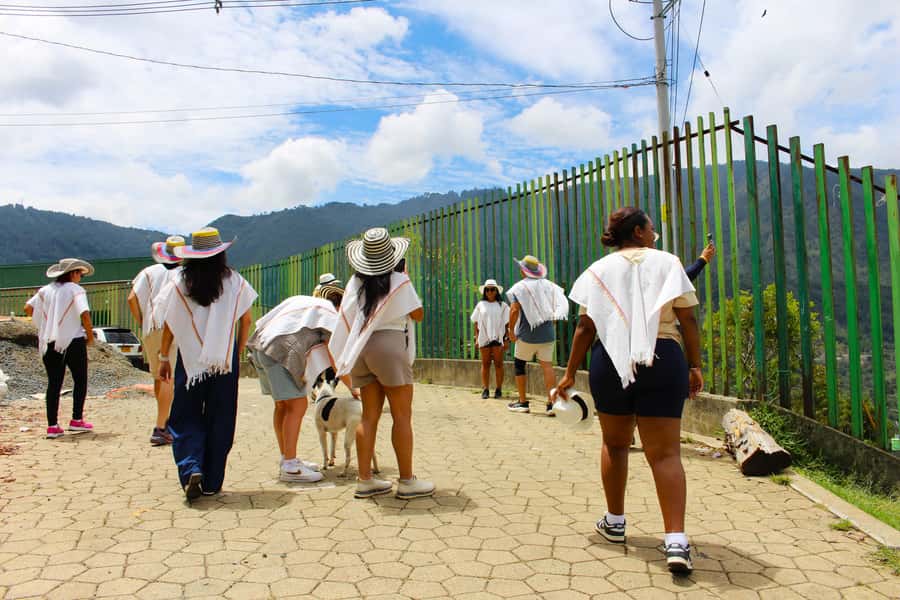
Once you reach Barrio La Sierra, the experience changes from transport to walking tour. You move through the community with a local guide, learning about Comuna 8 and the changes that have taken place there. The story is not presented as a simple tourist backdrop. It explains hardship, recovery, local work, and the role of families building new opportunities.
That context gives the coffee farm its meaning. You are not visiting an isolated plantation that could be anywhere in Colombia. You are seeing coffee production as part of a neighborhood project in Medellín itself.
The walk also requires honesty about the physical demands. You will encounter uphill sections, stairs, and uneven surfaces. One description of the route puts the total at about 500 stairs, so I would not book this if steep walking is a serious problem. Even fit older participants have managed the route, but that does not make it easy for everybody.
Wear closed shoes with a good grip. Long pants are not required, but if you wear shorts, bring insect repellent for the farm. Rain is possible, and the route can remain demanding even when the weather is pleasant. Take your time rather than trying to keep a fast pace.
More coffee tours in Medellin:
- Half Day Bike Tour in Medellin – Local snack, Coffee or Beer
★ 5.0 · 2,509 reviews - Half-Day Coffee Tour: From the Seed to the Cup, Farm & roastery
★ 5.0 · 1,418 reviews - Medellin: Coffee Tour with Transport, Snacks and Tastings
★ 4.7 · 1,357 reviews - Electric Bike City Tour Medellin With Colombian Coffee and Snack
★ 5.0 · 1,275 reviews
Casa Finca de La Sierra feels personal
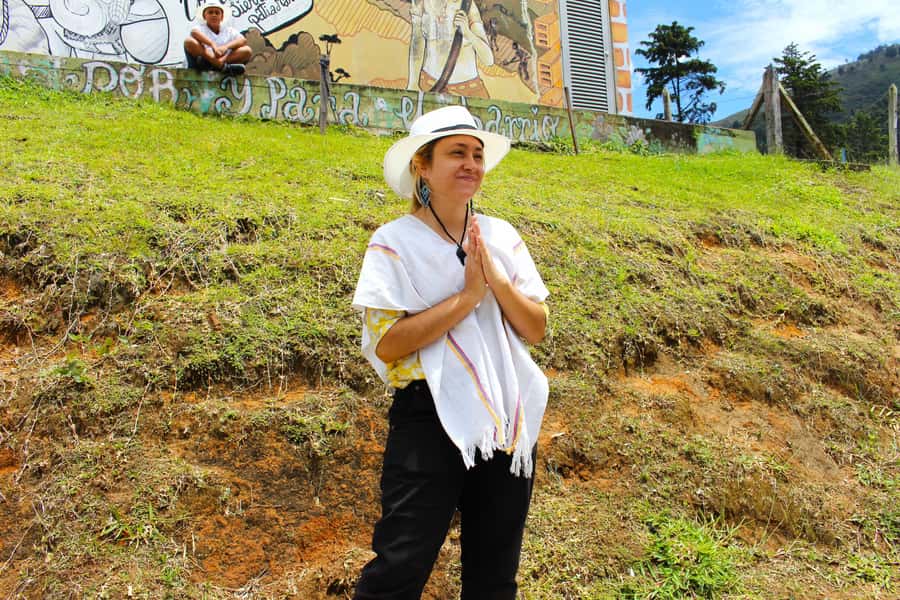
The farm visit takes place at Casa Finca de La Sierra, which also includes a museum. A local family welcomes the group and explains how the coffee operation began and how it fits into the community. The family’s hospitality is a major part of the outing. You are not simply shown a row of plants and then sent away.
The farm work is presented as a complete chain. You see the coffee plants, harvest the ripe berries, and learn what happens afterward. Depending on the stage being demonstrated, the process can include cleaning, fermenting, drying, roasting, grinding, and brewing. You gain a much clearer sense of the labor between a red coffee cherry and the drink in your cup.
I find the harvesting especially useful because it corrects the usual coffee-tour shortcut. Many tastings focus on aroma, acidity, and flavor notes but skip the work in the field. Here, you handle the fruit first. That makes the later cup feel earned.
The museum adds another layer, though the available information does not specify its size or exact exhibits. Think of it as part of the family and community story rather than a large formal museum visit. The farm is the main event.
Picking coffee berries makes the lesson stick
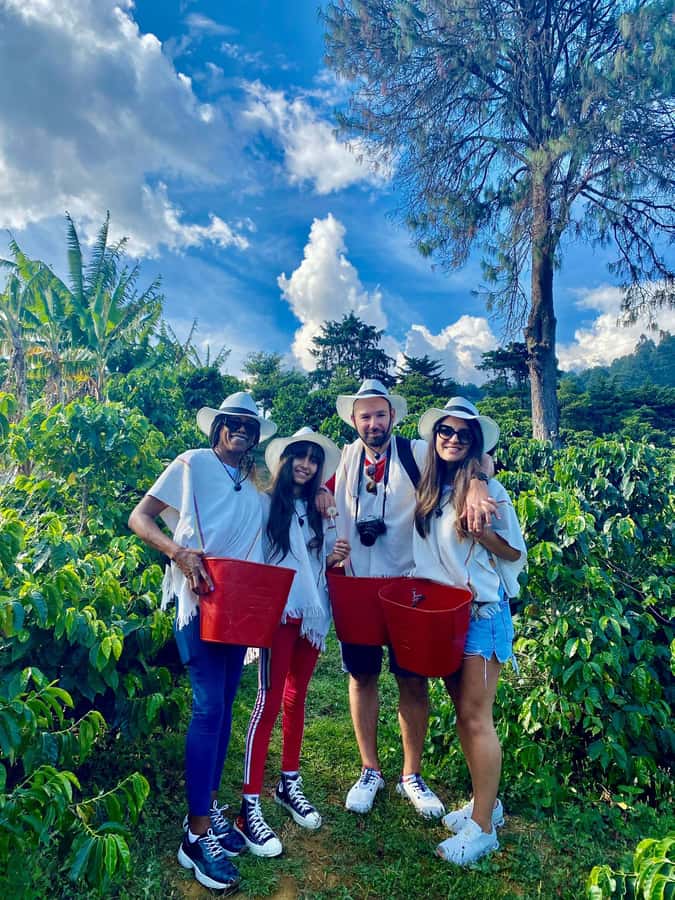
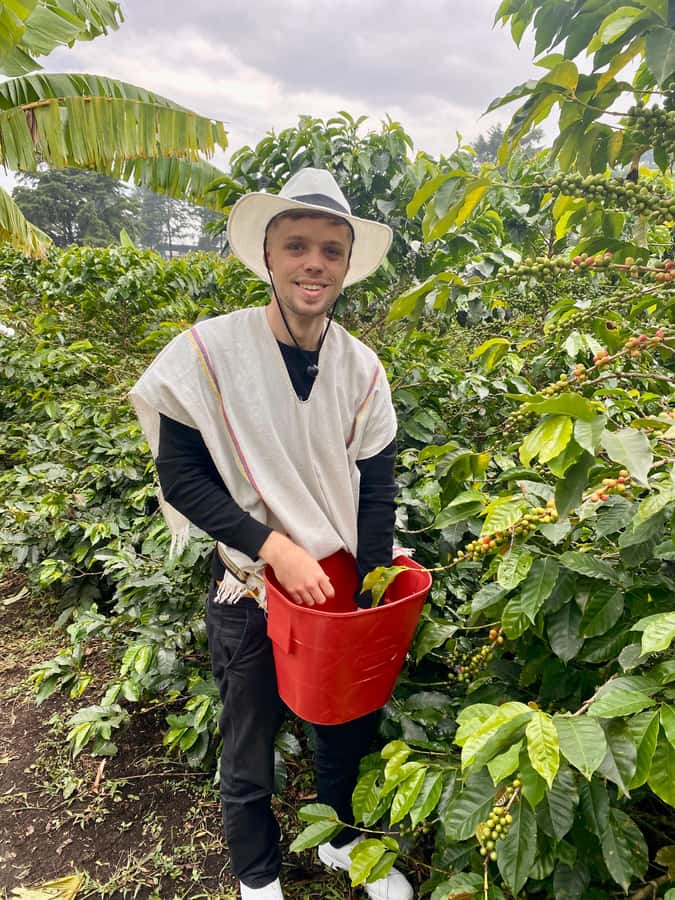
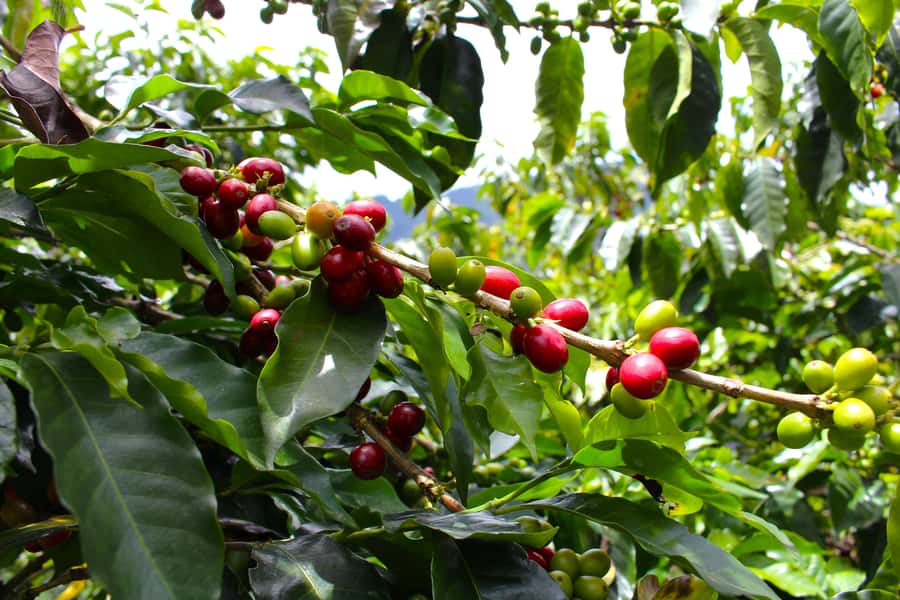
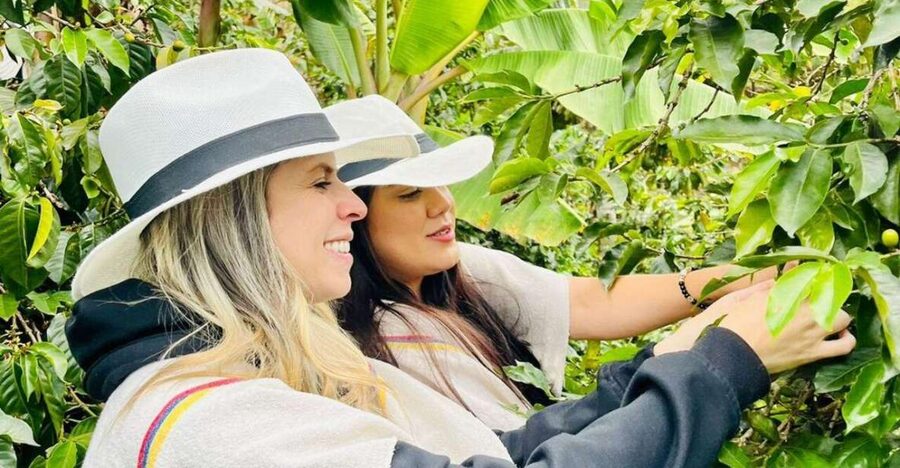
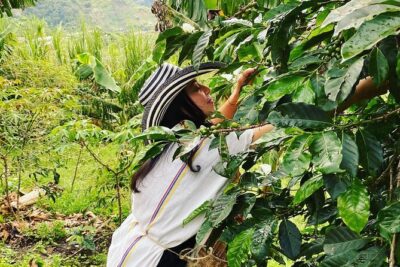
At the farm, you harvest coffee berries by hand. This is a small task for a visitor, but it helps you understand how much careful work goes into a finished product. You can walk among the plants, pick the fruit, and then follow the next stages with the family’s guidance.
The tour does not stop at picking. The goal is to show the process from seed to cup, including the changes that make the fruit suitable for brewing. Several parts of the work are handmade, and that is where the tour earns its place beside more traditional coffee excursions outside Medellín.
Children from the family or community may also take part in teaching and helping with the experience. The information provided describes this as a way to give younger people opportunities and help them learn skills, including English. That makes your visit more than a tasting. It is also a modest way to support a local project.
Keep your expectations grounded. This is an urban farm experience, not a huge commercial estate with acres of coffee plants. Its value comes from access, personal contact, and the way agriculture connects with the neighborhood.
Coffee tasting, local snacks, and the final cup
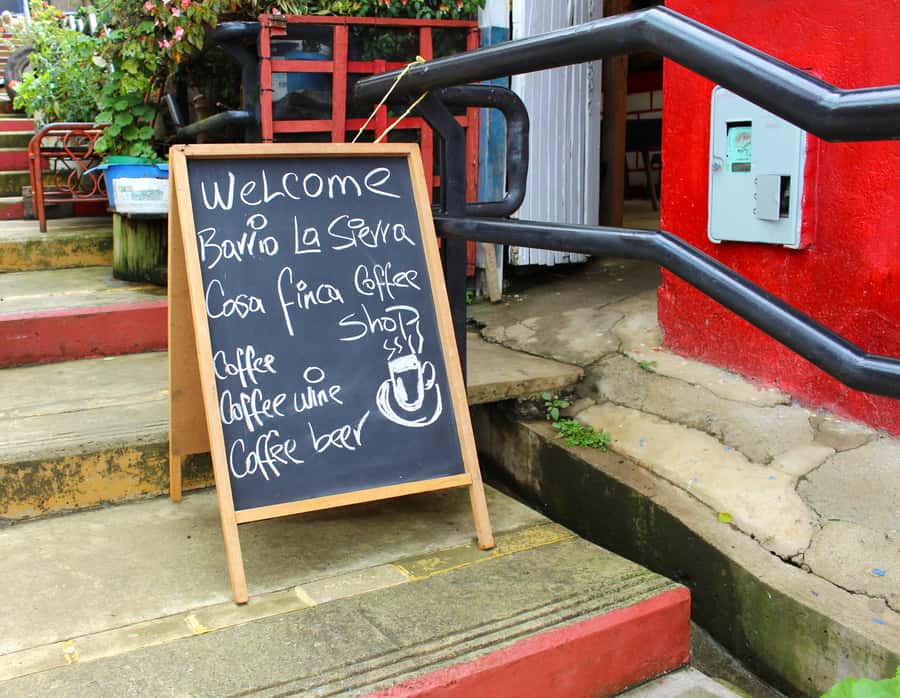
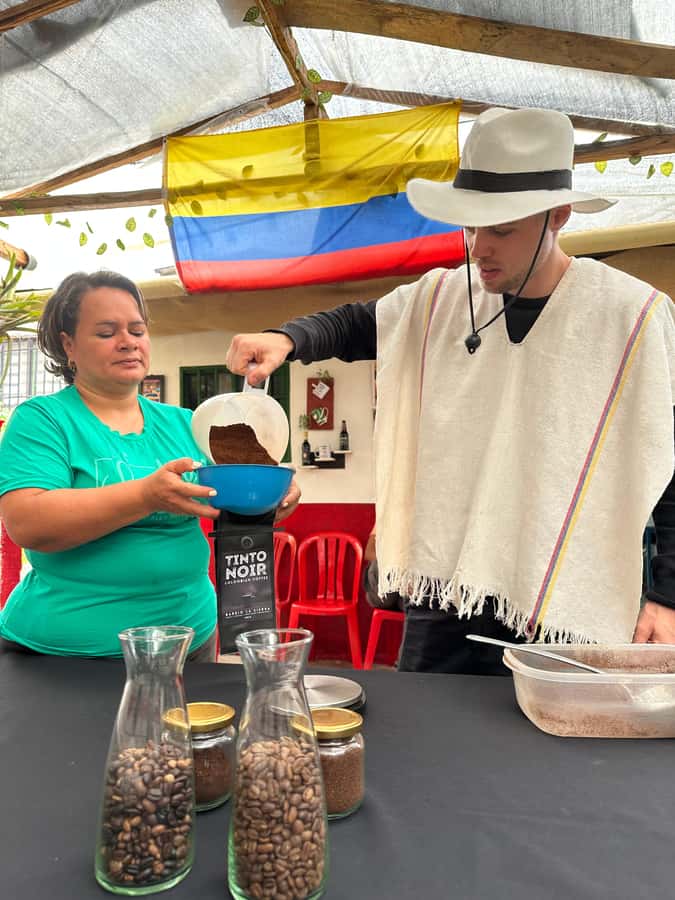
You will drink plenty of coffee during the visit. The tour includes welcome refreshments, coffee tasting, and local snacks. The coffee has received particularly strong praise, and Tinto Noir is identified as the farm’s local coffee.
The most memorable cup may be the one made after you have seen the production steps. You might even taste coffee made from the harvest you helped collect, depending on how the farm presents the process that day. The available details support the idea of drinking coffee from the local operation, but do not promise that every berry picked by your group reaches the same cup.
A pastry or snack may be served, but do not treat this as lunch. Food for purchase is not available along the route, and one useful warning is to eat beforehand or bring something small. Coffee is generous; a full meal is not included.
One possible improvement would be a side-by-side tasting of different coffees. The experience focuses on learning the process and tasting the farm’s coffee, rather than comparing several origins or roast styles. If you are a serious coffee hobbyist, you may want more technical tasting detail. If you simply want a better understanding of your morning drink, the existing format works well.
Coffee bags are not included in the price, but you may be able to buy coffee at the farm. Bring extra Colombian pesos or confirm payment options if taking home a bag matters to you. There is no pressure to make an additional purchase, which keeps the experience comfortable.
What $56 buys you in practical terms
At $56 per person, this tour is not the cheapest way to drink coffee in Medellín. You are paying for a four-and-a-half-hour experience that combines public transport, a community walk, a guide, a museum and farm visit, hands-on harvesting, refreshments, and several coffee tastings.
The value is strongest if you would otherwise book separate activities. The trolley and cable car provide transport and city views, while the guide adds context that would be difficult to gather alone. The family visit also gives you direct access to a working coffee project in a part of Medellín many short city tours skip.
I would consider the price less attractive if you want only a quick plantation visit or a formal tasting led by a coffee expert. This tour is broader. It mixes social history, public transport, walking, agriculture, translation, and food and drink. Its strength is the mix, not narrow technical specialization.
The small-group format can make the cost feel more worthwhile. Guides can answer individual questions, keep an eye on the pace, and help translate conversations with the farming family. The exact group size is not fixed in the supplied details, but several outings have been described as small and personal.
Who will enjoy this Medellín coffee experience?
I would recommend it most to people who want to see a side of Medellín beyond the usual central attractions. It suits curious coffee drinkers, culture-focused visitors, and anyone who enjoys learning through conversation and participation.
You do not need to be a coffee expert. One strong feature of the experience is that even a person who rarely drinks coffee can appreciate the neighborhood, the views, the family welcome, and the work behind the final cup.
It is also a good choice if you care where your tourism money goes. The project supports a local family and community efforts in Comuna 8. The tour gives you a chance to meet people involved in the work rather than only photographing a scenic farm.
I would be cautious if you have limited leg mobility, dislike stairs, or need a meal during a four-and-a-half-hour outing. The route is active and includes hills. You should also be comfortable using public transport and walking through a local residential community with a guide.
Small details that make the day easier
Book with the cancellation terms in mind: you can cancel up to 24 hours before the start for a full refund. You can also reserve now and pay later, which helps if your Medellín schedule is still moving around.
You must provide your full name and passport number when booking, but do not bring your passport on the tour. Carry only what you need for the walk, along with water, sun protection, and repellent for the farm.
The tour operates in English and Spanish. If your Spanish is limited, a bilingual guide such as Melisa, Arturo, Annie, Christian, or David can make the family conversation much easier to follow. Guide quality can vary by individual, but the repeated praise for clear translation and friendly explanations is a strong sign that communication is taken seriously.
Allow extra energy for the return journey. The formal route finishes back at the San Antonio Tranvia meeting point, but you will have spent hours walking uphill and taking in a lot of information. It is not a good plan to schedule a demanding evening activity immediately afterward.
Should you book the Barrio La Sierra coffee tour?
Book this tour if you want coffee with a human story attached. The cable car views are excellent, the berry picking is genuinely hands-on, and the visit to Casa Finca de La Sierra gives you a direct look at a family-run project inside Medellín. The neighborhood story also keeps the outing from feeling like a standard tasting with scenery added on.
Skip it if you need a gentle, flat activity, a full meal, or a technical coffee seminar with several formal comparisons. For everyone else, $56 buys a rare combination of city transport, local contact, farm work, and context. Wear sturdy shoes, eat first, and save room for a lot of coffee.
FAQ
Where does the Medellín coffee farm tour begin?
The guide meets you in front of the main entrance to the San Antonio Tranvia station, at street level underneath the San Antonio metro station. Look for the San Antonio Tranvia station sign.
How long does the tour last?
The experience lasts 270 minutes, or about four and a half hours. Starting times depend on availability.
Does the tour include public transportation?
Yes. The tour includes a 30-minute electric trolley ride and a 12-minute cable car ride. The route returns to the San Antonio Tranvia meeting point.
Where does the coffee farm visit take place?
The farm visit takes place in Barrio La Sierra, within Medellín’s Comuna 8. You also visit Casa Finca de La Sierra and its museum.
Can I pick coffee berries during the tour?
Yes. You walk through the farm and harvest coffee berries by hand before learning how the coffee is processed from seed to cup.
Is food included?
The experience includes welcome refreshments, local snacks, and coffee tastings. Food for purchase is not available along the route, and coffee bags are not included.
Is the tour suitable for people with mobility impairments?
No. The tour is not suitable for people with mobility impairments because it includes uphill walking, stairs, and uneven sections.
What languages are available?
The tour is offered with a live guide in English or Spanish. You must provide your full name and passport number when booking, but you should not bring your passport.
Just added in Medellin
- Tour Peñol-Guatape privado: con desayuno, almuerzo y bote★ 5.0 · 1 review
- Silletero Tour – From Medellín★ 5.0 · 1 review
- Tour Medellín: Commune13 and Pablo Escobar + Rooftop★ 5.0 · 2 reviews
- Tour Medellín: Pablo Escobar and Commune 13★ 5.0 · 3 reviews
- Medellin: Tour Pablo Escobar Privado Con Guia Local★ 5.0 · 1 review
- Tour Guatapé – Piedra del Peñol with departure from Medellín★ 5.0 · 24 reviews
- Tour Guatapé: luxury yacht to the stone of Peñol.★ 5.0 · 2 reviews
- Tour Guatapé con visita a Granja de las Llamas y las Alpacas★ 3.5 · 11 reviews
Colombian Coffee Tours, compared.
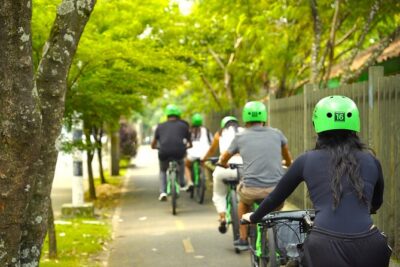
Half Day Bike Tour in Medellin – Local snack, Coffee or Beer
Read our review →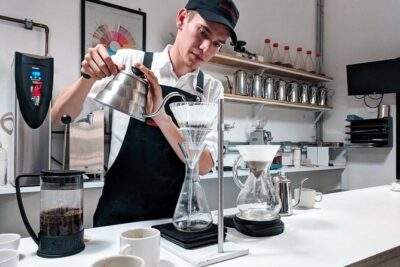
Half-Day Coffee Tour: From the Seed to the Cup, Farm & roastery
Read our review →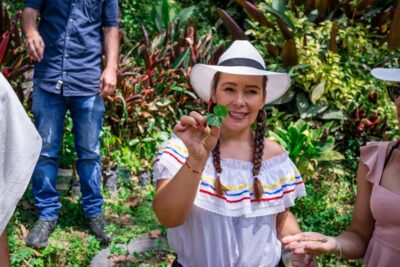
Coffee Tour with Transport, Snacks and Tastings
Read our review →
Electric Bike City Tour Medellin With Colombian Coffee and Snack
Read our review →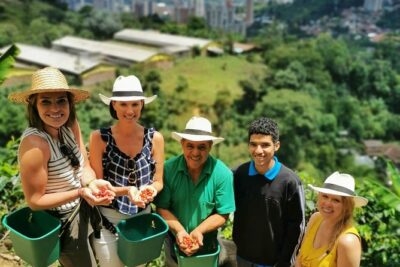
Private Coffee Farm Tour in Medellin: Real Authentic Experience
Read our review →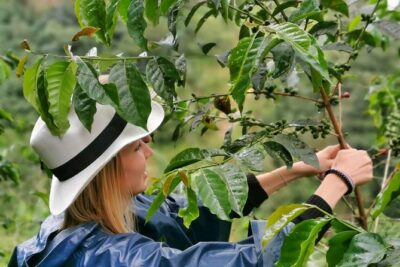
Guatape & Coffee Farm & El Peñol Rock & Quaint Town: Best Combo
Read our review →
Coffee tour in Medellín with tastings and transportation
Read our review →Browse the lists this tour appears in