
REVIEW · EMERALD TOURS
Hands‑On Colombian Emerald Polishing Experience
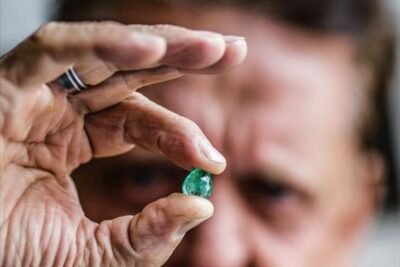
Turn rough stone into a keepsake. I like the hands-on polishing and the chance to tour a serious emerald museum afterward. The price also includes one finished stone, coffee or tea, water, tools, and a certificate. The catch is simple: you polish three emeralds but keep only one unless you buy the other two.
This Cartagena activity takes about 90 minutes at Caribe Jewelry Museum and Factory. I would choose it over a quick jewelry-store stop because you actually shape and polish the stone yourself. English guidance is available, and pickup can be arranged, though the exact pickup point is set after booking.
In This Review
- Key points before you book
- Why polishing an emerald makes a better souvenir
- Inside Caribe Jewelry Museum and Factory
- What the 90-minute visit feels like
- The guides and the language question
- The museum deserves more than a quick look
- Price, included value, and the sales setting
- Pickup, group size, and practical planning
- Who will enjoy this most
- My verdict on the emerald class
- FAQ
- How long does the Colombian emerald polishing experience last?
- Where does the activity begin and end?
- Is hotel pickup available?
- How many emeralds do I polish and keep?
- Is the activity offered in English?
- What is included in the $90 price?
Key points before you book
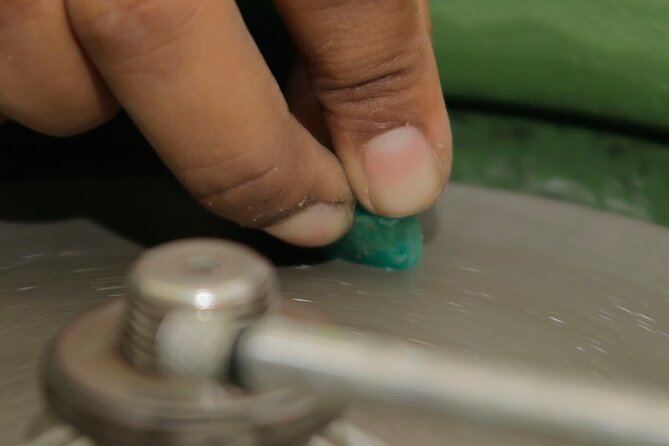
- You polish three raw emeralds: An expert guides you through shaping and polishing three stones into cabochons, then you select one to keep.
- The museum is a major part of the visit: You see Colombia’s largest unearthed emerald along with an extensive display of emeralds and minerals.
- Small class sizes matter: The activity is advertised for up to 12 people, while the additional booking information gives a maximum of four. Confirm the expected group size if that matters to you.
- Your $90 includes useful extras: Basic tools, drinks, a certificate of attendance, a host, and one polished emerald are part of the price.
- Pickup is available: Hotel pickup and return can be arranged, but the exact location is confirmed through communication after booking.
- Shopping follows the craft lesson: You can purchase the two emeralds you do not keep, as well as finished jewelry, but buying is not required.
Why polishing an emerald makes a better souvenir
A polished stone from a shop can be pretty. A stone you helped shape has a story.
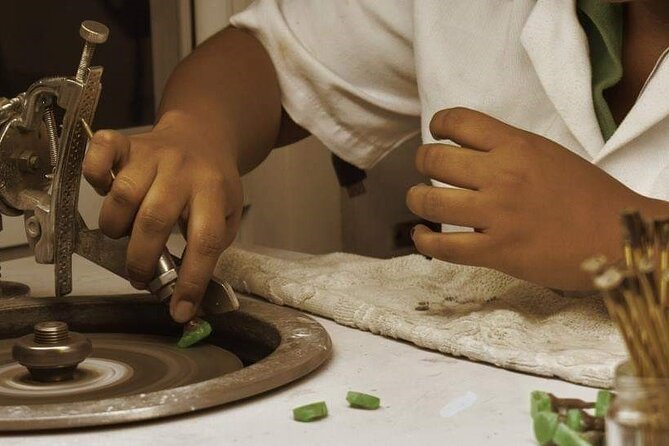
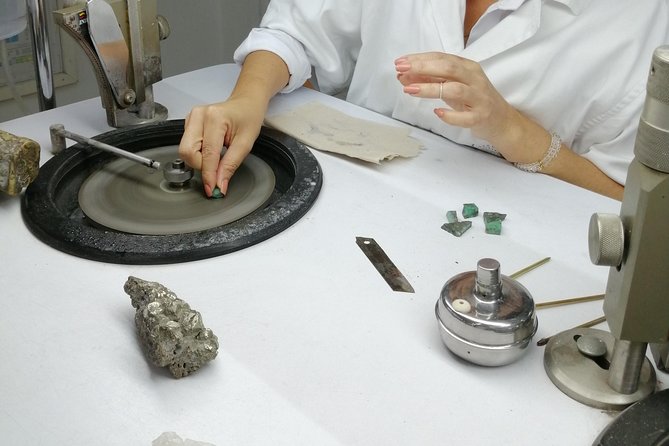
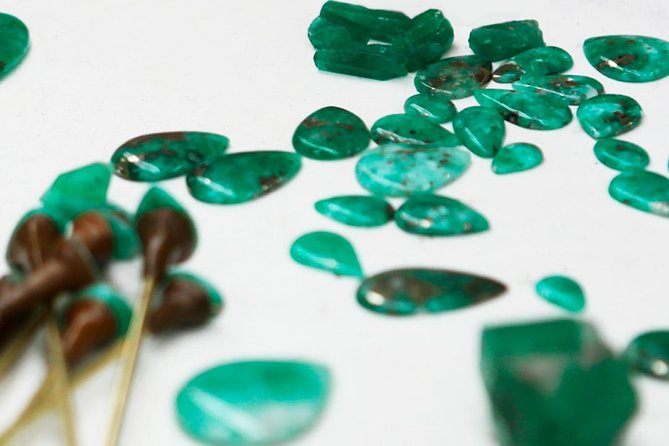
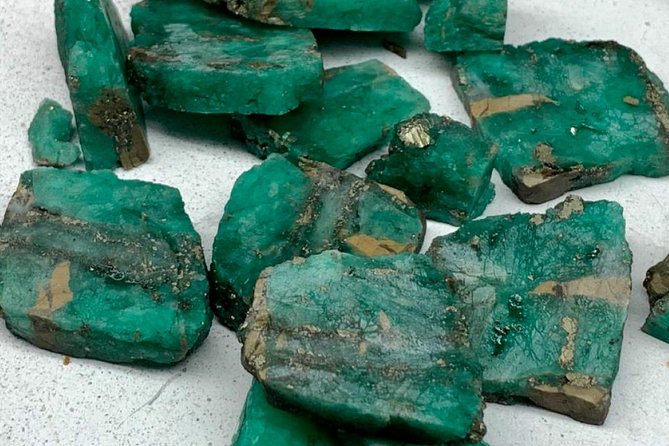
This class gives you a direct role in the process. Under the guidance of a gemologist or trained emerald specialist, you work on three raw emeralds and turn them into polished cabochons. A cabochon is a stone with a smooth, rounded, polished surface rather than the many sharp facets used on a traditional brilliant-cut diamond.
That distinction matters. You are not simply choosing a finished trinket from a display case. You are learning how the stone changes as its surface is shaped and polished. The work is practical and tactile, with basic polishing tools supplied for the class.
I especially like the three-stone format. You get more than one chance to learn. The first stone helps you understand the process, the next lets you correct your technique, and the third gives you another opportunity to make a choice about shape and finish. You then select one of the three as your included keepsake.
The other two are not included in the $90 price. You may be able to purchase them afterward, as one participant did, but treat that as an optional extra rather than part of the package. This is useful to know before you arrive, especially if you are watching your budget.
More emerald tours:
- Emerald Museum & Jewelry Workshop: Behind the Scenes Tour
★ 5.0 · 291 reviews - Emerald Jewelry Making Experience
★ 4.5 · 66 reviews - Emerald Lecture – Become an expert
★ 5.0 · 17 reviews
Inside Caribe Jewelry Museum and Factory
The activity takes place at Caribe Jewelry Museum and Factory on Calle 5 in Cartagena. The setting combines a working jewelry operation with an exhibition space, so the visit has two distinct sides: making a stone and learning why Colombian emeralds matter.
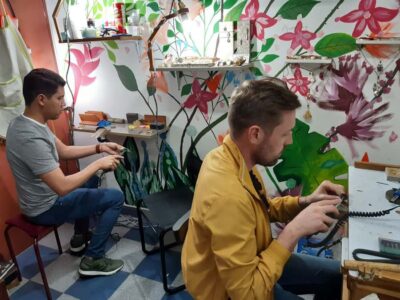
The polishing lesson comes first in the stated itinerary. You receive the tools and instruction, then work on the three emeralds with assistance from the host. The exact balance between demonstration and hands-on time can vary, but the activity is built around your participation rather than a simple talk.
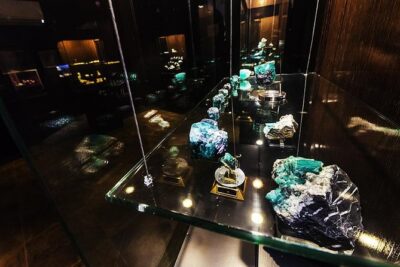
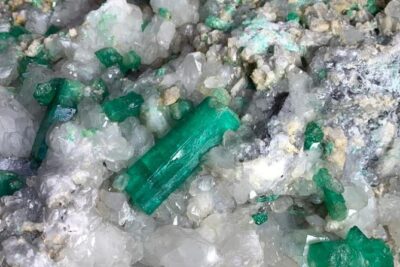
The museum visit adds useful context. You can see examples of emeralds and minerals, including Colombia’s largest unearthed emerald. The display has been praised for its layout and descriptions, and one particularly enthusiastic visitor compared the collection favorably with major university and natural-history museum displays in the United States.
That is a strong claim, but it points to the museum’s value. This is not just a small room attached to a shop with a few stones in glass cases. The collection is presented as a proper exhibition, with information about emeralds and other minerals. If you are interested in geology, jewelry, mining, or the difference between stone qualities, allow yourself time to look closely.
The museum also helps explain what you are doing at the polishing bench. A raw emerald can look modest before its surface is worked. The exhibition gives you a better sense of why color, clarity, shape, and finish affect how a stone is judged.
What the 90-minute visit feels like
The listed duration is about one hour and 30 minutes. That is long enough for a focused workshop and museum visit, but it is not a full-day look at Colombia’s mining regions or jewelry trade.
You begin at the museum and factory, unless you arrange pickup. The exact pickup point is handled after reservation, and the activity finishes back at the meeting point. That return arrangement is handy if you are staying at a hotel and do not want to sort out a taxi for a short visit.
At the work area, the host introduces the polishing process and supplies basic tools. You work on three emeralds, shaping and polishing them into cabochons. The practical lesson is the heart of the outing, so do not expect to sit back while someone else does the work.
After the class, you tour the emerald and mineral museum with a guide. The museum portion can be especially valuable if you know little about emeralds. It gives you a visual guide to the material before you decide if you want to look at jewelry in the shop.
The entire visit is short enough to fit into a Cartagena sightseeing day. If you are adding it to a city tour, pay attention to the timing. A quick walk-through of the museum alone has been described as too brief for much explanation. The full polishing class should give you more substance, but the schedule still leaves limited room for a long, leisurely museum study.
The guides and the language question
English guidance is offered, which makes this a practical choice for many international visitors. A Spanish-speaking guide may also be present, but the confirmed language for the activity is English.
Several staff members have received specific praise for friendly explanations and personal service. Andres Julio and Nayibe have helped people with both the polishing activity and jewelry selection. Michelle has guided museum visits and answered questions about emerald differences and quality. Melbis has also been credited with making the subject approachable, while Angelica, also called Angie, has been praised for careful customer service.
Those names are useful if you return to the shop or need help during the visit. Still, I would not book solely around one particular employee. Staff schedules can change. The practical point is that the company has several people who can explain the stones and guide you through the purchase side without forcing you to buy.
The English support is important if your Spanish is limited. One participant with modest Spanish skills found the English-speaking guide easy to follow during both the polishing class and museum tour. That does not mean every conversation will be equally detailed, so ask questions as you go and request clarification when a gemological term is unfamiliar.
More things to do in Cartagena:
- Cartagena Island Hopping: 5-Stop Rosario Islands Tour with Lunch
★ 4.5 · 4,903 reviews - Cartagena: Historic Center and Getsemaní Shared Walking Tour
★ 4.9 · 2,716 reviews - Cartagena: Rosario Islands Catamaran with Lunch and Snorkel
★ 4.5 · 2,479 reviews - Full-Day Rosario Islands Including Barú, Bocachica & Playa Blanca
★ 4.0 · 1,729 reviews
The museum deserves more than a quick look
The museum is the part most likely to surprise you. The class sounds like the main attraction, but the exhibition gives the visit its broader sense of place.
Colombia is closely linked with emeralds, and this display lets you see the stone in several forms. You encounter raw material, polished pieces, and other minerals, with explanations that help connect extraction, polishing, and jewelry making.
The largest unearthed emerald is an obvious highlight. It gives you a scale reference that a small finished ring cannot. Even if you are not a rock enthusiast, seeing an extraordinary specimen can make the rest of the presentation easier to understand.
The museum is also a good answer to a common problem with jewelry tourism. A shop visit can leave you focused only on price and appearance. Here, you first learn something about the material. That makes it easier to ask sensible questions about quality before you look at rings, pendants, or loose stones.
I would give the museum a proper portion of your 90 minutes rather than rushing straight to the sales area. The exhibition has been described as well laid out, clearly labeled, and impressive enough to satisfy serious rock and mineral fans. It may be the strongest reason to book this rather than simply stop at a jewelry store.
Price, included value, and the sales setting
At $90 per person, this is not a bargain activity in the same way as a free museum visit. You are paying for instruction, materials, a take-home emerald, a museum tour, drinks, a certificate, and possible transport support.
The included stone is the key part of the value. If you enjoy crafts or collect souvenirs with a story, the price is easier to justify because you leave with something you worked on. The certificate is a pleasant extra, though I would view it as a memento rather than a major reason to book.
The cost becomes less attractive if you have no interest in polishing, geology, or jewelry. A quick museum visit may be enough for you, especially if your Cartagena schedule is packed. The class is best for someone who wants participation, not just information.
The setting also includes a jewelry shop, so expect a chance to see finished rings and pendants after the museum visit. Several people have purchased pieces after receiving help with selection. Staff service has been described as personal and reassuring, and one account specifically noted that buying was not required.
That said, set your budget before you arrive. Attractive emerald jewelry can make it easy to spend more than planned. You may purchase the two emeralds you polished but did not keep, and you can also consider finished pieces. The $90 covers one stone only.
Pickup, group size, and practical planning
Hotel pickup and drop-off are available by arrangement. The exact pickup location is not fixed in the information provided, so you need to communicate with the operator after booking. The activity begins and ends at Caribe Jewelry Museum and Factory if you make your own way there.
The group-size information needs a little care. The main description says the class has a maximum of 12 people, while the additional details list a maximum of four travelers. Those numbers do not match. I would ask for the expected group size before booking if a very small class is important to you.
Either way, this is not described as a large bus tour. A smaller class should make it easier to receive help while using the polishing tools, especially if you have never worked with stone before.
Coffee or tea and bottled water are included. Service animals are allowed, the venue is near public transportation, and most people can participate. The activity is confirmed at booking, and free cancellation is available if you cancel at least 24 hours before the local start time. A cancellation inside that window is not refundable.
Who will enjoy this most
I would recommend this for several kinds of visitors:
- Amateur rock and mineral collectors: You get practical contact with emeralds and a museum collection to study afterward.
- Couples and families with older children: The class gives you a shared task and a souvenir with a personal connection.
- Jewelry shoppers who want context: Learning about the stones first can make later buying decisions less rushed.
- Repeat Cartagena visitors: If you have already covered the main historic sights, this offers a different side of the city’s commercial and craft culture.
- People who prefer making over watching: The class asks you to work with the material rather than simply listen to a presentation.
I would be more cautious if your schedule allows only a short stop or if you dislike sales environments. The museum is worthwhile, but the visit also connects directly to jewelry shopping. That is not automatically a problem, yet you should know the commercial side is part of the setting.
My verdict on the emerald class
Book this if you want a souvenir you helped create, an English-guided introduction to Colombian emeralds, and a museum visit with real visual interest. The included stone, three-stone practice session, and museum access give the $90 price a reasonable base, especially for anyone already interested in geology or jewelry.
Skip it if you only want a fast look at emeralds or have no interest in handling tools. Also confirm the group size and pickup details before paying, since the stated maximum varies and transport is arranged separately.
For most curious visitors, this is a better choice than a quick jewelry-store stop. You learn how the stone changes, see an exceptional collection, and leave with a small piece of Colombia that is tied to your own work.
FAQ
How long does the Colombian emerald polishing experience last?
The activity lasts approximately one hour and 30 minutes.
Where does the activity begin and end?
It begins at Caribe Jewelry Museum and Factory, Cl. 5 #2-51, Cartagena de Indias. It ends back at the meeting point.
Is hotel pickup available?
Yes. Pickup and drop-off can be arranged, but the exact pickup location is confirmed through communication after booking.
How many emeralds do I polish and keep?
You polish three emeralds and take one home as part of the package. The other two are not included, but you may purchase them separately.
Is the activity offered in English?
Yes. English is one of the offered languages.
What is included in the $90 price?
The price includes the polishing tools, coffee or tea, bottled water, a certificate of attendance, a tour host, and one of the three emeralds you polish.
Just added in Cartagena
- Private History Photography Tour★ 5.0 · 17 reviews
- Self-Guided Audio Tour: Pirate Tales in Cartagena★ 3.0 · 2 reviews
- Paue Island Tour in the Rosary Islands★ 5.0 · 1 review
- Totumo Volcano★ 3.5 · 15 reviews
- Palmarito Beach★ 3.5 · 4 reviews
- Party without limits! Cartagena; VIP Party.★ 4.5 · 32 reviews
- Paragliding Experience in Cartagena★ 5.0 · 8 reviews
- Tour cultural to san Basilio de Palenque from cartagena★ 5.0 · 45 reviews
Emerald Tours, compared.
Private City Tour, Monserrate, Emerald and Botero
Read our review →
Emerald Museum & Jewelry Workshop: Behind the Scenes Tour
Read our review →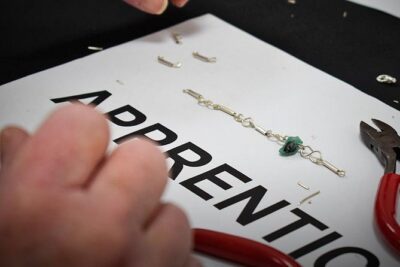
Browse the lists this tour appears in