
REVIEW · COOKING CLASSES
Cooking Classes with All the Palenquero Flavor
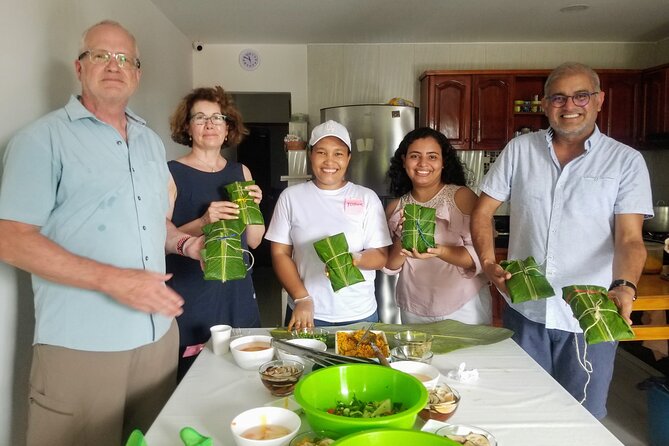
Come hungry for a story. This three-and-a-half-hour Cartagena cooking class gives you a hands-on lesson in pastel cartagenero, a 400-year-old Afro-Colombian recipe shaped by Palenque culture. I like the personal teaching from Marcy, Yolina, Orika, and Dilia, and I like that the finished dish becomes your lunch rather than just a cooking demonstration. The possible drawback is the $102 price, which is a serious spend for one meal, though transportation, snacks, drinks, instruction, and a small group are included.
I also appreciate the cultural setting. You learn why the recipe matters, how Afro-Colombian communities preserved their food traditions, and how local ingredients are wrapped in bijao leaves and tied with fique fibers. The class is offered in English, but the schedule is fixed at 9:00 a.m. to 12:30 p.m., so you will need to give up most of a morning.
In This Review
- Key points at a glance
- Why this Cartagena class is more than a recipe lesson
- Hotel pickup and the ride to class
- Meeting Marcy, Yolina, Orika, and Dilia
- Preparing pastel cartagenero step by step
- What happens while the pastel cooks
- The vegetarian and gluten-free options
- Is $102 a fair price in Cartagena?
- Timing your day around the 9:00 a.m. start
- Who will enjoy this class most
- Should you book Cooking Classes with All the Palenquero Flavor?
- FAQ
- How long does the cooking class last?
- Is hotel pickup available?
- What dish will I prepare?
- Is there a vegetarian or vegan option?
- Is the class gluten-free?
- What is included in the $102 price?
Key points at a glance
- A 400-year-old Palenquero recipe: Prepare pastel cartagenero with meat, rice, vegetables, spices, and local cooking methods.
- Hands-on rather than watch-only: You follow each stage of preparation, wrapping the food in bijao leaves and tying it with natural fique.
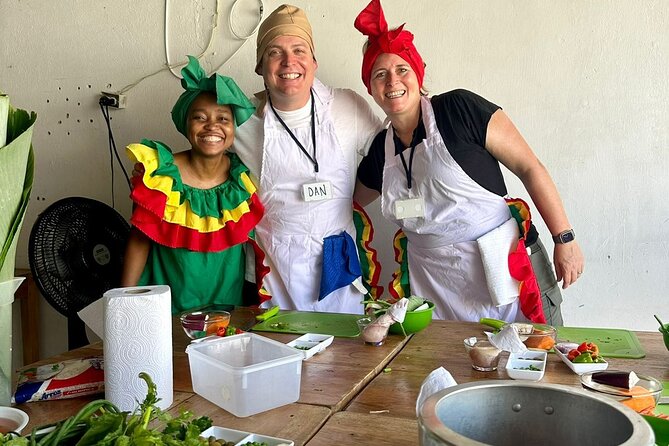
- Personal instruction from Afro-Colombian women: Marcy, Yolina, Orika, and Dilia connect the dish with the history and traditions of Palenque culture.
- A satisfying midday meal: Your cooking becomes lunch, with bottled water, a snack, and a refreshing drink included.
- Vegetarian, vegan, and gluten-free options: The meat-free version uses chickpeas, broccoli, and mushrooms.
- Small-group transport: Hotel pickup is coordinated in advance, with an air-conditioned vehicle and a maximum group size of 10.
Why this Cartagena class is more than a recipe lesson
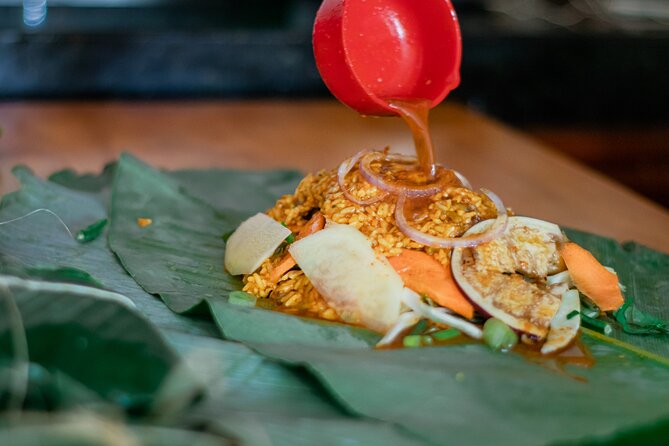
Cartagena has plenty of food tours, but this class focuses on one particular dish and the people who keep its story alive. The centerpiece is pastel cartagenero, here prepared with a Palenquero influence. It is not a pastry in the familiar sweet sense. Think of it as a savory meal of pork, chicken, rice, vegetables, and seasoning, wrapped in leaves and cooked until the flavors come together.
That distinction matters. You are not simply assembling a dish chosen because it photographs well. You are learning a food tradition linked to Afro-Colombian communities and the Palenque region. The class explains how people who escaped slavery formed their own community and culture, and how food helped preserve identity across generations.
I like this kind of cooking lesson because the recipe gives the history a practical shape. Instead of listening to a long cultural talk and then moving on, you handle the same leaves, fibers, rice, vegetables, and seasonings used in the preparation. The story stays with you because you are eating it at the end.
More Cooking Classes in Cartagena
- Small-Group Colombian Cooking Class in Cartagena with Local Chefs
★ 5.0 · 466 reviews - Cooking Class In A Real Restaurant At Old City
★ 5.0 · 180 reviews - SkyKitchen 4 Course Cooking Class
★ 5.0 · 157 reviews
Hotel pickup and the ride to class
After you book, the team coordinates pickup at your hotel. You travel in a comfortable, air-conditioned vehicle with guides who accompany you to the cooking area. The exact pickup timing is arranged directly, so make sure your hotel details are correct and watch for follow-up communication.
The ride is useful for two reasons. First, it removes the need to find an unfamiliar cooking venue on your own. Second, the activity takes you into a real Colombian neighborhood rather than keeping you inside the most polished visitor areas. That gives the morning a more grounded feel, though you should not expect a sightseeing tour with a long list of landmarks. The focus is food, people, and place.
The group is limited to 10 people. That is a good size for a class where you need to see the preparation and take part. It also helps preserve the intimate quality that makes the teaching feel personal. If you prefer a large, social cooking party, this may feel quieter. If you want room to ask questions and follow the process closely, the small size is a plus.
Meeting Marcy, Yolina, Orika, and Dilia
The teaching team is one of the strongest parts of the morning. Marcy and Yolina are specifically praised for being well organized and well prepared, while Orika and Dilia are also named as part of the host team. The class combines practical instruction with personal stories about Afro-Colombian culture and Palenque traditions.
The hosts have received awards for their food, but the more important point is how they use that food to explain where it comes from. You get a sense of pride without the class turning into a formal lecture. The tone is social and welcoming, with time to talk while the food cooks.
I would pay attention to the story of the Palenquero people. The community developed after escaped enslaved people created a place where they could live beyond the reach of those pursuing them. That history gives the recipe a greater weight than a standard cooking souvenir. It reflects resourcefulness, community, and the preservation of customs under difficult conditions.
Preparing pastel cartagenero step by step
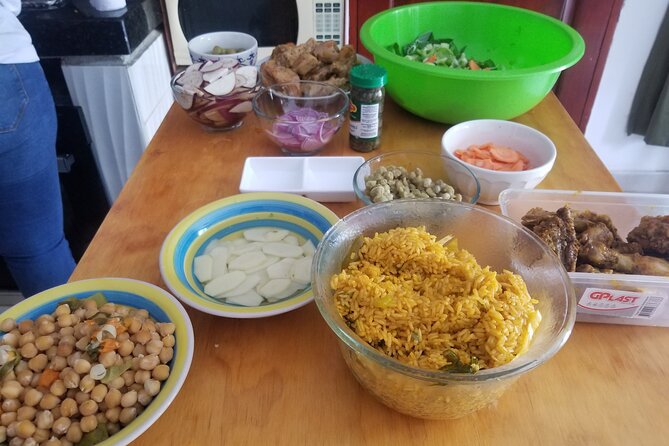
The recipe includes pork, chicken, rice, vegetables, and special seasoning. The meat version is hearty, but the dish is balanced by the rice and vegetables rather than treated as a simple meat-filled parcel.
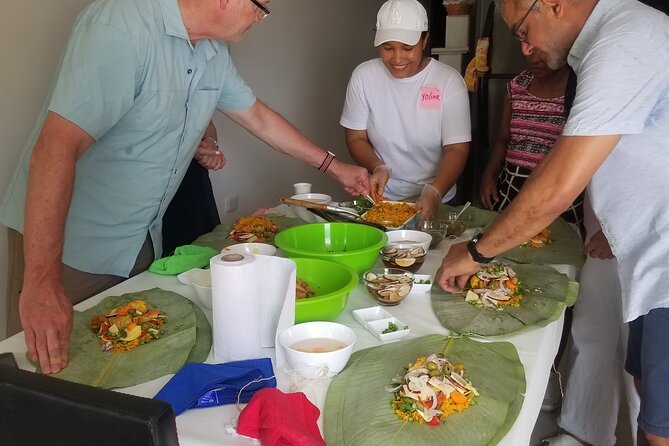
The preparation follows a clear sequence:
- Ingredients are combined with rice, vegetables, and local seasoning.
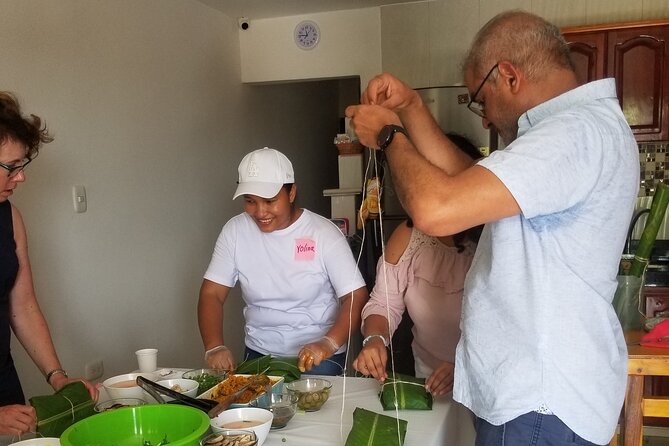
- The mixture is placed into traditional bijao leaves.
- The leaves are folded around the filling.
- Natural fique fibers are used to tie the parcel.
- The wrapped food is cooked and later served in its leaf wrapping.
The advance preparation by the hosts helps the class move at a good pace. You get to take part without spending the whole morning waiting for ingredients to be chopped or measured. That is especially helpful in a three-and-a-half-hour activity, since the class includes history, a snack, a drink, cooking time, and lunch.
The wrapping is likely to be the part that feels most different from an ordinary kitchen lesson. Bijao leaves are not just decorative packaging. They are part of the traditional cooking and serving method, while fique provides a natural way to hold the parcel together. The process also connects the dish to sustainable, locally available materials.
You should expect a savory preparation rather than a polished restaurant-style cooking demonstration. The appeal is learning a method and understanding its meaning. You may not leave with a long list of new recipes, but you will know how one important local dish is made and why it remains special.
A completely different kind of day:
- Cartagena Island Hopping: 5-Stop Rosario Islands Tour with Lunch
★ 4.5 · 4,903 reviews - Cartagena: Historic Center and Getsemaní Shared Walking Tour
★ 4.9 · 2,716 reviews - Cartagena: Rosario Islands Catamaran with Lunch and Snorkel
★ 4.5 · 2,479 reviews - Full-Day Rosario Islands Including Barú, Bocachica & Playa Blanca
★ 4.0 · 1,729 reviews
What happens while the pastel cooks
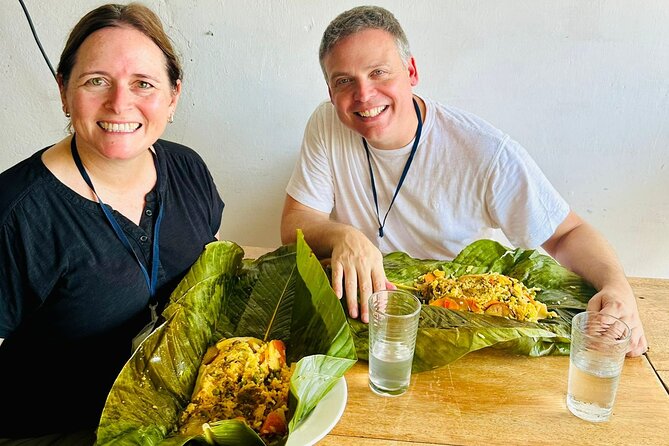
Cooking time creates space for the cultural side of the class. You receive a refreshing drink and a snack while learning more about Afro-Colombian traditions. This keeps the morning from feeling like a rushed sequence of instructions.
The pause is also practical. A wrapped dish needs time to cook, and the hosts use that interval well rather than leaving you idle. You can ask questions, listen to the stories, and enjoy a small bite before the main meal.
The included food is generous enough to make the timing work. Lunch, bottled water, and snacks are part of the price. Soda and alcoholic drinks are not included, so plan to pay separately if you want either. Breakfast is also not included, but with pickup at the start of the morning and lunch at the end, you may want a light meal before the class.
The vegetarian and gluten-free options
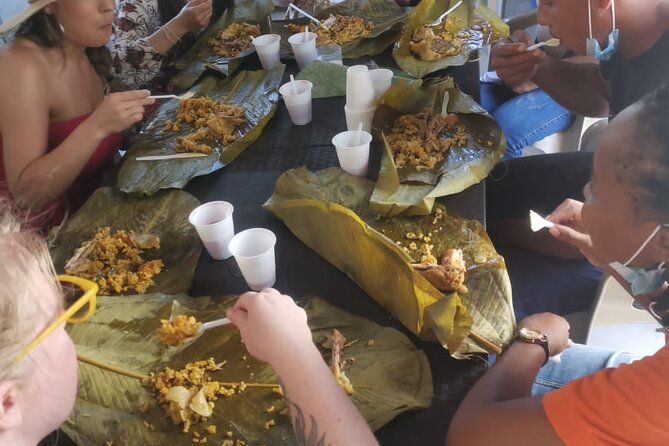
You do not need to eat meat to take part. The vegetarian version uses chickpeas, broccoli, and mushrooms in place of pork and chicken. The class also offers vegan and gluten-free options.
That makes the experience easier to recommend to a mixed group. You can still learn the same wrapping and cooking method even if your filling differs from the traditional meat version. When booking, clearly state your dietary needs so the team can prepare the right option.
The provided information identifies the vegetarian ingredients, but it does not give a separate menu for every dietary variation. If you have a serious allergy, ask the provider for details before booking. Gluten-free availability is confirmed, but the exact ingredient controls are not described.
Is $102 a fair price in Cartagena?
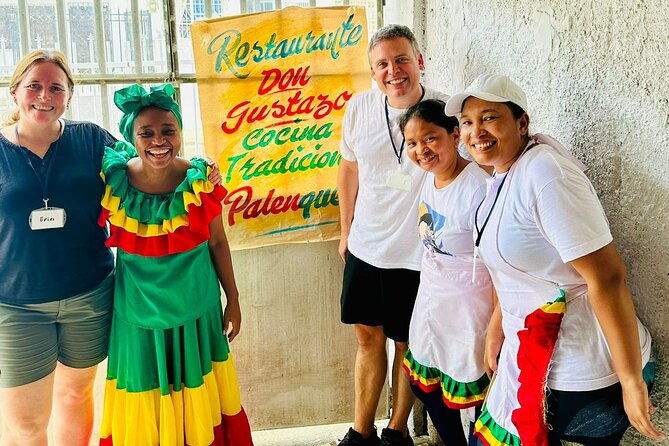
At $102 per person, this is not a budget lunch. You are paying more than the cost of ordering a typical local meal in Cartagena. The question is what you want from the morning.
The price includes:
- Hotel pickup and return transport in an air-conditioned vehicle
- A three-and-a-half-hour cooking experience
- Hands-on instruction
- Lunch
- Bottled water
- Snacks
- A refreshing drink
- Cultural interpretation from the host team
The group size is capped at 10, which adds value. You are not paying for a huge demonstration where you stand at the back and watch someone else cook. You are paying for access to a small-group lesson, transportation, a full meal, and the chance to learn a dish that is not commonly found on every Cartagena menu.
I would consider it good value for someone who places a high price on food culture and personal contact. It is less convincing for someone who simply wants the cheapest way to eat lunch or who already has several food-focused activities planned. The class earns its price through the teaching and cultural context, not through luxury surroundings.
Timing your day around the 9:00 a.m. start
The class runs Monday through Sunday from 9:00 a.m. to 12:30 p.m. That schedule is convenient for a full sightseeing day. You prepare and eat lunch, then have the afternoon free for Cartagena’s other sights.
The morning slot also gives the activity a useful rhythm. You arrive, learn the background, prepare the dish, enjoy a snack while it cooks, and sit down for lunch before the day gets too hot. Since pickup is coordinated rather than handled at a single public meeting point, allow some flexibility around the start time.
This is best booked early if your Cartagena dates are limited. It is booked about eight days ahead on average, so leaving it until the last minute could make scheduling harder, especially if you need the vegetarian, vegan, or gluten-free version.
Free cancellation is available if you cancel at least 24 hours before the start time. Cancellations or changes made inside that window are not refunded or accepted, based on the local start time.
Who will enjoy this class most
I would recommend this for you if you want a personal cultural activity rather than another quick stop in the Old Town. It suits curious eaters, couples, families, and small groups who like learning by doing.
It is also a strong choice if you are interested in Afro-Colombian culture and want that subject treated through everyday life. The stories from Marcy, Yolina, Orika, and Dilia give the recipe a human connection that a restaurant menu cannot provide.
Vegetarians, vegans, and people following a gluten-free diet have clear options, which makes the class practical for mixed groups. The maximum of 10 people is another reason it works well for anyone who dislikes crowded group tours.
I would think twice if you are looking for a class centered on several dishes, advanced cooking technique, or alcoholic drinks. You are learning one main preparation, and the activity is built around its cultural background. That focus is its strength, but it may feel narrow if you want a full cooking-school curriculum.
Should you book Cooking Classes with All the Palenquero Flavor?
Book it if you want to eat something tied to Cartagena’s Afro-Colombian story, meet local hosts, and take part in preparing your own lunch. The strongest reasons are the rare pastel cartagenero recipe, the patient small-group format, and the chance to hear directly from the women who teach it.
Skip it if $102 feels too high for a single meal or if your schedule cannot spare the full morning. For everyone else, this is a thoughtful choice: practical, filling, culturally meaningful, and different from the usual city tour. You will leave with more than a recipe. You will understand why this particular food has lasted so long.
FAQ
How long does the cooking class last?
The experience lasts approximately 3 hours and 30 minutes, from 9:00 a.m. to 12:30 p.m.
Is hotel pickup available?
Yes. After booking, the team coordinates pickup at your hotel and transfers you in an air-conditioned vehicle.
What dish will I prepare?
You will prepare pastel cartagenero with Palenquero flavor. The meat version includes pork, chicken, rice, vegetables, and special seasoning.
Is there a vegetarian or vegan option?
Yes. The vegetarian version uses chickpeas, broccoli, and mushrooms. Vegan options are also available.
Is the class gluten-free?
Yes, the experience offers a gluten-free option. If you have specific dietary concerns, share them when booking.
What is included in the $102 price?
The price includes an air-conditioned vehicle, lunch, bottled water, snacks, and the cooking class. Alcoholic beverages, breakfast, and soda are not included.
Just added in Cartagena
- Self-Guided Audio Tour: Pirate Tales in Cartagena★ 3.0 · 2 reviews
- Private History Photography Tour★ 5.0 · 17 reviews
- Paue Island Tour in the Rosary Islands★ 5.0 · 1 review
- Totumo Volcano★ 3.5 · 15 reviews
- Palmarito Beach★ 3.5 · 4 reviews
- Party without limits! Cartagena; VIP Party.★ 4.5 · 32 reviews
- Paragliding Experience in Cartagena★ 5.0 · 8 reviews
- Tour cultural to san Basilio de Palenque from cartagena★ 5.0 · 45 reviews
Cooking Classes, compared.
Small-Group Colombian Cooking Class in Cartagena with Local Chefs
Read our review →
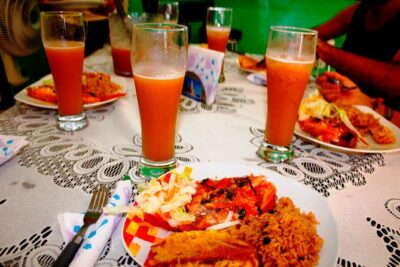
Bazurto Market Tour and Cooking Class in Cartagena
Read our review →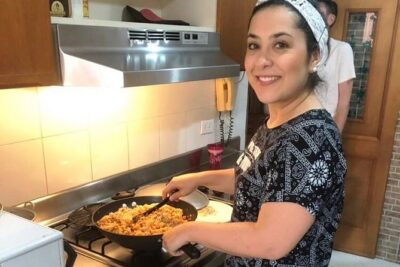
Private Colombian Cooking Class in Medellin with a Local Family
Read our review →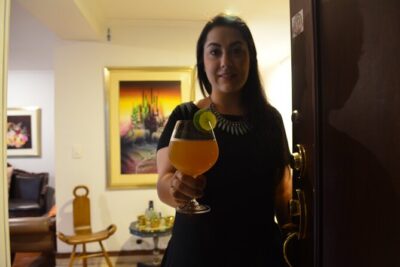
Plaza Minorista Tour and Home Cooking in Medellín with Daniela
Read our review →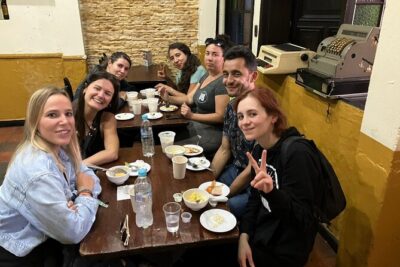
Private Colombian Cooking Class and Market Tour In Bogota
Read our review →
5-Hour Cooking and Tasting Class with Market Small Group Tour
Read our review →Browse the lists this tour appears in