
REVIEW · CACAO AND CHOCOLATE WORKSHOPS
Chocolate Tour With Exfoliation in Beautiful River from Medellín!
Chocolate gets personal here. This six-to-seven-hour outing combines a private ride into Antioquia’s countryside with a hands-on cacao lesson at a family farm near San Francisco, followed by a cocoa-butter exfoliation in a clear river. I like the complete bean-to-bar process and the chance to make a chocolate bar to take home. I also like that the day finishes outdoors, not in a shop or museum.
The main consideration is the price: $160 per person is a serious spend for a day trip from Medellín. The long farm visit, private transportation, personal chocolate-making, and river stop help explain the cost, but this is best for people who want a focused, unusual experience rather than the cheapest countryside excursion.
In This Review
- Key points at a glance
- Why this Medellín day trip feels different
- The ride east from Medellín
- Cocorná viewpoint: a useful first pause
- San Francisco family farm: cacao from tree to pod
- 1. Cacao cultivation
- 2. Harvesting the pods
- 3. Fermentation and drying
- 4. Roasting and winnowing
- 5. Grinding the nibs
- 6. Conching, tempering, and molding
- What the four-hour farm visit is really worth
- Pailania river and cocoa-butter exfoliation
- Price, group size, and overall value
- Who should book this experience
- Practical booking advice
- Should you book the cacao and river tour?
- FAQ
- How much does the chocolate and river tour cost?
- How long does the experience last?
- Is the tour offered in English?
- Where does the tour begin and end?
- Is pickup available?
- Is this a private tour?
- Can I cancel for a full refund?
Key points at a glance
- The cacao process takes center stage: You see cultivation, harvesting, fermentation, drying, roasting, winnowing, grinding, molding, and packaging.
- You make your own souvenir: Your chocolate bar is prepared and packaged for you to take home.
- The setting changes throughout the day: Mountain views at Cocorná, a working family farm near San Francisco, and a small waterfall near Pailania.
- The exfoliation uses freshly made cocoa butter: You spread it over your body before a natural massage beneath the waterfall.
- The outing is private: Only your group participates, with English offered.
- Plan around the meeting point: Pickup is offered, but travelers staying outside Medellín may need to meet beside El Poblado metro station or pay extra for pickup at their location.
Why this Medellín day trip feels different
Many chocolate outings stop after a tasting. This one treats cacao as a crop, a food, and a body-care ingredient. You begin by looking at the plant itself, follow the beans through several stages of preparation, and finish by using cocoa butter on your skin beside a river.
That range gives the day its appeal. You are not simply handed a polished chocolate square. You get a clearer sense of how much work sits behind that square, from waiting for pods to ripen to controlling heat during roasting and tempering.
The tour also takes you away from Medellín’s urban core. The eastern route passes farms, small towns, and mountain scenery before reaching Cocorná and San Francisco. The road journey is part of the experience, though the schedule means you should expect a full day rather than a quick outing.
Because this is a private activity, your group does not share the experience with strangers. That matters during the hands-on farm work and the river stop. You can focus on the guide’s explanation and the practical tasks without trying to keep pace with a large crowd.
A few more options to weigh up in Medellin
- Chocolate Farm Private Tour in Medellin: Real Genuine Experience
★ 5.0 · 162 reviews - Medellin: Colombian Cacao Experience | Chocolate Tour | BOOK NOW!
★ 5.0 · 137 reviews - Coffee & Chocolate Private Tour in Medellin: Genuine Experience
★ 5.0 · 100 reviews
The ride east from Medellín
The meeting point is beside El Poblado metro station at Cl. 14 #50-88, near the area where buses and taxis park and toward the east exit. Pickup is offered for people staying in Medellín, while those outside the city can meet at the station. Pickup at an out-of-town location may carry an extra cost.
Transportation is described as comfortable and private. The drive to the Cocorná viewpoint takes about 60 minutes, with changing views of farms, small communities, and the Andes. Since the tour lasts six to seven hours, the transport is not a minor detail. It gives you a practical way to reach the countryside without arranging a separate car or figuring out rural bus connections.
Still, you should be comfortable spending part of the day on the road. The itinerary includes only a short stop at Cocorná before the much longer farm visit, so this is not designed as a broad tour of eastern Antioquia. It has one clear purpose: cacao, followed by a river treatment.
Cocorná viewpoint: a useful first pause
After roughly an hour, you stop at the Cocorná restaurant and viewpoint. The stop lasts about 15 minutes and includes admission. It gives you time to stretch, use the bathroom, and take in the scenery from a high point in the mountains.
The viewpoint is located near the traditional town of Cocorná and sits at a high part of the mountain range. From here, the appeal is visual rather than culinary or historical. You get a quick look at the scale of Antioquia’s mountain country before continuing toward the farm.
Fifteen minutes is enough for a pause and a few photographs, but not enough for a long meal or a full visit to Cocorná. Keep your expectations in line with the schedule. This is a scenic break, not a separate sightseeing stop.
San Francisco family farm: cacao from tree to pod
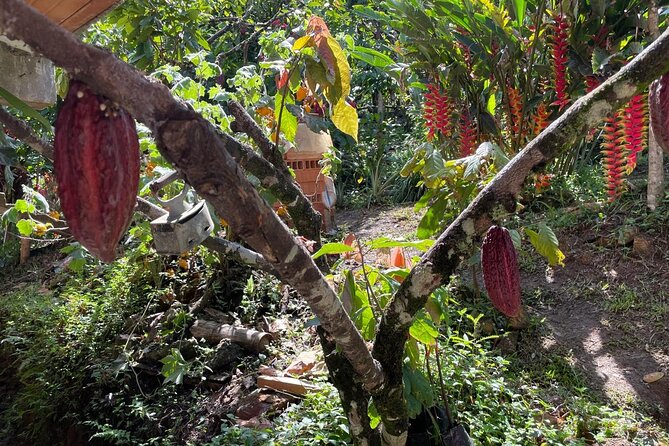
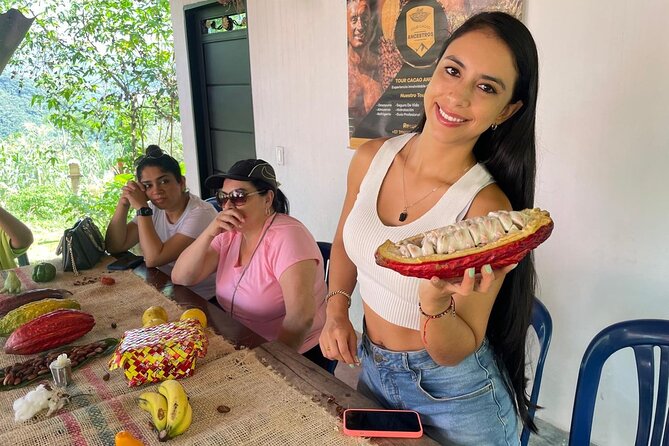
The central part of the day takes place at a local family cacao farm near San Francisco. The property contains cacao alongside other crops, flowers, and plants, giving you a look at a working agricultural setting rather than a factory floor.
The farm visit lasts about four hours. That generous block of time allows the guide to explain the full process and gives you opportunities to handle, smell, taste, and observe plant materials. One especially useful detail is that the experience connects the final chocolate product to the growing conditions of the tree.
More things to do in Medellin:
- Medellin: Comuna 13 Graffiti Tour, Cable Car & Street Food
★ 4.8 · 9,046 reviews - Comuna 13 Graffiti Tour with Street Food
★ 5.0 · 7,503 reviews - Museo Pablo Escobar
★ 5.0 · 7,242 reviews - Guatapé Tour: Piedra del Peñol with Boat Tour, Breakfast, Lunch
★ 5.0 · 7,035 reviews
1. Cacao cultivation
You start with the cacao tree and its pods. The tour explains how the trees grow in tropical conditions below 1,500 meters and how the surrounding environment affects bean quality.
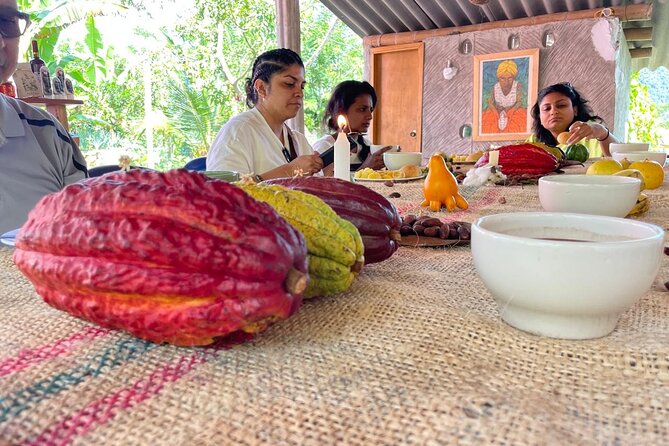
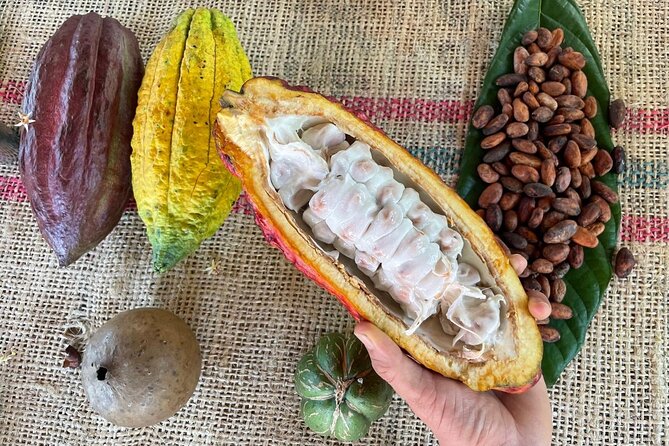
The pods can appear in different colors and at different stages of growth. Seeing them on the tree helps you understand that chocolate does not begin as a brown candy or powder. It begins as a distinctive oval fruit with beans inside a sweet, sticky pulp.
This is a good part of the visit for anyone interested in farming. You see the crop before machinery, packaging, and branding turn it into a finished product.
2. Harvesting the pods
Ripe pods are handpicked when they reach the right size and color. The pods are then opened to reveal the beans surrounded by pulp.
The pulp is described as sweet and edible, which makes this stage especially interesting for your senses. The beans do not yet taste like the chocolate most people know. They need fermentation, drying, roasting, and grinding before their familiar flavor develops.
The farm’s hands-on approach makes the work easier to understand. You can connect the fruit in front of you with the bar you will eventually mold and package.
3. Fermentation and drying
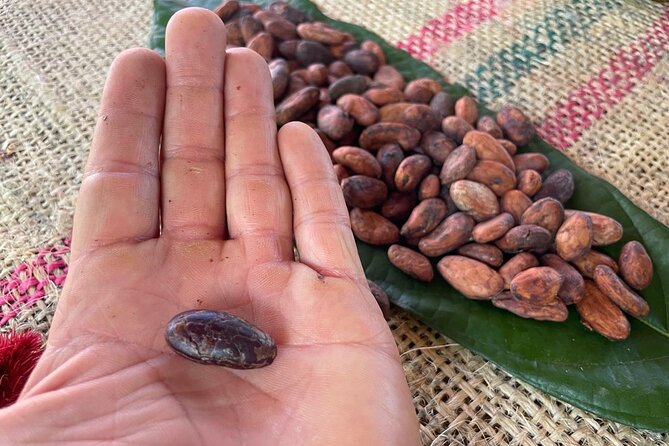
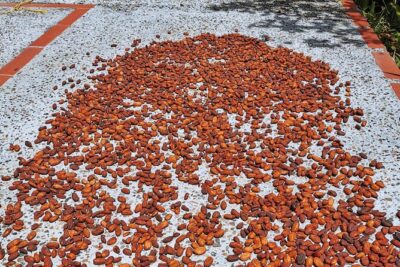
Fresh cacao beans are fermented for five to six days in shallow wooden boxes, barrels, or under banana leaves. This is one of the most important stages because it helps shape the beans’ flavor and color.
After fermentation, the beans are spread in the sun to dry. A plastic covering can create a greenhouse effect, and the drying time depends on the weather. The goal is to reduce moisture to the proper level before roasting.
These steps may sound less exciting than eating chocolate, but they explain why good cacao requires patience. A mistake before roasting can affect everything that follows. You gain a better appreciation for the crop when you see that the beans cannot simply be picked, crushed, and served.
4. Roasting and winnowing
Dry beans are roasted to bring out their flavor. Time and temperature can change the final taste, so this part shows how heat becomes a tool rather than just a cooking step.
You may get to sample freshly roasted beans. After roasting, the beans are cracked and winnowed. Winnowing removes the husks and leaves the cacao nibs, the concentrated pieces used to make chocolate.
The separation may be done with machinery or more traditional methods. Watching the husks fall away gives you one of the clearest visual moments of the process. It is also a reminder that chocolate production involves a series of small transformations, not one dramatic change.
5. Grinding the nibs
The cacao nibs are ground into a thick paste called chocolate liquor or cocoa mass. In large-scale production, heavy machinery usually handles this work.
Here, the tour uses a traditional and resourceful method. Grinding releases the cocoa butter naturally present in the nibs and changes the solid pieces into a smoother, more fluid mixture. That cocoa butter later becomes part of the exfoliation activity at the river.
This connection is one of the tour’s cleverest features. The farm work does not simply end with a tasting. Something produced during the chocolate process is carried forward into the final outdoor activity.
6. Conching, tempering, and molding
The chocolate liquor is refined through conching, in which it is mixed and aerated at controlled temperatures. The process can last from several hours to several days in commercial production, depending on the desired texture and flavor.
The tour also covers tempering. Chocolate is cooled and reheated carefully to stabilize the cocoa butter crystals, creating a glossy finish and the familiar snap of a well-made bar. You may observe the technique and perhaps try it yourself.
Finally, the chocolate is poured into molds, cooled, and packaged. You make your own bar and take it home. That souvenir has more meaning than a bar bought at a store because you have followed the crop through its main stages and taken part in the final preparation.
What the four-hour farm visit is really worth
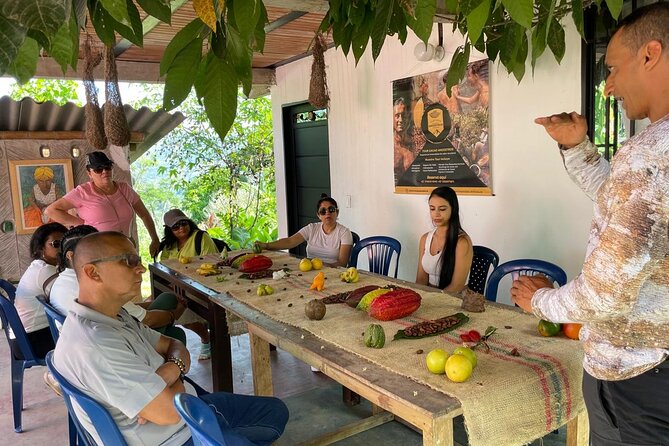
The four-hour duration is a strength if you enjoy learning by doing. You have time to ask questions, look closely at the plants, and follow the process without rushing from one display to another.
It may feel long if your main goal is simply to taste chocolate. This is not a short tasting session with a few facts added on. The experience spends real time on farming and processing, including stages that are not immediately sweet or glamorous.
I would choose this outing for someone who enjoys food production, rural settings, plant life, or practical demonstrations. It also suits couples, families, and small groups who want a private activity with a souvenir they create themselves.
Pailania river and cocoa-butter exfoliation
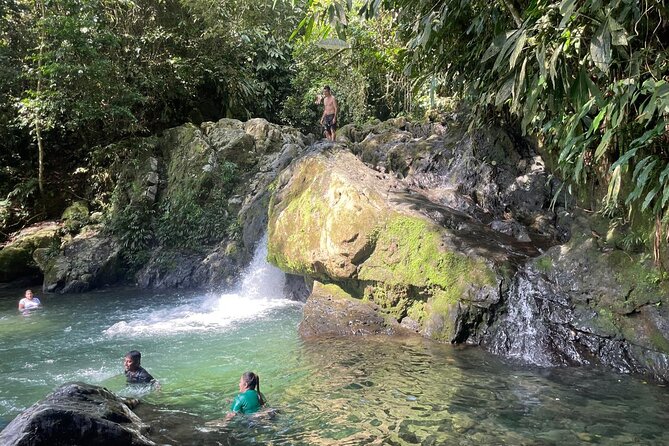
After the farm, the route continues to Pailania, where you visit a clear river with a small waterfall. This final stop lasts about one hour and changes the pace completely.
The cocoa butter made during the cacao process is spread over your body as an exfoliant. The activity is intended to remove dead skin cells, moisturize the skin, and leave it feeling refreshed. You then finish with a natural massage beneath the waterfall.
This is the most unusual part of the day, and it is also the part that requires the most personal comfort. You should be happy getting wet and applying the product over your body in a natural outdoor setting. The available information does not specify changing facilities or what to bring, so it is wise to confirm those practical details before booking.
The river stop is not a spa with a menu of treatments. It is a simple nature-based activity tied directly to the cacao process. That link gives it purpose, rather than making it feel like a random swim added to the schedule.
The setting also provides a welcome contrast to the farm. After several hours of watching, handling, and preparing cacao, you get time in the water and beneath the falls. The day closes with a physical activity instead of another lecture or tasting.
Price, group size, and overall value
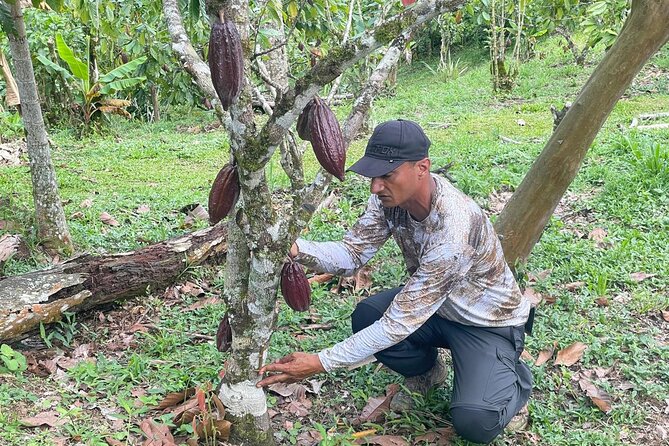
At $160 per person, this tour is priced above a basic countryside trip. The value comes from the combination of private transportation, a private group format, the four-hour cacao experience, a handmade chocolate bar, and the river exfoliation.
You are also paying for a full six-to-seven-hour outing rather than a short city activity. The price may make sense for a small group that wants a day arranged from start to finish, especially if everyone cares about cacao and the outdoor setting.
It is less convincing for someone who wants only a chocolate sample or a quick trip outside Medellín. In that case, the long drive and high cost may outweigh the benefits.
Group discounts are offered, though no discount amount is specified. Ask for the exact rate before booking. The experience is offered in English, which is useful if you want the agricultural and technical explanations in that language.
The current rating is 5 from six published ratings, with especially strong praise for the sensory side of the experience. The most important point for you is that the tour includes more than watching. You smell, taste, and touch plants and cacao products, make a chocolate bar, and prepare a cocoa-butter exfoliant.
Who should book this experience
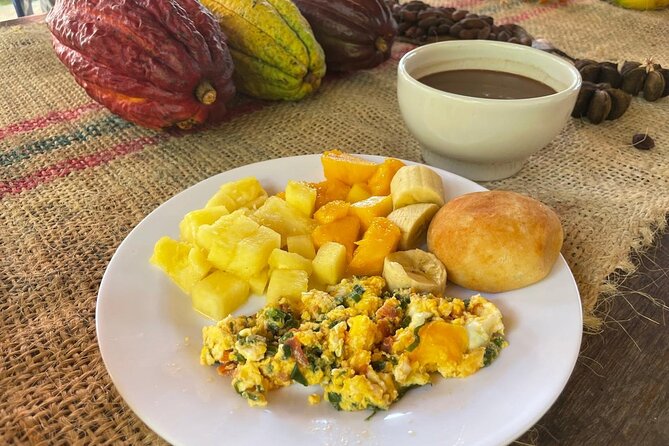
I would point this tour toward you if you want:
- A private day outside Medellín
- A close look at cacao farming and processing
- A hands-on activity rather than a lecture
- A chocolate souvenir you make yourself
- A river and waterfall stop with a body-care activity
- Transportation arranged from the El Poblado area
- An English-language experience for your own group
I would hesitate if you want a short, inexpensive outing, dislike long car rides, or prefer a polished indoor chocolate workshop. The farm is the focus, and the river activity is deliberately simple and outdoors.
The tour may also suit people who like sensory experiences. One of the strongest features is the range of smells, tastes, textures, and plants encountered during the day. It gives you more to remember than a standard tasting flight.
Practical booking advice
The activity begins and ends at the meeting point beside El Poblado metro station. If you stay in Medellín, pickup is offered at your Airbnb or hotel. If you are staying outside the city, plan to meet near the station, or ask about the extra charge for pickup at your location.
Confirmation is provided at booking, and most people can participate. Since the experience includes a river and waterfall, ask the provider any questions about clothing, changing arrangements, and personal comfort before you pay.
Cancellation is flexible if your plans are uncertain. You can receive a full refund by canceling at least 24 hours before the start time. Cancellations or changes made less than 24 hours before the start are not accepted for a refund.
The provider is The Andes Adventure Travels. Since the activity is private, tell the provider the exact number of people in your party and ask how the group discount applies.
Should you book the cacao and river tour?
Book it if you want a full sensory day that connects farming, chocolate-making, and nature. The strongest reasons are the unusually complete cacao process, the chocolate bar you prepare yourself, and the cocoa-butter activity at the waterfall.
Skip it if your priority is low cost, a short itinerary, or a conventional spa treatment. At $160 per person, the tour asks you to value the private transport, long farm visit, and unusual setting.
For the right person, this is a memorable way to see a different side of Antioquia. You leave with a better grasp of how cacao becomes chocolate, a bar made during the visit, and a final hour beside the river.
FAQ
How much does the chocolate and river tour cost?
The price is $160 per person. Group discounts are available, but the exact discount amount is not provided.
How long does the experience last?
The tour lasts approximately six to seven hours.
Is the tour offered in English?
Yes. The experience is offered in English.
Where does the tour begin and end?
It begins beside the El Poblado metro station at Cl. 14 #50-88, near the bus and taxi parking area toward the east exit. It ends back at the same meeting point.
Is pickup available?
Yes. Pickup is offered for people staying at an Airbnb or hotel in Medellín. People staying outside Medellín can meet near the El Poblado metro station, or request pickup at their location for an extra cost.
Is this a private tour?
Yes. Only your group participates in the activity.
Can I cancel for a full refund?
Yes, if you cancel at least 24 hours before the experience starts. Cancellations or changes made less than 24 hours before the start time are not accepted for a refund.
Just added in Medellin
- Walking Tour, Cable Car & Fruit Tasting★ 5.0 · 1 review
- Pablo Escobar and Griselda Blanco Tour★ 5.0 · 1 review
- 3 days private mountain tour, nature and culture near Medellin★ 5.0 · 22 reviews
- City tour, Commune 13, Metro Cable, Botero Park and more. Private★ 5.0 · 34 reviews
- comuna 13 tour★ 3.5 · 6 reviews
- commune thirteen transformation story★ 4.5 · 14 reviews
- fruits tour★ 5.0 · 2 reviews
- Paragliding and hammocks zipline over waterfalls private tour★ 5.0 · 6 reviews
Cacao and Chocolate Workshops, compared.
Chocolate Farm Private Tour in Medellin: Real Genuine Experience
Read our review →
Eco-Hike in Minca: Coffee Tour, Waterfall & Chocolate Experience!
Read our review →
Colombian Cacao Experience | Chocolate Tour | BOOK NOW!
Read our review →
Boutique Rum and Chocolate Tasting at Lunático
Read our review →
Coffee & Chocolate Private Tour in Medellin: Genuine Experience
Read our review →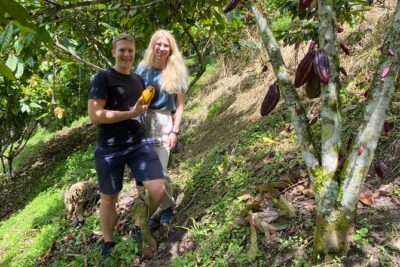
Browse the lists this tour appears in