REVIEW · BOGOTÁ TOURS
Chingaza: The Mountain of Water
Water begins in the clouds. Chingaza National Park offers a rare look at Colombia’s high Andean paramo, where mosses, frailejones, and wet ground help regulate water for the region. I like the private hotel pickup and the chance to hike with local guide Luis, whose explanations bring the plants, animals, and farming traditions to life.
I also like the simple La Calera stop for arepas boyacenses and tinto before the mountain road. The main consideration is the weather: rain is common, and the cold, wet conditions at 3,400 meters require proper shoes, rain gear, and a full change of clothes.
In This Review
- Key points at a glance
- Why Chingaza is worth a day from Bogotá
- The 7:00 AM pickup and the road to La Calera
- Entering Chingaza at 3,400 meters
- The three-hour walk to Laguna de Buitrago
- Rain, cold, and the right clothing
- The cabin stop and hot agua de panela
- What the $449 private price covers
- Who will enjoy this experience most
- Booking details that matter
- Should you book Chingaza: The Mountain of Water?
- FAQ
- Where is Chingaza National Park located?
- How long does the experience last?
- How difficult is the hike?
- Is lunch included?
- Is an English-speaking guide included?
- What should I bring?
- Can I cancel the booking?
Key points at a glance
- A 3-hour hike to Laguna de Buitrago gives you a clear goal without turning the day into an endurance test.
- La Calera arepas boyacenses provide a tasty local stop on the drive from Bogotá.
- The paramo works like a giant sponge, holding and releasing water from clouds and mountain streams.
- Local guide Luis adds detail about native plants, animals, local cultures, and traditional farming.
- Wildlife sightings are possible, including deer, Andean bears, eagles, and small felines, though nothing is guaranteed.
- The $449 price is for a private experience, with transport, permits, and guides included, while lunch is not.
Why Chingaza is worth a day from Bogotá
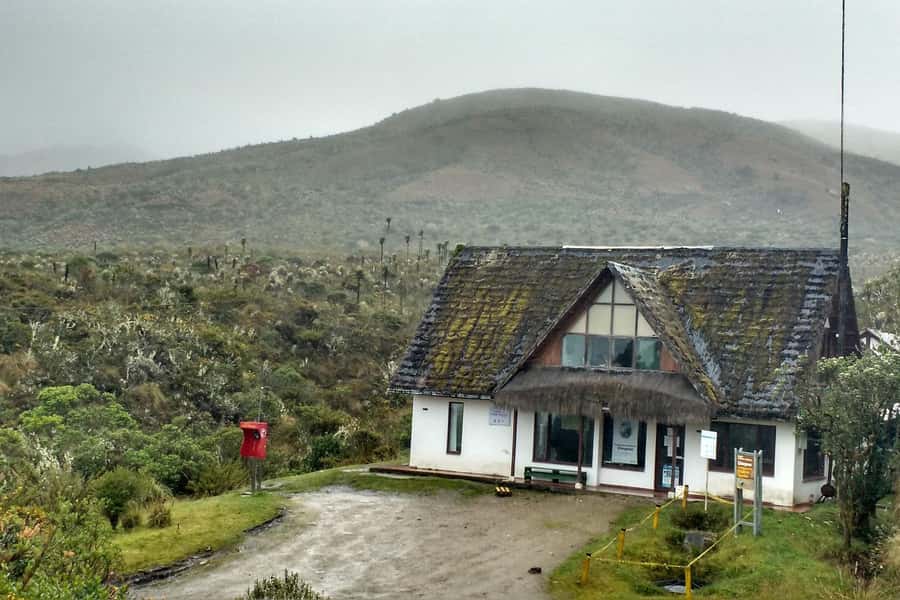
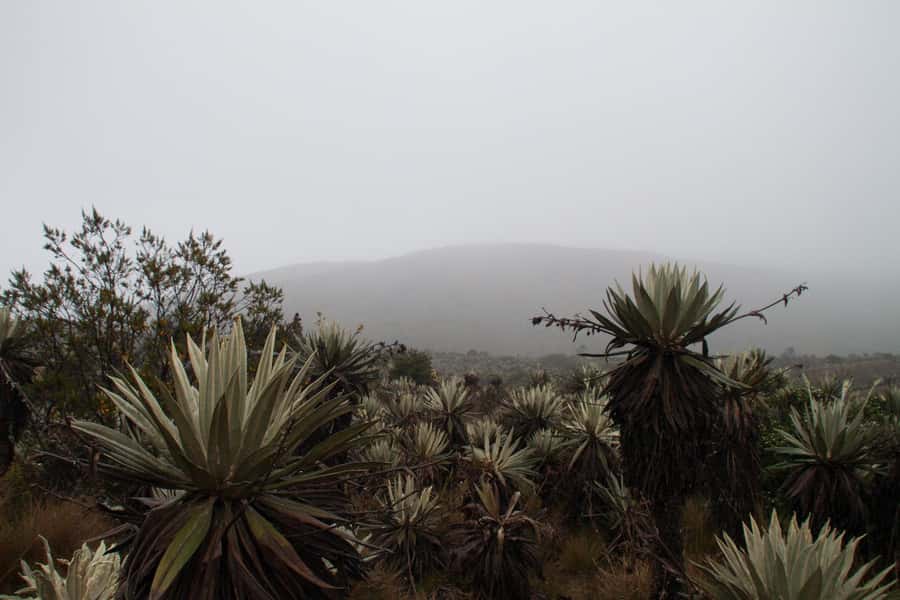
Chingaza is not simply a pretty mountain park. It is one of the most important water-producing areas near Bogotá, with high Andean forest, sub-paramo, and paramo ecosystems. At about 3,400 meters above sea level, the terrain is cool, exposed, and often wet.
The paramo is found only in the northern Andes. Its plants and soils capture moisture from clouds and rainfall, then hold and release that water gradually. The result is a natural water system that helps feed streams and regulate supplies far beyond the hiking trail.
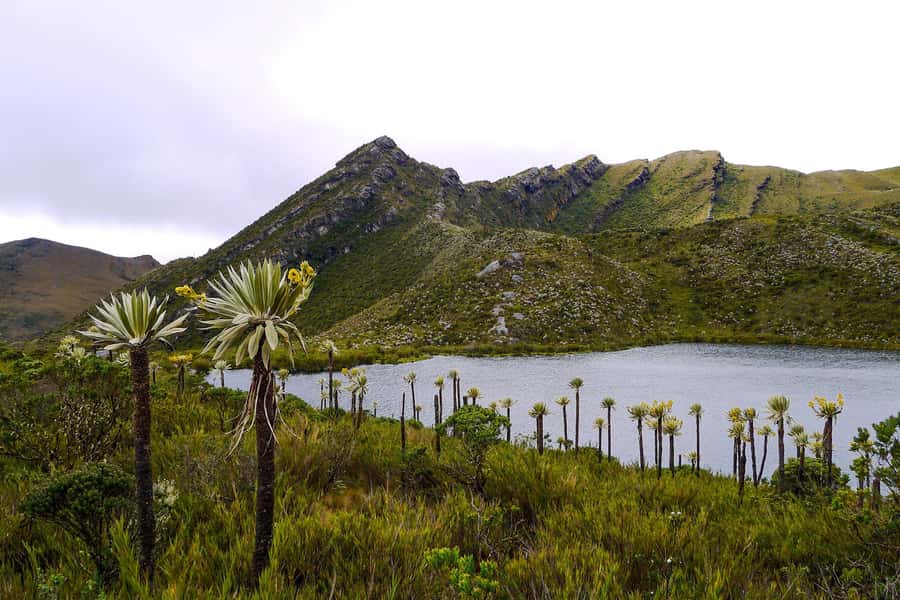
That idea gives the walk real purpose. You are not just looking at unusual plants. You are seeing the machinery behind a major water cycle. The slow-growing Frailejón Uribei is a fine example. This bush grows only in paramo areas and adds roughly one-third of an inch each year. A plant that looks modest can represent decades of growth.
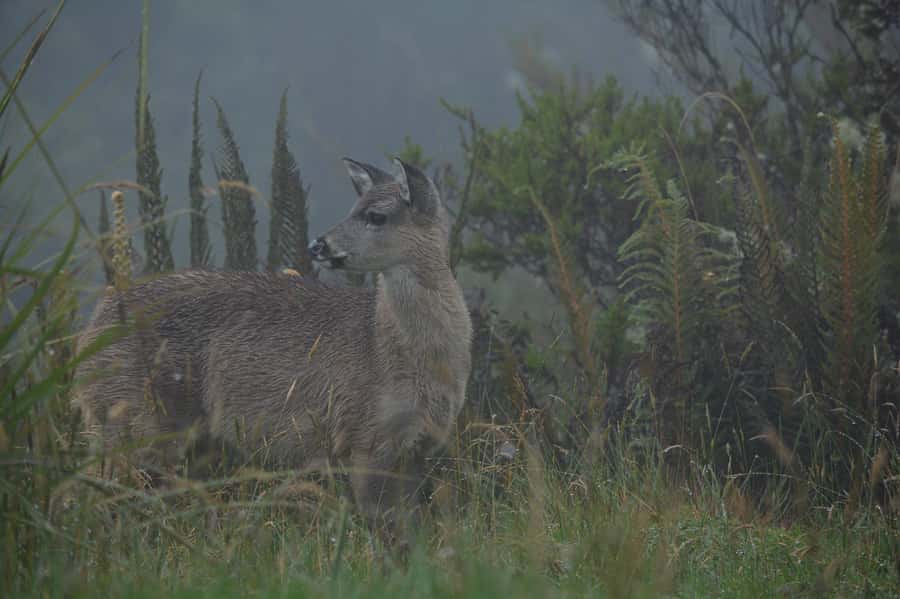
The reserve also supports more than 1,000 plant species and 186 documented bird species. Native mammals include deer, Andean bears, and small felines. You should not book this as a guaranteed wildlife safari, but the chance of seeing something special adds excitement to the quiet stretches of trail.
One private outing even produced a bear and an eagle sighting. That is unusual luck, but it shows why you should keep your eyes open and let the local guide set the pace.
More things to do in Bogota:
- Bogotá Bike Tour
★ 5.0 · 3,329 reviews - Bogota: Bicycle City Tour
★ 4.9 · 2,156 reviews - Zipaquirá: Salt Cathedral Group Tour with Pickup
★ 4.8 · 1,606 reviews
The 7:00 AM pickup and the road to La Calera
The day starts at your Bogotá hotel at 7:00 AM. Your driver collects you, and an English-speaking guide can accompany you for an additional charge. The ride toward the east of the capital takes about an hour and a half before the park area.
Private transport matters here. Chingaza is not a simple city excursion where you can step off a bus beside the main sight. You need to reach a remote mountain reserve, and having transport from your hotel removes a major planning headache.
The first food stop is La Calera, a town on the route. You can try arepas boyacenses, a regional specialty, with tinto, the local name for a small black coffee. This is a brief stop, not a full meal, but it gives the morning a local flavor before the park walk.
I like this kind of pause because it breaks up the drive without turning the morning into a restaurant visit. You get a taste of the region, then continue toward the main event. Since lunch is not included, do not treat the arepa and coffee as your only food plan for the day.
Entering Chingaza at 3,400 meters
Before the hike, the required national park entrance paperwork and permit are handled in advance. You should still make contact several days before the outing because access depends on park carrying capacity and permit arrangements.
That rule can affect availability, particularly when the reserve is busy or operating under limits. It is one reason this experience rewards early planning. A last-minute approach may not work even if transport and a guide are available.
At the park, you meet the local hiking guide. The local guide is especially valuable here because the reserve can look simple at first glance: grasses, low shrubs, wet ground, and broad views. With explanation, the same scene becomes more interesting. You learn which plants belong to the paramo, how slowly they grow, and how local communities have used the area.
The guide also shares stories tied to native cultures and traditional farming communities. That human context helps you understand that Chingaza is not an empty wilderness. It is a protected natural system connected to people, water, and long-standing regional customs.
The three-hour walk to Laguna de Buitrago
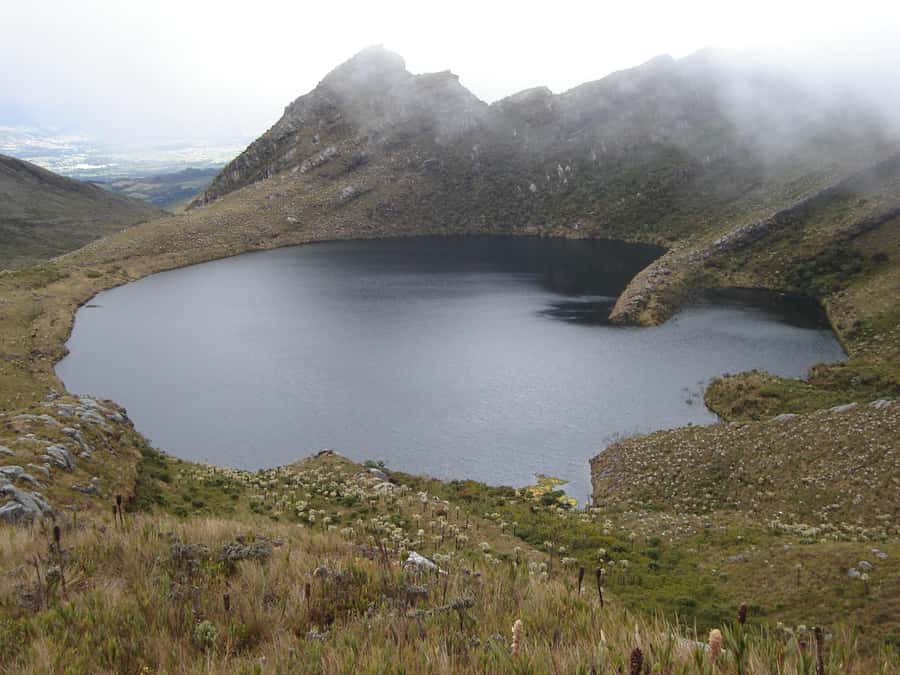
The hike lasts about three hours and reaches Laguna de Buitrago. It is described as manageable rather than highly strenuous, and one private outing found the walk not too hard. Still, altitude changes the experience.
At 3,400 meters, you may feel the thin air more than you expect. The route is also exposed to rain, and wet ground can make an otherwise moderate walk slower. Comfortable hiking shoes are essential. Ordinary city sneakers are a poor match for a place where a complete change of clothes may be needed.
The walk is less about rushing to the lagoon than noticing the ecosystem along the route. Your guide can point out Frailejón Uribei and other native plants among the more than 1,000 species recorded in the park. The value comes from learning how the plants function, not simply collecting photographs.
Laguna de Buitrago gives the hike a clear destination. You have a reason to keep walking, but the outing does not demand a full-day trek. For you, that makes the trip a good fit if you want serious mountain scenery and natural history without committing to an overnight expedition.
Birdwatching is another reason to slow down. Chingaza has 186 documented bird species, although the trip does not promise a dedicated birding program or particular sightings. Keep your attention on the trees, shrubs, and open stretches, and let the local guide identify what appears.
The same applies to mammals. Deer, Andean bears, and small felines live in the reserve, but wildlife is unpredictable. Seeing a bear and eagle, as one outing did, is a memorable bonus rather than a normal part of the schedule.
A completely different kind of day:
- La Candelaria, Monserrate and Museums Bogotá Private City Tour
★ 5.0 · 1,567 reviews - Shared Tour of the Historic Candelaria in Bogotá
★ 5.0 · 1,551 reviews - Bogotá: Guided La Candelaria Walking Tour
★ 4.8 · 1,229 reviews - Graffiti Tour: a fascinating walk through a street art City
★ 5.0 · 1,074 reviews
Rain, cold, and the right clothing
Chingaza is described as one of the great water factories of the region, so wet weather is not an occasional nuisance. Rain is a central part of the place. Bring a rain jacket, hiking shoes, and a complete change of clothes, including another pair of shoes.
That last item may sound excessive until you imagine spending the ride back in damp socks. The advice is practical, not decorative. Pack the spare clothing in a waterproof bag if possible, though the supplied information specifically requires only that you bring it.
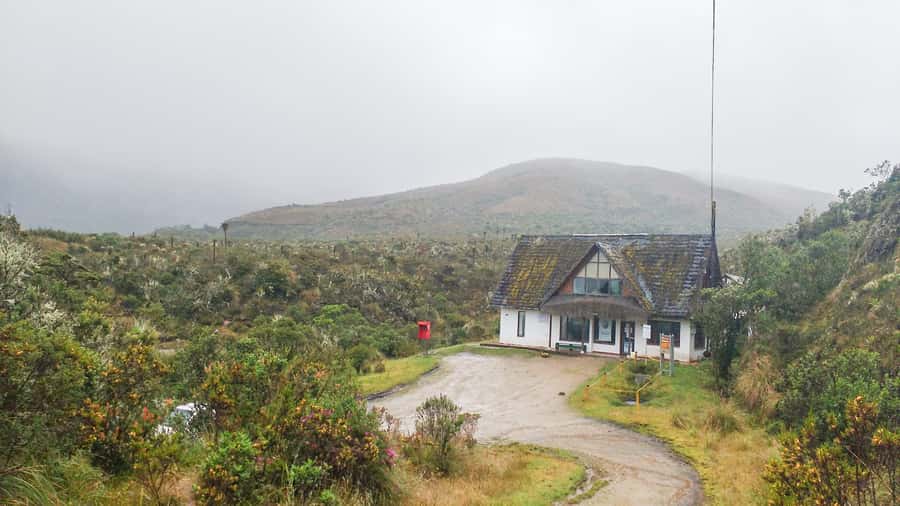
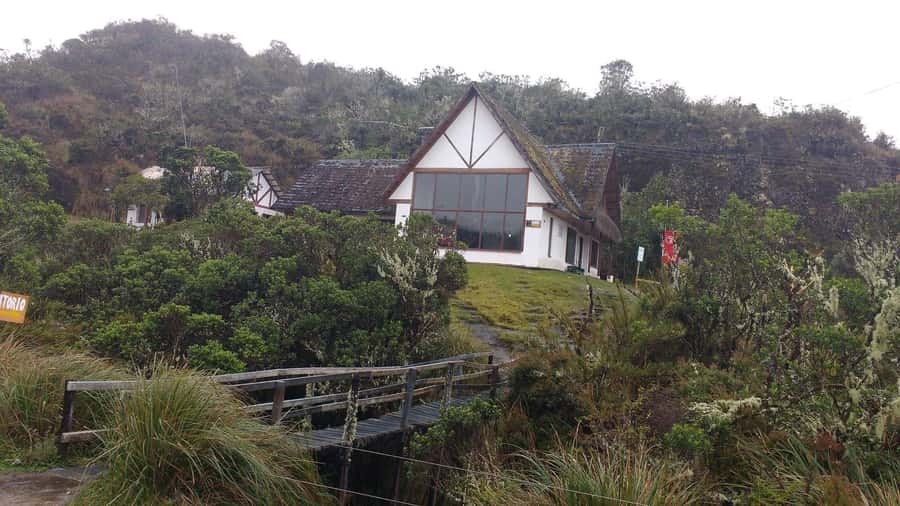
You should also expect cooler conditions than in Bogotá. Comfortable shoes are listed as essential, and warm dry clothing is useful after the walk. The park cabin provides a place to use the toilet and change before heading back.
The weather may limit how long you want to linger at the lagoon. That is not a failure of the trip. In this environment, rain helps explain why the paramo matters. You are seeing the water system at work, even when it makes the trail less comfortable.
The cabin stop and hot agua de panela
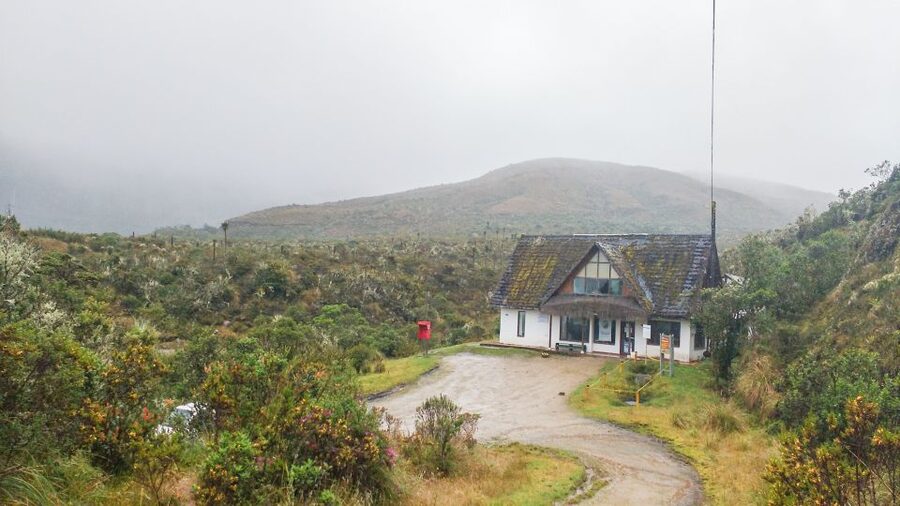
After the hike, you return to the cabin for a hot agua de panela. This traditional drink is made with sugar cane jaggery, and it is exactly the sort of small comfort that suits a cold mountain outing.
The cabin is also practical. You can use the toilet facilities and change into warm, dry clothes and shoes. That makes the difference between ending the day comfortably and sitting through the return ride cold and wet.
Lunch is not included. The supplied plan says you return to your hotel or another point in the city around lunchtime, so the schedule is relatively compact. Because driving conditions and park timing can vary, you should clarify the exact return time if you have an afternoon appointment.
The trip is listed as eight hours, starting at 7:00 AM. The stated drive and hiking details suggest a full morning and part of the day, with time for permits, the La Calera stop, the walk, and the cabin break. Do not schedule anything tight immediately afterward.
What the $449 private price covers
At $449 per person, this is not a cheap walk in the hills. The value depends heavily on how much you want private transport, advance park paperwork, and several layers of guiding.
The price includes transport to and from your hotel, a local hiking guide, national park entrance fees, permit paperwork, and the listed snacks and beverages. An English-speaking guide is optional and costs extra. Lunch, personal spending, and optional activities are not included.
For a solo participant or a very small group, the price may feel high. For a private group that wants a carefully arranged outing from Bogotá, the cost buys convenience and time. You do not need to organize a remote transfer, sort out entry permits, or find a local hiking guide once you arrive.
The local guide is the part I would value most. Chingaza’s importance is not obvious from a quick photograph. Someone who can explain the paramo, identify plants, and connect the reserve to local communities gives the hike more meaning than a driver simply pointing out viewpoints.
The English-speaking guide is optional, so check what language support you need before paying. The activity is offered in Spanish and English, but the information specifically separates the optional English-speaking guide from the local guide.
Who will enjoy this experience most
I would choose this outing if you want a private nature day from Bogotá and care about the reasons behind the scenery. It suits people who enjoy moderate hiking, unusual ecosystems, local food stops, and practical environmental stories.
It is also a good match for anyone who prefers a small, flexible outing over a large coach group. The private format means the transport is arranged around your hotel, and the day includes both a local guide and a driver.
You should think twice if you dislike rain, cold, muddy trails, or early starts. This is not a polished garden walk. The paramo is wet because it is doing its job, and your clothing will need to handle that reality.
It may also be less suitable if your main goal is guaranteed wildlife. Andean bears and eagles can appear, but the park’s animals remain wild. Book the trip for the ecosystem first, with wildlife as a welcome surprise.
Overnight camping trips are available separately, but this particular experience is built as a day outing. The three-hour hike gives you a useful introduction without requiring camping equipment or a night away from Bogotá.
Booking details that matter
Cancellation is free up to 24 hours before departure for a full refund, and you can reserve now and pay later. Those terms help if your Bogotá plans are still moving around, but park capacity remains a separate issue.
Make contact several days in advance because permits and carrying limits affect access. Confirm the preferred language, especially if you need the optional English-speaking guide.
Bring:
- Hiking shoes
- Rain gear
- Comfortable clothing
- A full change of clothes
- A second pair of shoes
- Food or money for lunch, since lunch is not included
The list is short, but the clothing advice is serious. The wrong shoes can turn a moderate hike into an unpleasant one.
Should you book Chingaza: The Mountain of Water?
Book it if you want to understand one of Colombia’s most important mountain ecosystems, not just photograph it. The private transport, permit handling, local guiding, La Calera food stop, and Laguna de Buitrago hike make a well-rounded day from Bogotá.
The strongest part is the combination of place and explanation. Guide Luis and the local guiding format can turn slow-growing frailejones, wet soil, and distant wildlife into a clear story about water and life in the Andes.
Skip it if you need dry weather, a guaranteed animal sighting, or an inexpensive half-day outing. At $449 per person, it makes the most sense for people who value private arrangements and a richer guided experience. Pack for rain, leave room in your schedule, and you will be ready for Chingaza on its own terms.
FAQ
Where is Chingaza National Park located?
Chingaza is in Cundinamarca, east of Bogotá, Colombia. The outing travels from Bogotá toward the park by private vehicle.
How long does the experience last?
The activity lasts about eight hours. It starts at 7:00 AM from your hotel, includes a three-hour hike, and returns toward the city around lunchtime according to the stated plan.
How difficult is the hike?
The hike lasts about three hours and reaches Laguna de Buitrago. It is described as not too hard, but the high altitude and wet conditions mean you should bring proper hiking shoes and rain gear.
Is lunch included?
No. Lunch and personal meals are not included. The experience does include the stated snacks and beverages, including the La Calera stop and hot agua de panela after the hike.
Is an English-speaking guide included?
An English-speaking guide is optional and available for an additional price. A local guide accompanies the hike, and the activity is offered in Spanish and English.
What should I bring?
Bring comfortable hiking shoes, rain gear, and a complete change of clothes, including another pair of shoes. Rain is common in the park.
Can I cancel the booking?
You can cancel up to 24 hours in advance for a full refund. You can also reserve now and pay later, though access depends on permits and the park’s carrying capacity.
Just added in Bogota
- Tour of Zipaquirá: Visit the Salt Cathedral and the main squares★ 4.5 · 55 reviews
- Catedral de Sal desde Bogotá en Tren★ 5.0 · 5 reviews
- Zipaquirá and Salt Cathedral Muisca Heritage with Guide – Private★ 4.5 · 23 reviews
- Botanical Garden Bogotá Private Tour (4 Hrs.)★ 5.0 · 13 reviews
- Zipaquira Salt Cathedral★ 4.5 · 12 reviews
- LOCAL GUIDE Zipaquirá PRIVATE TOUR – Salt Cathedral and Salt Oven★ 5.0 · 24 reviews
- Zipaquirá Salt Cathedral: An architectural wonder.★ 4.5 · 24 reviews
- Private Zipaquira Salt Cathedral and Guatavita Lagoon Tour from Bogota★ 4.5 · 44 reviews
Bogotá Tours, compared.
Zipaquirá: Salt Cathedral Group Tour with Pickup
Read our review →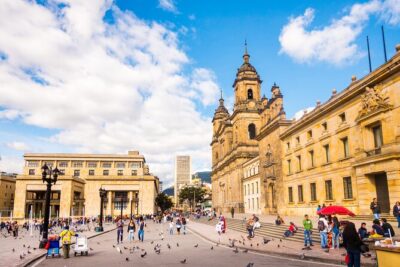
La Candelaria, Monserrate and Museums Bogotá Private City Tour
Read our review →
Shared Tour of the Historic Candelaria in Bogotá
Read our review →
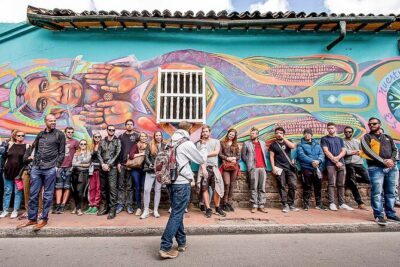
Graffiti Tour: a fascinating walk through a street art City
Read our review →