
REVIEW · BIRDWATCHING TOURS
Cartagena private aviary tour
Birds make Cartagena’s coast feel much wilder. This private half-day outing takes you to the National Aviary, where you can see Colombian species in tropical forest, coastal, and desert settings. I like the private car service and the fact that admission, bottled water, and transportation are bundled into the price. I also like the focus on Colombia’s remarkable birdlife, including three endemic species and several threatened birds.
The main caution is the guide service. The car was prompt and the guide was pleasant, but the available feedback says his bird knowledge was limited. That makes this a useful, low-stress outing for getting around, but not necessarily the best choice if you want a serious birding lesson from an expert.
In This Review
- Key points at a glance
- Why this aviary makes a good Cartagena side trip
- The three habitats: rainforest, coast, and desert
- Three endemic birds you may be able to see
- Conservation programs give the visit real purpose
- The special areas: condors, storks, migrants, and exotic birds
- What the private tour changes
- Is $177 per person a fair price?
- Who should book this experience?
- Practical planning advice
- Final verdict: a convenient bird outing with modest guiding
- FAQ
- Where does the Cartagena private aviary tour take place?
- How long does the tour last?
- Is pickup available?
- Is transportation included?
- Are entrance tickets included?
- Is bottled water provided?
- Is this a private activity?
- How many bird species does the aviary contain?
- Which endemic birds are included?
- What happens if bad weather cancels the tour?
Key points at a glance
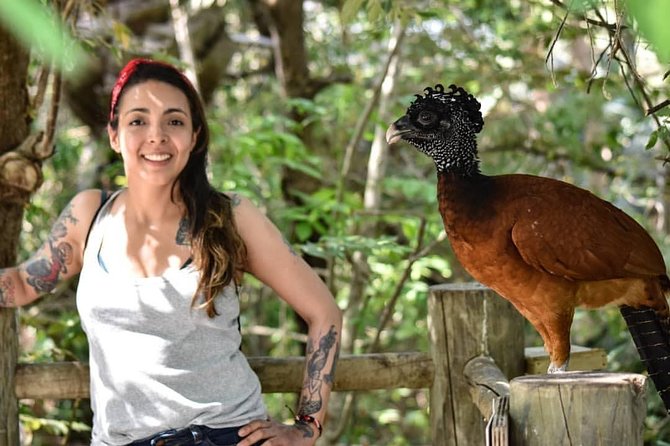
- See 2000 bird specimens: The aviary keeps 170 native species and 20 exotic species in a range of natural-style settings.
- Focus on Colombian birds: Colombia has 1,913 identified bird species, including 76 found nowhere else.
- Three major environments: Tropical rainforest, coastal, and desert zones give the visit a clear structure.
- Important conservation work: Programs focus on the Andean condor, harpy eagle, and blue-billed curassow.
- Private and simple: Only your group participates, with private transportation, bottled water, and admission included.
- Plan for half a day: The outing lasts about three to four hours and includes pickup.
Why this aviary makes a good Cartagena side trip
Cartagena is famous for its old walls, Caribbean heat, and colonial streets. The National Aviary gives you a different view of the region. Instead of spending another morning among buildings and plazas, you get a closer look at Colombia’s extraordinary birdlife.
That matters because Colombia is listed as the country with the greatest bird diversity in the world. It has almost 20 percent of the bird species identified worldwide. The numbers are hard to picture until you see the range gathered in one place: colorful native birds, large raptors, water birds, forest species, and exotic birds from elsewhere.
I like the way the aviary connects individual birds to their natural settings. The visit is not simply a row of cages or a quick display of colorful feathers. It is organized around three broad environments: tropical rainforest, coastal habitat, and desert habitat. Four special areas add more focus, including the Andean condor area, herons and storks, a lake for migratory birds, and exotic birds.
You should keep your expectations in check. This is not described as a specialist birding expedition, and the guide may not offer detailed identification or behavior notes for every species. Still, it can be a pleasant way to see a major collection without worrying about transportation, directions, or tickets.
More birdwatching trips in Cartagena:
- Full-Day Tour Isla Baru – National Aviary of Colombia and Playa Blanca
★ 4.5 · 175 reviews - Cartagena: Entrance to the AVIARY with TRANSFER INCLUDED
★ 3.9 · 70 reviews - Eco Plan National Aviary and Lunch in Playa Mambo Beach Barú
★ 4.0 · 56 reviews
The three habitats: rainforest, coast, and desert
The aviary’s main structure follows Colombia’s different natural zones. That gives the visit a simple rhythm and helps you understand why one country can support so many bird species.
The tropical rainforest section is the place to think about dense plant life, shade, and birds adapted to forest conditions. The available details do not identify every species found there, so I would not book this expecting a guaranteed list of particular birds. Instead, you can expect this section to show how forest birds fit into a more enclosed, humid setting.
The coastal section connects well with Cartagena’s location on the Caribbean coast. It gives the visit a useful local link, especially if your time in the city has been spent mostly in the historic center. Birds associated with shorelines and coastal habitats can look very different from forest species, and the change of setting helps make that clear.
The desert section adds an appealing contrast. Colombia is not one single type of place, and this habitat reminds you that the country includes dry regions as well as humid forests and coast. The range of settings is one of the best reasons to choose this aviary over a basic animal display.
The setting is especially useful for families and first-time bird watchers. You do not need to know bird names before arriving. The different zones give you a basic framework, so you can notice changes in shape, color, size, and behavior as you move through the grounds.
Three endemic birds you may be able to see
The aviary includes three endemic species, meaning birds found only in Colombia. They are the blue-billed curassow, listed as Crax alberti, the Caribbean chachalaca, Ortalis garrula, and the Colombian chachalaca, Ortalis columbiana.
The blue-billed curassow is particularly important because it is also part of a conservation and preservation program at the aviary. Its presence gives the visit more weight than a simple collection of attractive birds. You are seeing a species tied directly to Colombia’s natural heritage and conservation efforts.
The two chachalacas add another useful point. Endemic birds are easy to overlook when a place also contains large, dramatic species such as condors and eagles. If your guide points them out, take a moment to notice them. Their value is not only visual. They represent birdlife that cannot be found naturally in another country.
Because the tour information does not promise a specific viewing order or guarantee that every bird will be active and visible, I would treat the species list as a guide to what the aviary contains, not a fixed checklist. Birds have their own schedules, and the visit is better when you allow some patience.
Conservation programs give the visit real purpose
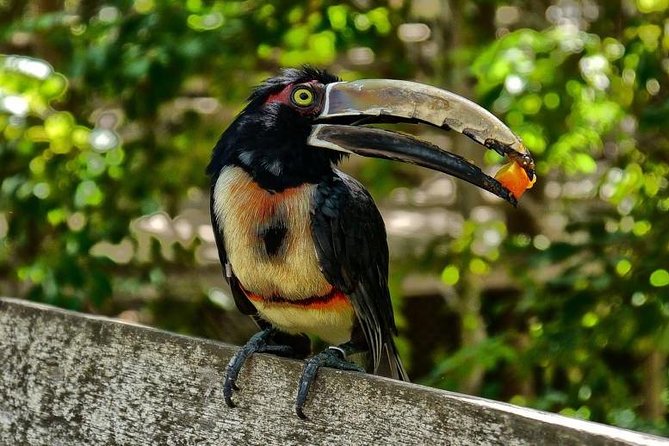
The National Aviary has conservation and preservation programs for three threatened species: the Andean condor, the harpy eagle, and the blue-billed curassow.
The Andean condor is one of the most striking birds associated with South America. Its inclusion gives the aviary a clear connection to the high Andes, even though your visit takes place near Cartagena. The harpy eagle brings another kind of drama. It is a powerful forest raptor, and seeing it in a conservation setting can help you understand that large birds need protected habitat and careful management.
The blue-billed curassow links conservation to Colombia’s endemic species. That combination makes the program especially meaningful. You are not only looking at rare birds from a distance. You are also seeing the names of species that need organized protection.
I appreciate this part of the experience because it adds context to the displays. Without it, a bird park can feel like a pleasant collection. With conservation programs included, you get a clearer reason for the aviary’s work. The available information does not explain the precise methods, breeding results, or release plans, so I would avoid expecting a technical conservation lecture. The value is in seeing which species receive special attention.
More things to do in Cartagena:
- Cartagena Island Hopping: 5-Stop Rosario Islands Tour with Lunch
★ 4.5 · 4,903 reviews - Cartagena: Historic Center and Getsemaní Shared Walking Tour
★ 4.9 · 2,716 reviews - Cartagena: Rosario Islands Catamaran with Lunch and Snorkel
★ 4.5 · 2,479 reviews - Full-Day Rosario Islands Including Barú, Bocachica & Playa Blanca
★ 4.0 · 1,729 reviews
The special areas: condors, storks, migrants, and exotic birds
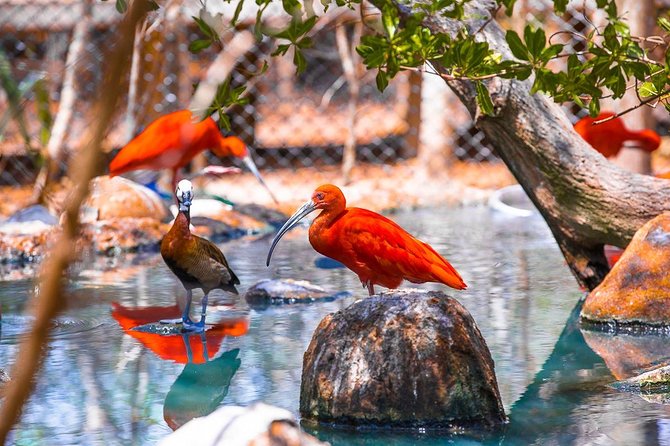
Four special settings break up the three broad habitat zones.
The Andean condor area focuses on one of South America’s most recognizable birds. Its size alone can make it a memorable stop, even for people who do not normally seek out bird attractions.
The herons and storks area shifts attention to long-legged water birds. This section pairs naturally with the aviary’s coastal identity and gives you a chance to compare birds that live around water with species from forest or dry zones.
The lake of migratory birds adds a seasonal dimension. Migratory birds move between regions rather than staying in one place year-round, so this area connects the aviary to larger patterns of bird movement. The details provided do not state which migratory species are present at a particular time, so you should not expect a guaranteed list when booking.
The exotic bird area includes 20 exotic species among the aviary’s collection. This can be fun for anyone drawn to unusual colors and forms, but the native Colombian birds are the stronger reason to visit. If your time is limited, I would give the native habitats and conservation species your closest attention.
What the private tour changes
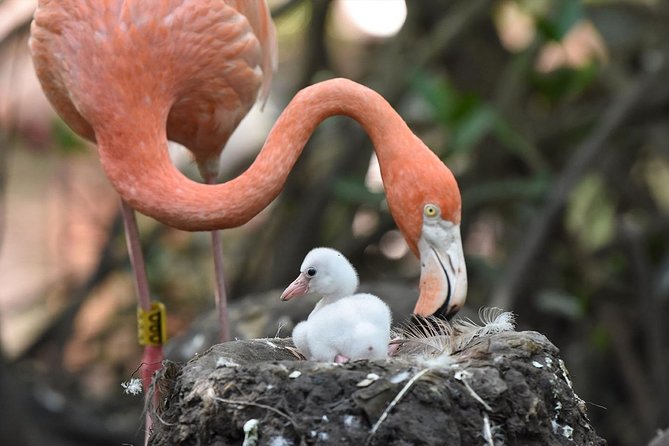
Private transportation is one of the clearest benefits here. The car was reported to be prompt, and that matters in Cartagena, where a half-day outing can become tiring if you spend too much time sorting out directions or transport.
Only your group participates in the tour. That gives you more control than a large shared excursion. You can ask to pause, move at a comfortable pace, or keep the visit simple if you are traveling with children or someone who does not want a packed schedule.
The tour lasts about three to four hours. That is long enough for a proper visit without taking over your whole day. You could pair it with a relaxed afternoon in Cartagena, though the exact pickup and return timing is not specified here.
The guide’s role appears to be practical as much as educational. The guide was described as nice, but not especially strong on bird facts. I would see that as a limitation if you want species calls, field marks, conservation science, or expert-level interpretation. For a private ride and an easy visit, it may be perfectly acceptable.
Is $177 per person a fair price?
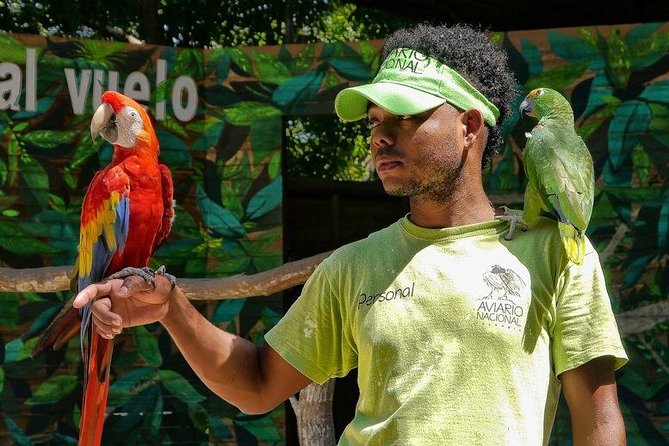
At $177 per person, this is not a budget attraction. The price makes more sense for visitors who value convenience and privacy. Private transportation, admission, and bottled water are included, so you are not building the outing from separate costs or dealing with transport on your own.
The value depends heavily on group size. If you are traveling with several people, private service can feel more reasonable because your group receives its own vehicle and guide. If you are alone or traveling as a pair, the per-person cost is harder to justify unless you strongly prefer a private outing.
You are also paying for simplicity. The tour removes the need to arrange transportation, find the aviary, and manage entry separately. That may be worth it during a short Cartagena stay, especially if you want a straightforward morning away from the city.
The price is less attractive if your main goal is advanced bird education. Since the available feedback describes the guide as pleasant but not highly informed about birds, dedicated birders may prefer a tour led by a specialist. The aviary itself remains the main attraction, while the private service is the main convenience.
Who should book this experience?
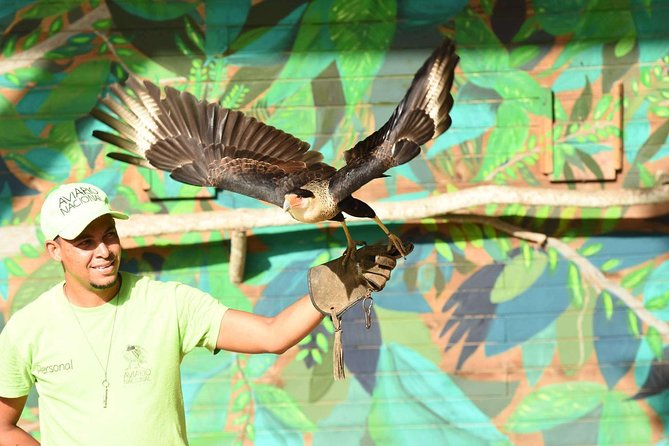
I would recommend this outing to families, couples, and first-time visitors who want a calm half-day activity outside Cartagena’s central sights. It is also a good fit if you like animals but do not want a demanding outdoor expedition.
You may especially enjoy it if you care about conservation. The three threatened species programs and the three endemic Colombian birds give the visit more substance than a simple photo stop.
The tour also suits people who dislike transport puzzles. Pickup is offered, the car was prompt, and private participation means you do not have to adapt to a large group’s pace.
I would think twice if you are a serious birder seeking detailed instruction. The guide may not provide the depth you want. The outing is better viewed as a comfortable introduction to Colombia’s bird diversity than as a formal birding course.
Practical planning advice
Bring patience. The aviary contains 2,000 specimens, but you may not see every bird clearly or at the same moment. The three-hour-plus format gives you room to slow down, particularly in the special areas.
Use the visit to focus on categories rather than trying to memorize every name. Compare the birds of the rainforest with those of the coastal and desert environments. Then pay closer attention to the endemic and threatened species.
The tour requires good weather. If poor weather causes cancellation, you are offered another date or a full refund. For a full refund when canceling yourself, you must cancel at least 24 hours before the start time. Changes or cancellations inside that window are not accepted, and no refund is provided.
Confirmation is received at booking, and mobile tickets are supported. Service animals are allowed, and most people can participate. The supplied information does not give a detailed accessibility description, so anyone with specific mobility needs should confirm the arrangements before paying.
Final verdict: a convenient bird outing with modest guiding
I would book the Cartagena private aviary tour if I wanted an easy, private half-day trip with transport handled for me. The strongest features are the Colombian bird collection, the three natural environments, the conservation programs, and the chance to see endemic species in one place.
I would not choose it solely for expert guiding. The available feedback points to a friendly guide and reliable car service, but limited bird knowledge. At $177 per person, the tour earns its price through privacy and convenience more than through specialist instruction.
For families and casual nature lovers, it is a sensible Cartagena add-on. For committed birders, book only if you are happy to make the aviary itself the teacher and treat the guide mainly as your transportation and tour companion.
FAQ
Where does the Cartagena private aviary tour take place?
The tour visits the National Aviary in Cartagena, Colombia.
How long does the tour last?
The experience lasts approximately three to four hours.
Is pickup available?
Yes. Pickup is offered as part of the experience.
Is transportation included?
Yes. Private transportation is included.
Are entrance tickets included?
Yes. The admission ticket to the National Aviary is included.
Is bottled water provided?
Yes. Bottled water is included.
Is this a private activity?
Yes. Only your group participates in the tour.
How many bird species does the aviary contain?
The aviary contains 170 native bird species and 20 exotic bird species.
Which endemic birds are included?
The three endemic species listed are the blue-billed curassow, the Caribbean chachalaca, and the Colombian chachalaca.
What happens if bad weather cancels the tour?
If poor weather causes cancellation, you can receive a different date or a full refund.
Just added in Cartagena
- Private History Photography Tour★ 5.0 · 17 reviews
- Self-Guided Audio Tour: Pirate Tales in Cartagena★ 3.0 · 2 reviews
- Paue Island Tour in the Rosary Islands★ 5.0 · 1 review
- Totumo Volcano★ 3.5 · 15 reviews
- Palmarito Beach★ 3.5 · 4 reviews
- Party without limits! Cartagena; VIP Party.★ 4.5 · 32 reviews
- Paragliding Experience in Cartagena★ 5.0 · 8 reviews
- Tour cultural to san Basilio de Palenque from cartagena★ 5.0 · 45 reviews
Birdwatching Tours, compared.
Full-Day Tour Isla Baru – National Aviary of Colombia and Playa Blanca
Read our review →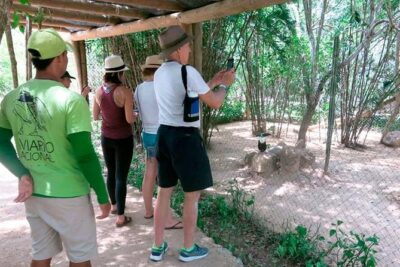
Eco Plan National Aviary and Lunch in Playa Mambo Beach Barú
Read our review →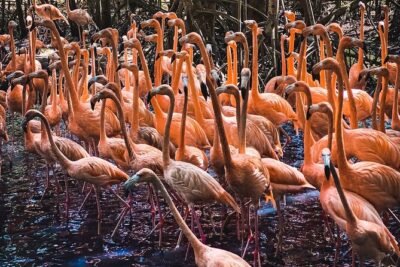
National Aviary & Mambo Beach Club Baru – Playa Blanca
Read our review →
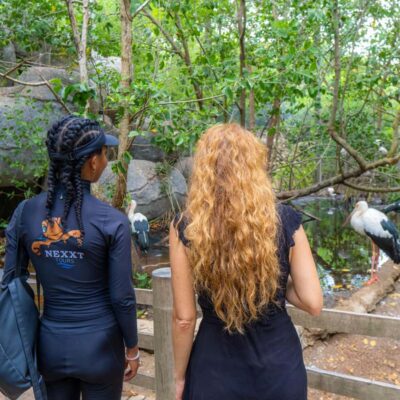
Isla Barú: Beach Club Access and Tour of the National Aviary
Read our review →
Bird watching in Bogota wetlands with Bakata Bird
Read our review →
Birdwatching day in Chingaza and Observatorio de Colibries
Read our review →
Browse the lists this tour appears in