
REVIEW · COLOMBIAN COFFEE TOURS
Cali: Coffee Tour – Discover the secrets of 100% Colombian coffee
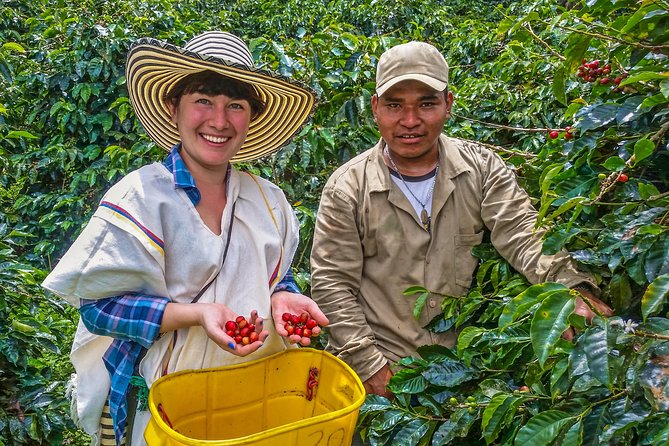
Coffee begins long before breakfast. This full-day outing from Cali takes you into Valle del Cauca for a farmer-led visit at Café Salma, where you follow coffee from planting and picking to washing, drying, roasting, and brewing. I especially like the small group limit of seven and the chance to eat a typical regional lunch instead of a standard tour meal. The main drawback is the price: at $245 per person, it is a serious spend for a day outside the city.
The experience also has a gentle pace. You stop in Ginebra, pause in Costa Rica, walk through coffee country, and finish with a hands-on coffee ritual. Guides such as Gabriel, Juan, and Karina have earned praise for clear English, patience, and friendly explanations, though communication with the farm owner may depend on your Spanish.
In This Review
- Key things to know before you book
- Leaving Cali for Valle del Cauca
- Ginebra: a brief look at a magical town
- Costa Rica and the culture of coffee
- A Valle del Cauca lunch at Aqui Es Lola
- Four hours at Café Salma, from plant to cup
- The coffee ritual is the hands-on highlight
- The guides make a big difference
- Is $245 a fair price?
- Timing, comfort, and practical limits
- Who should book this coffee tour?
- FAQ
- Where does the tour start?
- Where does the tour end?
- How long does the coffee tour last?
- Is transportation from Cali included?
- What meals are included?
- What should I bring?
- How many people can join the tour?
- Should you book it?
Key things to know before you book
- The farm visit takes about four hours, giving you time for the plantation, coffee processing, and brewing demonstration rather than a quick photo stop.
- The group is limited to seven people, which makes questions and conversation easier.
- Transportation leaves from the Hotel Intercontinental Cali at 8:00 a.m. and returns to the same point.
- You eat a typical Valle del Cauca lunch at Restaurante Aqui Es Lola, with a snack also included.
- You need sturdy walking shoes, since the farm portion includes a fair amount of walking on uneven ground.
- The price buys a private-feeling day, but the value is strongest if you care about coffee, local food, and rural culture.
Leaving Cali for Valle del Cauca
The day begins at 8:00 a.m. outside the Hotel Intercontinental Cali on Avenida Colombia. Round-trip transport is included, so you do not need to arrange a car for the countryside portion. The drive to the coffee area takes about an hour each way, with the total round trip listed at roughly two hours.
That transfer matters. Cali is a large, lively city, but coffee production belongs to the greener rural areas beyond its streets. As the city falls away, the day shifts from urban sightseeing to farms, small towns, and open views. I like this change of pace because the outing gives you a clearer sense of the department beyond Cali’s central sights.
Transport is by Jeep or Guala, a typical local vehicle. That is useful for reaching a rural farm, and it adds a local touch to the outing. You should still expect a full day on the road and at the farm, not a short trip squeezed between city attractions.
Bring your original passport or identification, water, sunscreen, mosquito repellent, and a cap or hat. Comfortable shoes with good grip are important. This is not a polished café tasting held beside the road. You will walk around a working coffee property, and the ground may require more care than a city sidewalk.
More coffee tours in Cali:
- Coffee Tasting Experience in Cali
★ 5.0 · 13 reviews - Sugar Cane Museum and Hacienda La María
★ 5.0 · 12 reviews - Coffee Tasting Experience in Cali Colombia
★ 5.0 · 8 reviews
Ginebra: a brief look at a magical town
The first small town stop is Ginebra, where you have about ten minutes to look around before continuing to the farm. Ten minutes is not enough for a full visit, so think of it as a quick introduction rather than a town tour.
That short pause can be useful after the drive. You get a glimpse of local streets and a chance to see a smaller Colombian community before the main activity begins. The town also helps place the coffee farm in its regional setting. This is not an isolated attraction built only for visitors. It is part of a wider rural area with its own food, traditions, and daily life.
If you prefer long stops and detailed town history, this part may feel too brief. I would treat it as a pleasant extra, not a reason to book the experience by itself.
Costa Rica and the culture of coffee
The next stop lasts about 20 minutes in the municipality of Costa Rica, in Valle del Cauca. The focus here is the importance of coffee to the area and the culture that has grown around its production.
This is a useful bridge between sightseeing and the farm visit. Coffee is not just a drink served in a cup. It supports families, shapes rural work, and gives the region a strong identity. A short stop cannot explain every part of that story, but it gives you a frame for the hours that follow.
You might also appreciate the change in scale. Ginebra offers a quick look at a town, while Costa Rica points you toward the farming communities and working land that make the local coffee economy possible. Keep your expectations reasonable, though. The stop is brief and does not include a long guided walk.
A Valle del Cauca lunch at Aqui Es Lola
Lunch at Restaurante Aqui Es Lola lasts about an hour and is included in the price. The meal is described as a typical dish from Valle del Cauca, so this is an important part of the day, not just a convenient place to fill up.
I like the regional focus. Food can explain a place as clearly as a museum, and a local meal gives the coffee visit a wider setting. The meal also breaks up the farm time before the longer afternoon program.
The available details do not specify the exact menu, so you should not book this expecting a particular dish or a special dietary menu. If you have food restrictions, ask the operator before departure. A snack is also included, which helps on a day that begins early and involves walking.
The meal has received especially warm praise for its homemade character and flavor. That makes it one of the stronger value points, particularly if you enjoy eating in local settings rather than relying on familiar international food.
More things to do in Cali:
- A day to enjoy nature and have an adventure in the Jordan river
★ 5.0 · 469 reviews - Cali: City Tour | Guided tour around the city
★ 5.0 · 287 reviews - Shared Tour of the Historical and Cultural Center of Cali
★ 5.0 · 211 reviews - Street Food Tour
★ 5.0 · 157 reviews
Four hours at Café Salma, from plant to cup
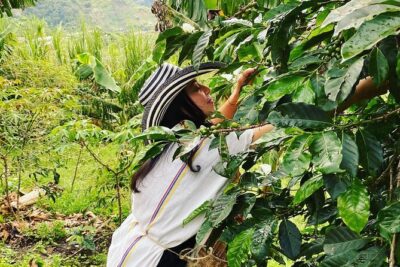
The main event is Café Salma, where you spend about four hours learning how coffee is made. A coffee farmer guides you through the property and explains the work involved in cultivation.
The length is a real advantage. Many coffee visits explain the bean briefly, offer a sample, and send you on your way. Here, you have time to connect the stages: planting, picking, washing, drying, roasting, and brewing. You also learn about the historical background of coffee and how the crop fits into the region.
The farm walk is not simply a stroll through attractive scenery. You are looking at a working process. You may see how ripe fruit is selected, how the beans are handled after picking, and why each stage affects the final drink. One especially useful lesson is learning to identify flavor differences in coffee. That can change the way you taste your morning cup once you return home.
Expect a fair amount of walking. Good footwear is not a casual suggestion here. Closed shoes with strong grip will make the plantation portion more comfortable, especially if the ground is uneven or damp. Sun protection and insect repellent also belong in your small day bag.
The setting has been praised for its quiet green surroundings, birdwatching possibilities, and lack of crowds. If you enjoy carrying binoculars, bring them. You may have time to watch Colombian birds while moving around the property, though bird sightings are never guaranteed.
The coffee ritual is the hands-on highlight
The final part of the farm visit is the Coffee Ritual, a demonstration of how to prepare a good cup using traditional methods. This is where the tour becomes more than a lecture.
You are shown the steps and can take part in preparing the coffee. The guides explain how to choose the fruit and how the beans change through the process. You may also learn how to recognize different flavors, which gives you a practical skill rather than just another fact to remember.
The hands-on part has been a major strength of the outing. Guests have been filmed while preparing coffee, and the guides have taken time to help with photographs and personal moments. If you want pictures or video, ask politely and make sure any drone use is approved. One participant flew a drone with guide assistance, but that does not mean aerial filming is automatically permitted every time.
The farm owner is described as friendly and helpful. Communication may be easier through the bilingual guide, especially if you do not speak much Spanish. Gabriel, Juan, and Karina are all noted for patient, clear guidance, with Gabriel receiving particular praise for explaining the process without overloading the group with information.
The guides make a big difference
A bilingual guide is included, and the small group size gives the day a personal feel. That matters on a technical subject such as coffee. You can stop to ask why one bean is selected, how drying affects taste, or what makes a traditional preparation different.
Gabriel is a strong choice if he is assigned to your departure. He has been described as friendly, accommodating, and good at keeping explanations interesting. Juan has been especially helpful with translation, while Karina is praised for being communicative and warm.
Assignments can change, so you should not assume a particular guide is guaranteed. Still, the operator’s guide team appears to be one of the experience’s best assets. Good interpretation is essential because coffee production involves many unfamiliar steps, and a clear explanation helps you see why the work takes time.
The language balance may vary at the farm itself. If you speak Spanish, you may be able to get more stories directly from the owner. If not, stay close to the bilingual guide during the farm walk and brewing lesson.
Is $245 a fair price?
At $245 per person, this is not a budget excursion. The cost includes round-trip transport from Cali, a bilingual guide, farm admission, the plantation tour, the coffee ritual, a snack, lunch, medical insurance and assistance, and local transport by Jeep or Guala.
The value depends on what you want from a day trip. If you only want to drink good coffee, the price will probably feel high. You can find coffee in Cali for much less. If you want transport, a guide, a long farm visit, food, and a private-feeling small group, the calculation looks better.
The price can feel particularly steep for a party of two. A similar booking has worked out at about $500 total, with the farm, vehicle, and guide arranged just for that pair. In that situation, you are paying for privacy and logistics as much as for the coffee itself.
I would compare this with the cost and effort of arranging a rural visit on your own. The operator handles the transport, timing, translation, farm access, lunch, and return to Cali. That convenience has real value, especially if you are not comfortable navigating rural Valle del Cauca independently.
Still, the high price deserves an honest warning. This is a better purchase for coffee enthusiasts and visitors who want a local food and farm experience than for anyone hunting for the cheapest half-day activity.
Timing, comfort, and practical limits
The experience lasts about eight hours and begins early. With the 8:00 a.m. departure, the day may run into the afternoon, depending on road conditions and the exact pace of the group. Plan around the full outing rather than scheduling a tight city activity afterward.
Most people can participate, but the farm walk means you should be comfortable on foot. Wear shoes with good grip, use sunscreen, and bring a hat. Water and mosquito repellent are also specifically recommended.
The group maximum is seven people. That is small enough for direct questions and a quieter visit, but it does not guarantee a private booking. If privacy matters to you, ask how many people are booked before you pay.
Free cancellation is available if you cancel at least 24 hours before the start time. Changes or cancellations inside that window are not accepted for a refund. Your confirmation arrives when you book, and the activity ends back at the Hotel Intercontinental Cali meeting point.
Who should book this coffee tour?
I would choose this outing if you want to understand the labor behind Colombian coffee, not simply taste it. The four-hour farm visit, traditional brewing lesson, and chance to speak with people connected to the property give the day substance.
It also suits you if you enjoy small towns, rural scenery, local food, and a relaxed pace. Families and small groups can benefit from the limited capacity, and bird lovers should consider bringing binoculars.
I would think twice if you dislike walking, want a fast attraction close to Cali, or are mainly looking for a low-cost coffee tasting. The price is high, and the town stops are short. You are paying for a complete countryside day with transport and guidance.
FAQ
Where does the tour start?
It starts at 8:00 a.m. at the Hotel Intercontinental Cali, Av. Colombia #2-72, Normandia Sebastian de Belalcazar, Cali.
Where does the tour end?
The activity ends back at the same meeting point, the Hotel Intercontinental Cali.
How long does the coffee tour last?
The experience lasts approximately eight hours.
Is transportation from Cali included?
Yes. Round-trip transportation from Cali is included, using a Jeep or Guala, a typical local form of transport.
What meals are included?
A snack and lunch are included. Lunch is a typical meal from Valle del Cauca and is served at Restaurante Aqui Es Lola.
What should I bring?
Bring your original passport or identification, water, sunscreen, mosquito repellent, and a cap or hat. Wear comfortable walking shoes with good grip.
How many people can join the tour?
The maximum group size is seven people.
Should you book it?
Book this tour if you want a close look at Colombian coffee culture and value a carefully arranged rural day. The strongest parts are the farmer-guided plantation visit, the full bean-to-cup explanation, the traditional coffee preparation, and the regional lunch.
At $245 per person, I would not call it an automatic bargain. But for a small group that wants a bilingual guide, transport from Cali, a long farm visit, and a taste of daily life in Valle del Cauca, it offers a useful and memorable day. Bring good shoes, leave room in your schedule, and book it for the coffee story, not just the final cup.
Just added in Cali
- Trekking to Pico de Loro★ 4.5 · 14 reviews
- Private Transfer from Cali Airport (CLO)★ 5.0 · 4 reviews
- Trekking & Rivering Reserve Pericos★ 5.0 · 5 reviews
- Transportes y Traslados desde Cali★ 5.0 · 1 review
- Sugar Cane Hacienda El Paraiso & Nature Day Tour★ 4.0 · 6 reviews
- CITY TOUR OF CALI | Discover with local experts Cali★ 5.0 · 2 reviews
- Friday Night Street Salsa and Bar Crawl in Cali, Colombia★ 4.5 · 24 reviews
- Saturday Night Bar Crawl in Cali, Colombia★ 5.0 · 20 reviews
Colombian Coffee Tours, compared.
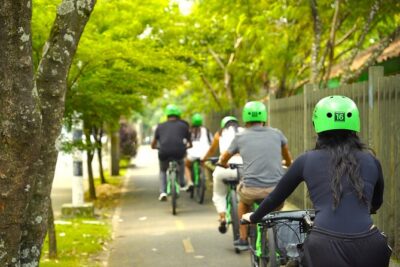
Half Day Bike Tour in Medellin – Local snack, Coffee or Beer
Read our review →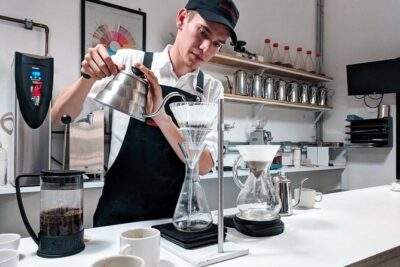
Half-Day Coffee Tour: From the Seed to the Cup, Farm & roastery
Read our review →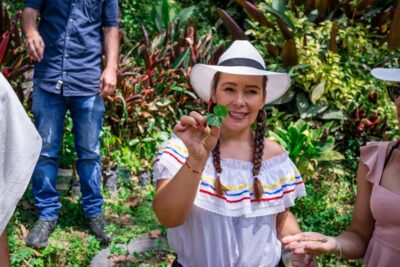
Coffee Tour with Transport, Snacks and Tastings
Read our review →
Electric Bike City Tour Medellin With Colombian Coffee and Snack
Read our review →
Private Coffee Farm Tour in Medellin: Real Authentic Experience
Read our review →
Guatape & Coffee Farm & El Peñol Rock & Quaint Town: Best Combo
Read our review →
Coffee tour in Medellín with tastings and transportation
Read our review →Browse the lists this tour appears in