REVIEW · BOGOTÁ TOURS
Bogotá: Discover Local Breakfast Traditions & Tastings
Breakfast tells Bogotá’s story. This morning food walk brings you to five different restaurants for Colombian specialties, then adds a stroll through La Candelaria and Bogotá’s newer center. I like the way it combines eating with local culture, and I like that the short walking route helps you get your bearings early in your visit.
The food is the main event, with changua, caldo de costilla, fruit, coffee, hot chocolate, and possibly regional treats such as arepa de huevo. The main consideration is that this is a tasting tour rather than a long sit-down breakfast, so you should arrive hungry but ready to sample small portions at several stops.
In This Review
- Key points to know before booking
- Why a Bogotá breakfast tour makes sense
- Starting in La Candelaria at 8:30 a.m.
- Changua, Bogotá’s warm morning soup
- Caldo de costilla and the case for a hearty breakfast
- Caribbean arepa de huevo adds a regional turn
- Fruit, coffee, and hot chocolate slow the pace
- Chocolate with cheese is a memorable finale
- The walking route and group size
- Is $35 a fair price?
- Who should book this morning walk?
- Final decision: book it for variety and local context
- FAQ
- Where does the Bogotá breakfast tour start?
- What time does the tour begin?
- Where does the activity end?
- How long does the tour last?
- How many restaurants are included?
- Is bottled water included?
- What happens if I cancel?
Key points to know before booking
- Five breakfast stops: You sample different Colombian morning foods instead of eating one large meal in one restaurant.
- Bogotá specialties included: Changua and caldo de costilla offer a direct taste of local breakfast customs.
- Regional food may appear: One guide added arepa de huevo from Colombia’s Caribbean coast, giving the tour a wider national scope.
- Coffee, chocolate, and fruit matter too: The tastings include drinks and fresh produce, not only hot dishes.
- A useful first-morning activity: The walk begins at 8:30 a.m. in La Candelaria and ends back at the same place after roughly two to three hours.
- Good value at $35: The fee includes the different Colombian breakfast foods, though bottled water is your responsibility.
Why a Bogotá breakfast tour makes sense
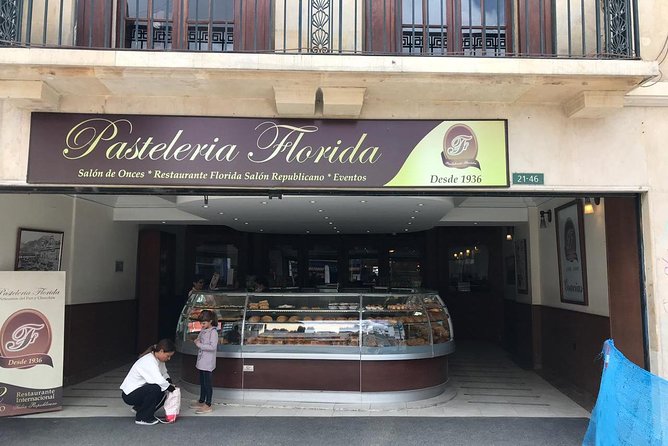
Bogotá’s breakfast table is not built around one universal dish. Morning food can mean a warm soup, a bowl of beef broth, a hot drink, fruit, bread, or a regional specialty. That makes a tasting walk more useful than simply ordering one plate and moving on.
I like this format because it gives you several points of comparison. You can notice how a light fruit stop differs from a heavy soup, or how hot chocolate changes when served with cheese. You also hear why certain foods belong to Bogotá and why others come from another part of Colombia.
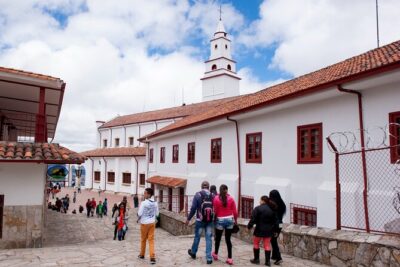
The walking portion adds context without taking over the morning. You begin near The Cranky Croc Hostel at Cl. 12d #3-56 in La Candelaria, then walk through the historic center and the newer center. The route is described as an easy walk, but you should still wear comfortable shoes and leave room for a morning of eating.
The tour takes about two to three hours. That is long enough for a proper introduction, yet short enough to leave your afternoon free for museums, churches, markets, or a longer city outing. Since the starting time is 8:30 a.m., it also fits well on your first full day in Bogotá, when an early orientation can help you understand where you are.
More things to do in Bogota:
- Bogotá Bike Tour
★ 5.0 · 3,329 reviews - Bogota: Bicycle City Tour
★ 4.9 · 2,156 reviews - Zipaquirá: Salt Cathedral Group Tour with Pickup
★ 4.8 · 1,606 reviews
Starting in La Candelaria at 8:30 a.m.
The meeting point is The Cranky Croc Hostel in La Candelaria. You finish at the same place, which keeps the logistics simple. The area is served by public transportation, and confirmation is provided when you book.
The first walk takes you around the historic center and the newer center of Bogotá. The description does not promise a full sightseeing tour, so I would treat the walk as useful background rather than a replacement for a dedicated city tour. Its value is in connecting breakfast foods to the streets and districts where you are spending your morning.
An early start has two benefits. You get breakfast before the day warms up, and you have the rest of the day available. The drawback is equally clear: an 8:30 a.m. meeting may feel early if you are adjusting to a new time zone or staying far from La Candelaria.
The group can include up to 30 people. That is a fairly large maximum for a food walk. A group of that size can make restaurant seating and conversation less intimate, though the actual number may be smaller. If you prefer personal attention, the guide’s role becomes especially important.
Changua, Bogotá’s warm morning soup
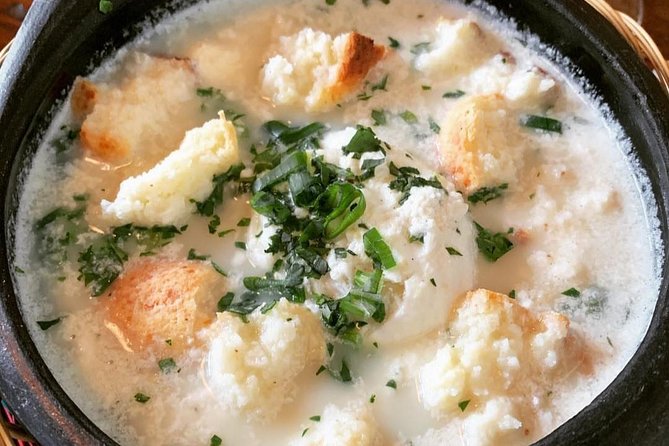
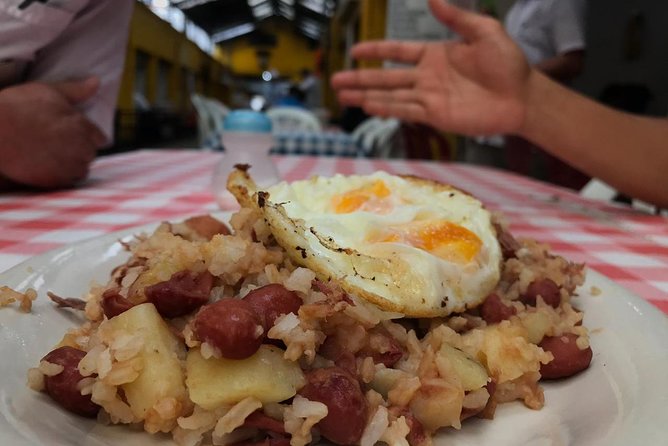
Changua is one of the most distinctive foods associated with breakfast in Bogotá. It is a warm soup made with milk and eggs, and it is exactly the sort of dish that makes this tour more than a standard café crawl.
One of the guides, Andrea, explained that changua was adopted by the Spanish from Indigenous people. That small piece of background changes how you taste it. You are not simply trying a soup. You are tasting a dish shaped by Colombia’s meeting of cultures.
The appeal is practical as well as cultural. Bogotá mornings can feel cool, and a hot bowl gives you a gentle start. If you are used to a sweet breakfast, changua may take a little adjustment. Its mild, savory character is quite different from pastries or cereal.
Because you visit several places, you may not need to finish every serving. One useful tip from the tour is to ask permission to try a dish without eating the entire portion. That is sensible advice here. Pace yourself, especially if the route includes several heavy foods later.
Caldo de costilla and the case for a hearty breakfast
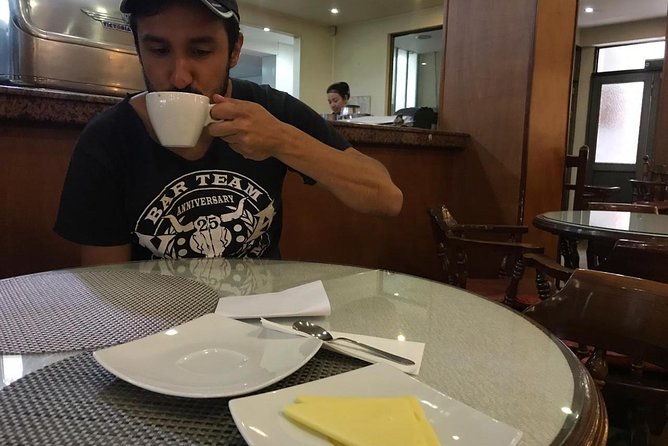
Caldo de costilla is another substantial Colombian morning dish. It is a beef rib broth, and Andrea described it as a good hangover cure. The appeal is easy to understand: a hot broth with tender beef feels filling, restorative, and far more serious than a quick cup of coffee.
I would pay attention to portion control at this stop. Caldo de costilla can make you feel full early in the tour, while the schedule still includes other foods. The point is to learn and taste, not to win a breakfast-eating contest.
This is also a good place to ask your guide about how breakfast changes across Colombia. The tour’s food choices show that morning meals are not limited to one city or one style. Bogotá has its own soups, while other stops introduce foods from farther away.
For someone who wants only a light breakfast, the heavier soups may be the least appealing part of the morning. For you, that could be a drawback if you prefer fruit and coffee. For anyone curious about ordinary Colombian food, though, these broths are among the most useful tastings on the route.
A completely different kind of day:
- La Candelaria, Monserrate and Museums Bogotá Private City Tour
★ 5.0 · 1,567 reviews - Shared Tour of the Historic Candelaria in Bogotá
★ 5.0 · 1,551 reviews - Bogotá: Guided La Candelaria Walking Tour
★ 4.8 · 1,229 reviews - Graffiti Tour: a fascinating walk through a street art City
★ 5.0 · 1,074 reviews
Caribbean arepa de huevo adds a regional turn
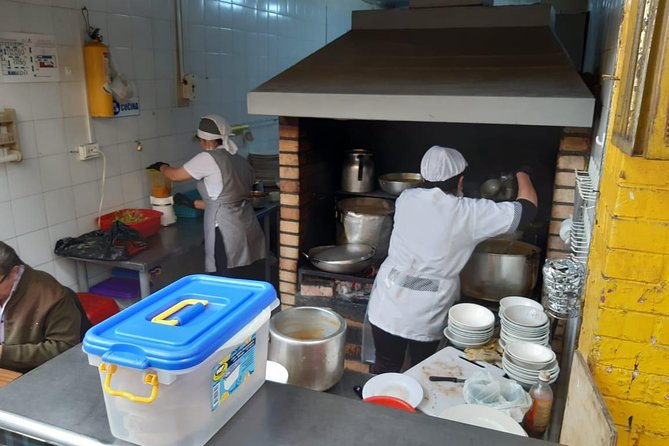
Andrea added a stop for arepa de huevo, a specialty from Colombia’s Caribbean coast. This is a useful surprise because it widens the tour beyond Bogotá without requiring a separate regional food trip.
Arepa de huevo combines an arepa with egg, and it is served with sauces. The sauces matter because they let you change the flavor from bite to bite. It is the kind of snack that feels direct and satisfying, with no need for elaborate presentation.
The additional stop also shows one advantage of a flexible food walk. The exact meal can depend on the guide and the places visited. Andrea included this extra tasting, but you should not assume every guide will make the same addition. The core promise is different Colombian breakfast food at several places, while individual stops may vary.
If you are counting calories or trying to keep breakfast very small, a fried or filling arepa may be more than you want. If you want a taste of Colombia beyond the capital, it is a strong addition.
Fruit, coffee, and hot chocolate slow the pace
A fruit stop provides a needed change after the soups and arepa. Colombia is known for its wide range of fruit, and one guide used the stop to explain the country’s diversity. The information is valuable because fruit is not treated as decoration here. It becomes a way to talk about different growing regions and food habits.
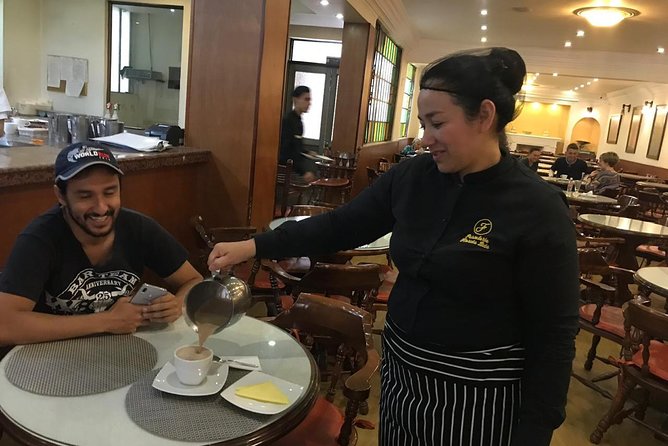
The tour also includes coffee and hot chocolate at different stops. That variety matters. Coffee is the drink many people expect from Colombia, but hot chocolate is just as important to the breakfast table. Trying both gives you a better sense of the range of Colombian morning routines.
The coffee and chocolate stops also help break up the meal. Instead of moving from one heavy dish to another, you get warm drinks and a lighter tasting in between. Still, the exact order is not specified, so I would not plan the morning around a particular sequence.
You should bring your own bottled water. It is not included, and walking while eating several different foods makes hydration useful. A reusable bottle is a practical choice if you already have one, but the essential point is simple: do not expect water to be supplied.
Chocolate with cheese is a memorable finale
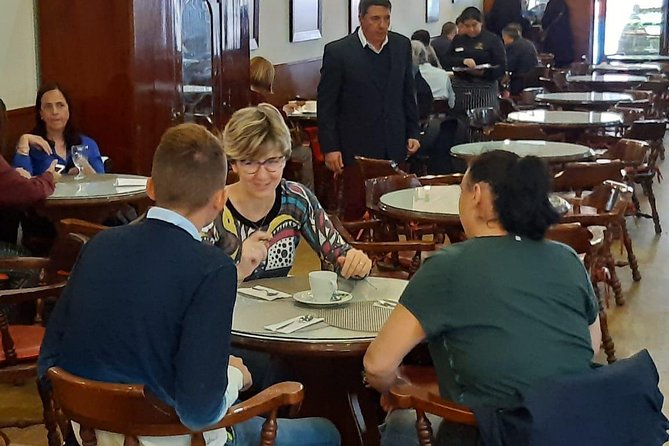
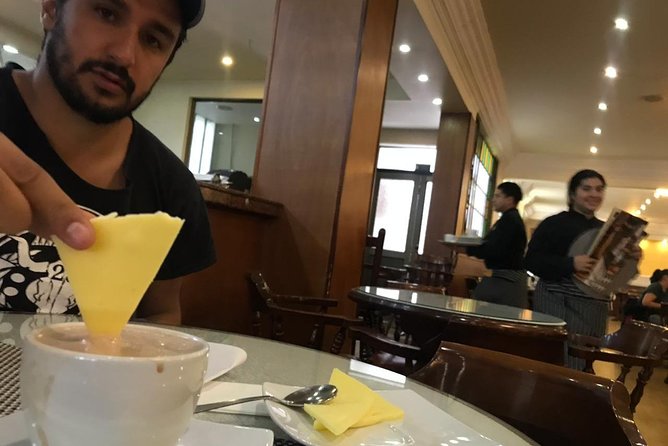
The chocolate stop may be the most playful part of the morning. At a chocolatier, Andrea discussed Colombia’s cocoa and the way local producers are developing their own approach to chocolate. The tasting included chocolate with cheese, a pairing that may sound odd until you try it.
Sweet chocolate and salty cheese work together in a way that is both simple and surprising. It also gives you a good reason to slow down at the end rather than rushing from restaurant to restaurant. If you have never tried the combination, this is the sort of small food discovery that can stay with you after the tour.
I would not book this activity only for chocolate, since the main value comes from the full range of stops. But the chocolate tasting adds variety and helps the tour finish on a lighter, more memorable note.
Guides named Melissa, Yuly, and Andrea have each been praised for making the food understandable and connecting it to Colombian history and culture. That is important because the dishes are not all self-explanatory. A guide who can explain why a soup belongs to Bogotá or how a regional dish fits into Colombia gives the tasting much more value.
The walking route and group size
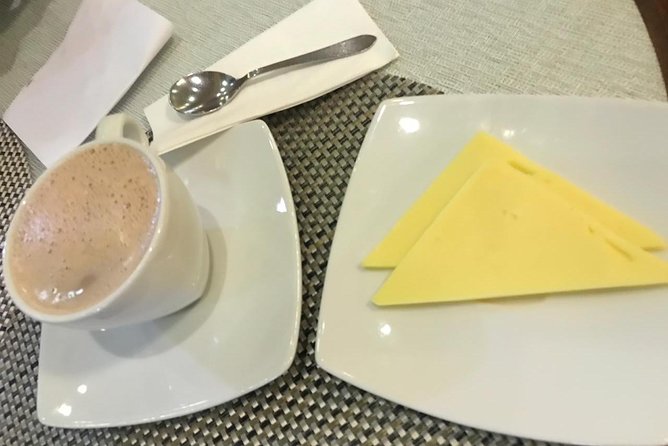
The route centers on La Candelaria and extends toward Bogotá’s newer center. You are walking between food stops rather than riding from place to place, so the tour gives you a practical first look at central Bogotá.
The route is described as an easy walk. Even so, you should wear shoes that are comfortable for two hours on city streets. The tour is not presented as a strenuous hike, but eating several times while walking is still more active than sitting in one restaurant.
A maximum of 30 people is allowed. That number is worth noting before you book. A larger group can make the experience less personal, and it may take longer to gather everyone at each stop. On the other hand, the route is simple, the duration is short, and the guide can keep the morning moving.
Most people can participate, and service animals are allowed. Public transportation is nearby, which helps if you are not staying in La Candelaria. The tour returns to the starting point, so you do not need to arrange a second pickup location.
Is $35 a fair price?
At $35 per person, this is a fair buy if you value trying several foods and getting basic cultural context at the same time. The fee includes the different Colombian breakfast tastings at each place. You are paying for food, guiding, and a planned route, not just for a plate of breakfast.
The value improves if you are new to Bogotá and do not yet know what to order. A guide can point you toward dishes you might otherwise overlook, such as changua or chocolate with cheese. You also finish with ideas about where to return for breakfast on your own.
The value is weaker if you want a large, leisurely meal. Five stops mean portions may be tasting-sized, and the morning is designed around variety. You may still want lunch at the normal hour, especially if you prefer small samples to a full breakfast.
I also like that the tour does not require a full day. Two to three hours gives you a useful introduction without consuming a major part of your schedule. For $35, that balance makes sense for a first or second morning in Bogotá.
Who should book this morning walk?
I would recommend it to you if you enjoy trying local food but want some guidance with unfamiliar dishes. It is also a good fit if you want a gentle introduction to central Bogotá before visiting the city on your own.
The tour suits people who like variety. You can try soup, beef broth, fruit, coffee, hot chocolate, arepa de huevo, and chocolate with cheese in one morning. That range is the strongest reason to choose it.
It may not suit you if you dislike walking, need a quiet private meal, or prefer to know the exact menu in advance. The group may reach 30 people, and individual stops can vary. People with strict dietary restrictions should also contact the provider before booking, since the supplied information does not specify substitutions or allergen handling.
Book with the weather in mind. The activity requires good weather, and poor conditions may lead to a new date or a full refund. Free cancellation is available if you cancel at least 24 hours before the start time. Changes or cancellations within 24 hours are not refunded.
Final decision: book it for variety and local context
I would book this tour if I had just arrived in Bogotá and wanted a useful first morning. The combination of five food stops, an easy central walk, and explanations from guides such as Andrea, Melissa, and Yuly gives you more than breakfast alone.
Come hungry, but do not try to finish every tasting simply to keep up. Bring water, wear comfortable shoes, and keep the morning open for a little flexibility. If you want a polished restaurant meal, choose something else. If you want to understand Bogotá through changua, caldo de costilla, fruit, coffee, chocolate, and a few unexpected bites, this $35 walk is a sound choice.
FAQ
Where does the Bogotá breakfast tour start?
It starts at The Cranky Croc Hostel, Cl. 12d #3-56, in La Candelaria, Bogotá, Colombia.
What time does the tour begin?
The start time is 8:30 a.m.
Where does the activity end?
The activity ends back at the meeting point at The Cranky Croc Hostel.
How long does the tour last?
It lasts approximately two to three hours.
How many restaurants are included?
The experience includes specialty dishes at five different restaurants.
Is bottled water included?
No. You should bring your own bottled water.
What happens if I cancel?
You can receive a full refund if you cancel at least 24 hours before the experience start time. Cancellations or changes made less than 24 hours in advance are not refunded or accepted.
Just added in Bogota
- Tour of Zipaquirá: Visit the Salt Cathedral and the main squares★ 4.5 · 55 reviews
- Catedral de Sal desde Bogotá en Tren★ 5.0 · 5 reviews
- Zipaquirá and Salt Cathedral Muisca Heritage with Guide – Private★ 4.5 · 23 reviews
- Botanical Garden Bogotá Private Tour (4 Hrs.)★ 5.0 · 13 reviews
- Zipaquira Salt Cathedral★ 4.5 · 12 reviews
- LOCAL GUIDE Zipaquirá PRIVATE TOUR – Salt Cathedral and Salt Oven★ 5.0 · 24 reviews
- Zipaquirá Salt Cathedral: An architectural wonder.★ 4.5 · 24 reviews
- Private Zipaquira Salt Cathedral and Guatavita Lagoon Tour from Bogota★ 4.5 · 44 reviews
Bogotá Tours, compared.
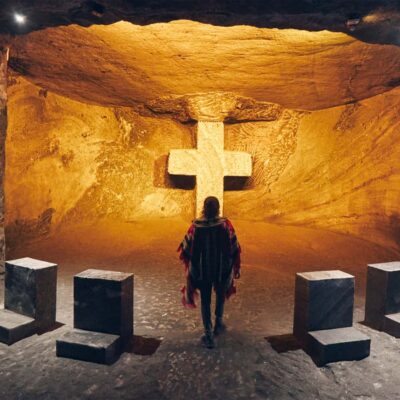
Zipaquirá: Salt Cathedral Group Tour with Pickup
Read our review →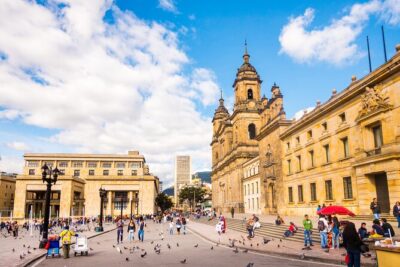
La Candelaria, Monserrate and Museums Bogotá Private City Tour
Read our review →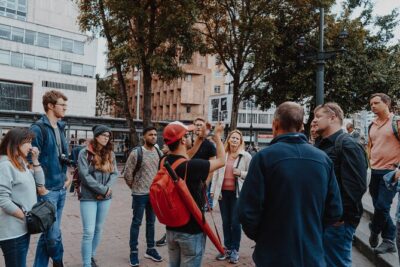
Shared Tour of the Historic Candelaria in Bogotá
Read our review →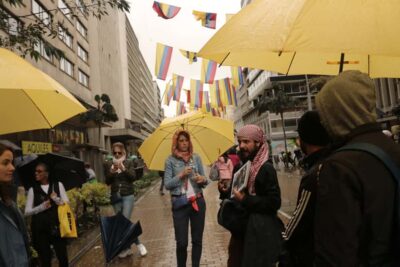
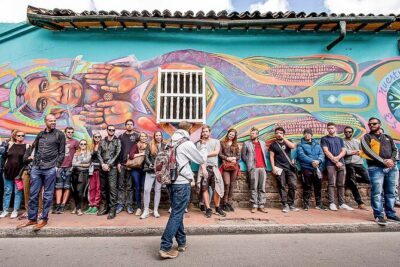
Graffiti Tour: a fascinating walk through a street art City
Read our review →