
REVIEW · CACAO AND CHOCOLATE WORKSHOPS
Bean to Bar: Cocoa and Chocolate Workshop
Chocolate has a story worth tasting. This private 105-minute workshop in Bolívar takes you from cacao bean to finished treat, with a look at roasting, separation, cacao varieties, and the work inside a real chocolaterie. I like the hands-on format, and I especially like that you can make bonbons, truffles, or chocolate bars instead of simply watching a demonstration. The main consideration is the $101 price, which is a fair spend for a private class but a lot for a short activity.
I also like the strong teaching element. Alejandra, known as Ale, has been praised for her energy, patience, and ability to answer questions about the bean, harvest, ecology, and chocolate production. The workshop is also a smart rainy-day choice in Cartagena and can offer a close look at local production without taking up an entire afternoon.
In This Review
- Key Details Before You Book
- Meeting the Chocolaterie on Arsenal Street
- From Cacao Bean to Chocolate
- Tasting Five Styles of Chocolate
- Making Your Own Bonbons, Truffles, or Bars
- Why Alejandra Makes a Difference
- A Rainy-Day Activity With Local Character
- Is $101 a Good Value?
- Who Should Book This Workshop?
- Practical Tips for a Better Class
- Should You Book It?
- FAQ
- How long does the Bean to Bar workshop last?
- Where does the chocolate workshop meet?
- What languages are available?
- Is this a private activity?
- What kinds of chocolate are included?
- Is the workshop suitable for people with food allergies?
Key Details Before You Book
- A private class for 105 minutes: You get a more personal setting than a large group demonstration, with English or Spanish instruction.
- Several cacao percentages: Taste and work with white chocolate at 40 percent, milk chocolate at 46 percent, dark chocolate at 80 percent, pure cocoa at 100 percent, and blends.
- A real production setting: The workshop takes place in a fully equipped chocolaterie with machinery and a local chocolate production area.
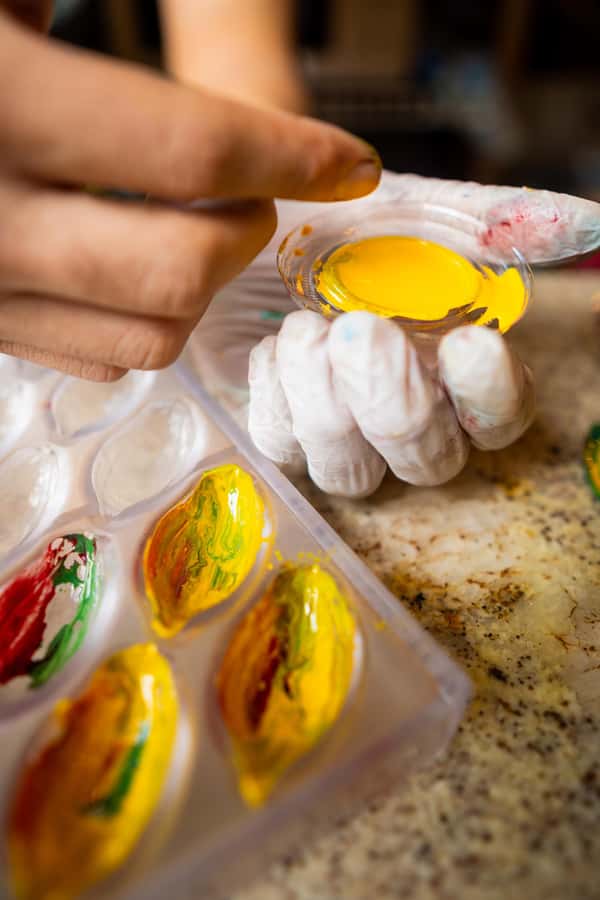
- Hands-on chocolate making: You may create bonbons, truffles, or chocolate bars under artisan guidance.
- A convenient indoor plan: The activity works well when hot or rainy weather disrupts outdoor sightseeing.
- Food allergy warning: This activity is not suitable for people with food allergies.
Meeting the Chocolaterie on Arsenal Street
The meeting point is easy to identify if you are near Arsenal Street. Look for a two-story pink building at the beginning of the street, around the corner and across from the convention center. Wooden barrels outside advertise free hugs, which makes the place hard to miss.
At arrival, the host takes you to the exact room where the workshop happens. That small extra step matters in a city where signs can be less obvious than you expect. You do not need to guess which door leads to the class.
The setting gives the workshop more weight than a basic chocolate tasting. You are entering a working chocolaterie with machinery, tools, and a production area. One important detail: if you attend on a Sunday, the production space may be quiet, with no one actively working at that moment. That does not cancel the value of seeing the area, but you should not expect a nonstop factory show.
The building itself also helps frame the activity. You are not being taken far outside the city for a farm visit. Instead, you get a compact look at how cacao is handled and transformed in an urban workshop setting. That makes this a good fit if your schedule is tight.
A few more options to weigh up in Cartagena
- Rum and Chocolate Tasting in Cartagena
★ 5.0 · 360 reviews - Boutique Rum and Chocolate Tasting at Lunático
★ 5.0 · 328 reviews - Cartagena: Boutique Rum and Chocolate Tasting at Lunático
★ 4.9 · 121 reviews
From Cacao Bean to Chocolate
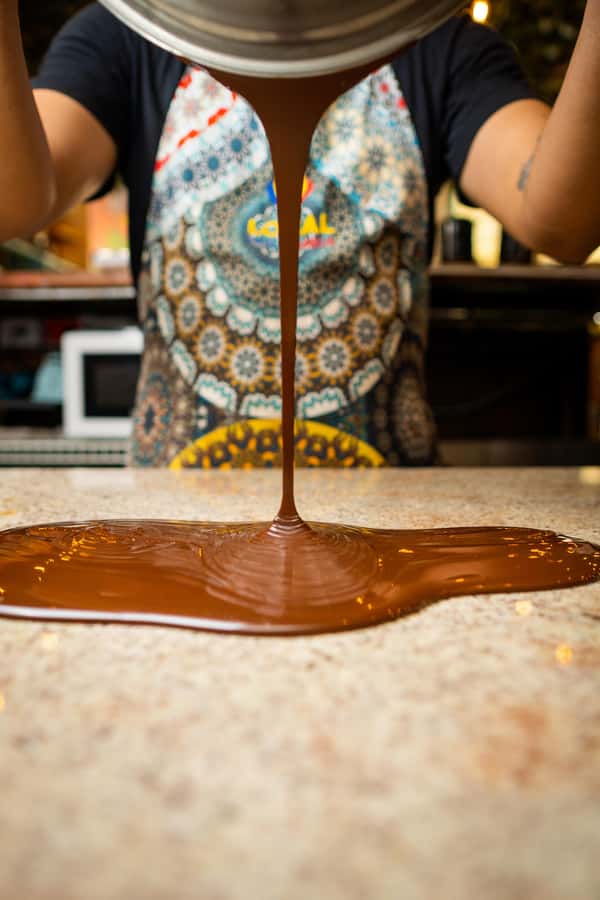
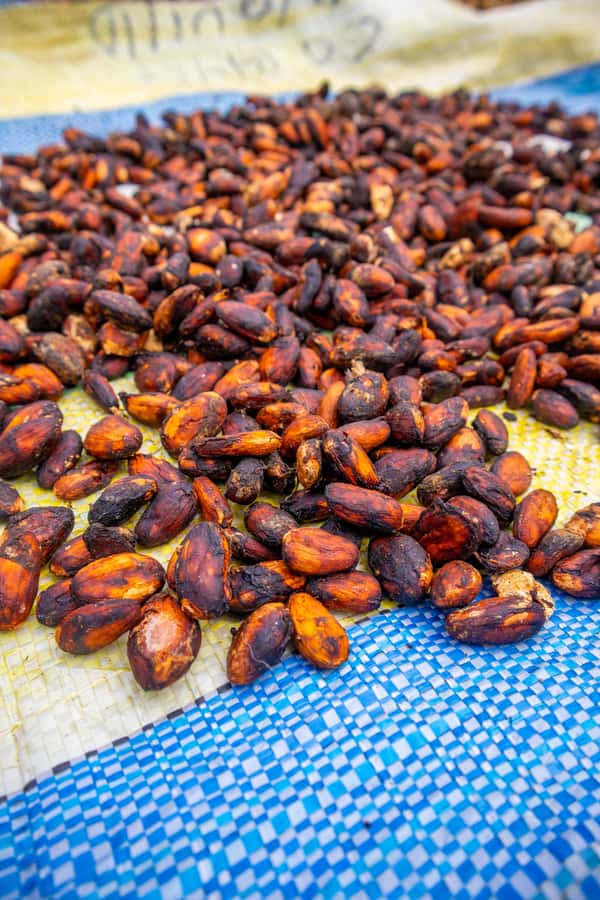
The opening part explains the path from raw cacao to finished chocolate. You learn about roasting and separation, two steps that help explain why chocolate tastes the way it does.
Roasting is not just about heating beans until they smell good. It affects aroma and flavor, so the process gives you a useful connection between the raw ingredient and the bar in your hand. Separation helps show how the bean is broken down and prepared for later stages. You may not become a chocolatier in 105 minutes, but you will understand why careful handling matters.
The workshop also places cacao varieties in a Colombian context. That national focus is one of the activity’s most valuable features. You are not only learning a general recipe for chocolate. You are hearing why different cacao varieties matter and how the raw material shapes the finished product.
That is where the workshop moves beyond a sweet snack. Cacao has an agricultural side, an ecological side, and a production side. Alejandra’s teaching has been praised for covering the bean, harvest, and ecology along with the practical chocolate-making steps. If you like food activities that explain where ingredients come from, this section should carry much of the value.
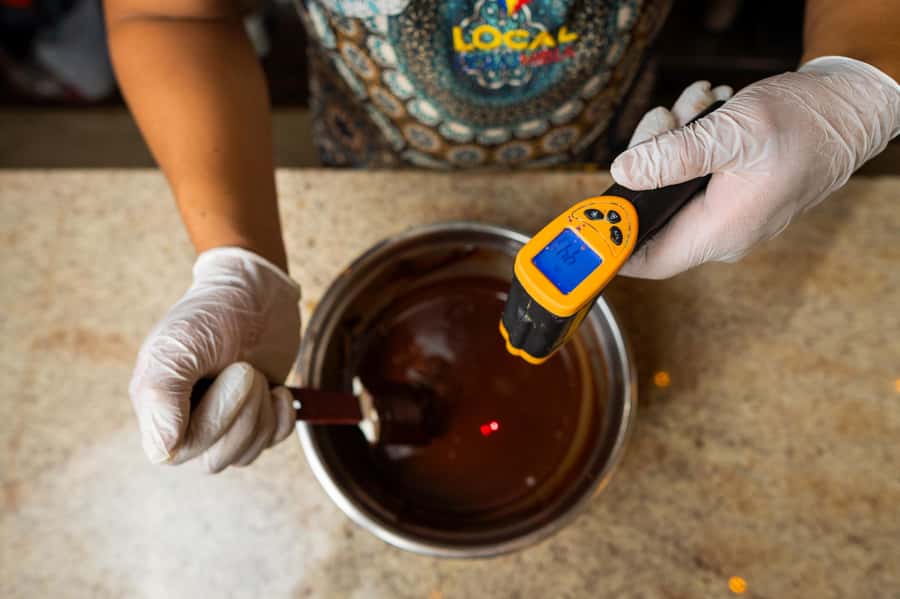
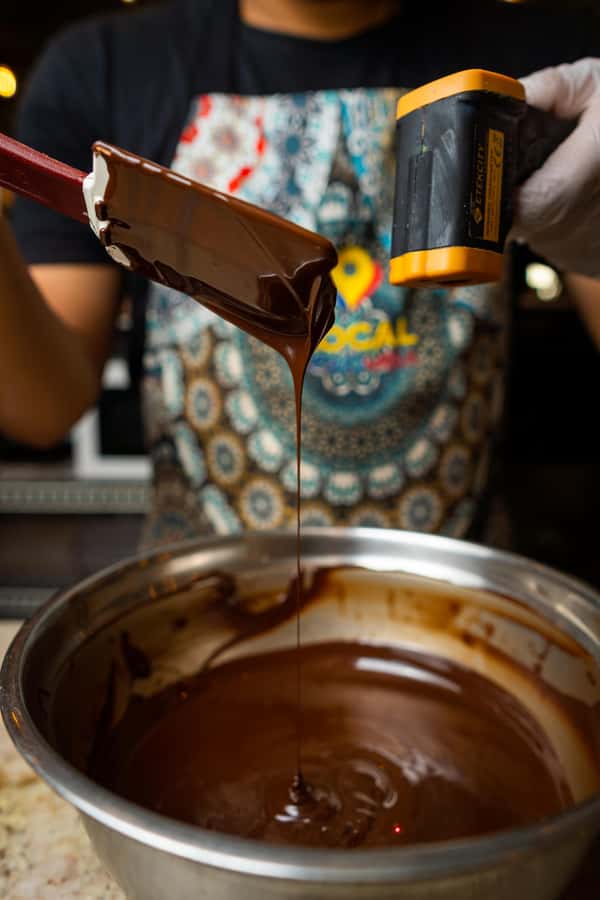
Some preparation may already be completed before you arrive. That is practical rather than disappointing. Chocolate work involves timing, temperatures, and processes that do not fit neatly into a 105-minute class. Prepping certain stages in advance lets you spend more of your visit on tasting, learning, and making your own chocolate.
Tasting Five Styles of Chocolate

The included chocolate covers a useful range of percentages and origins. You may work with white chocolate at 40 percent, milk chocolate at 46 percent, dark chocolate at 80 percent, pure cocoa at 100 percent, and blends of these types.
This range gives you a simple lesson in taste. White chocolate is sweeter and creamier, while 80 percent dark chocolate brings more bitterness and a stronger cocoa character. Pure cocoa at 100 percent is an even sharper comparison. Milk chocolate sits between those extremes, and blends show how makers balance flavor and texture.
The tasting also helps you avoid treating all chocolate as the same product. Percentage is not the whole story, but it gives you a useful starting point. You can compare the samples and notice how different cacao origins and recipes change the result.
I would pay attention here rather than rushing toward the decorating stage. The tasting is your chance to connect the earlier explanation of roasting and cacao varieties with your own palate. If you have only eaten familiar supermarket chocolate, the contrast can be striking.
The supplied information does not promise a separate formal tasting flight, so think of these chocolates as working ingredients and samples within the class. The important point is that you have several types available, not just one standard mixture.
Making Your Own Bonbons, Truffles, or Bars
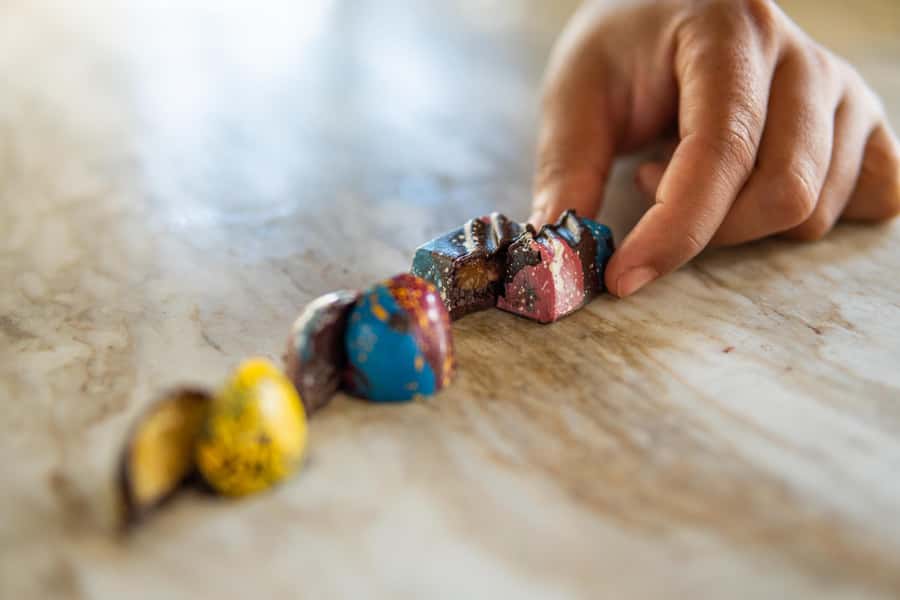
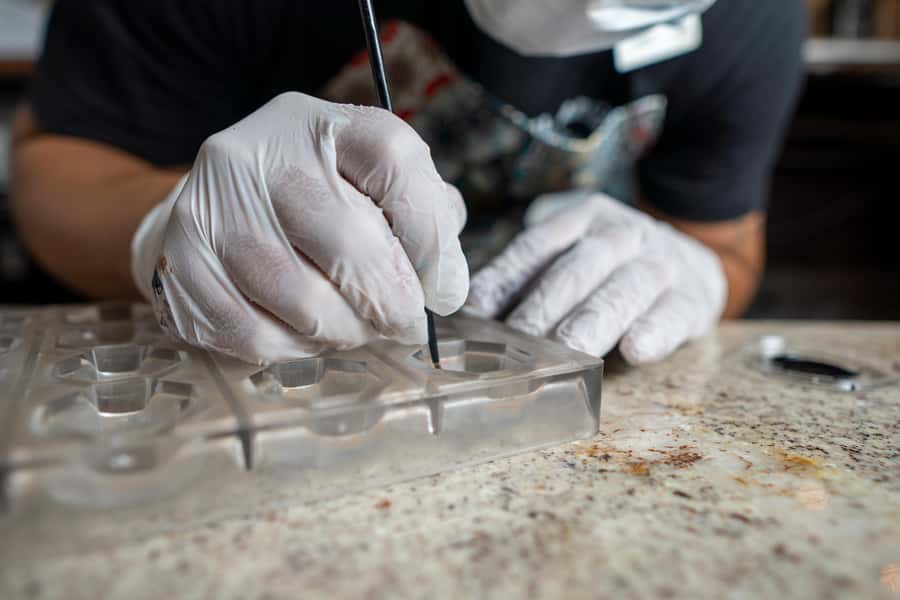
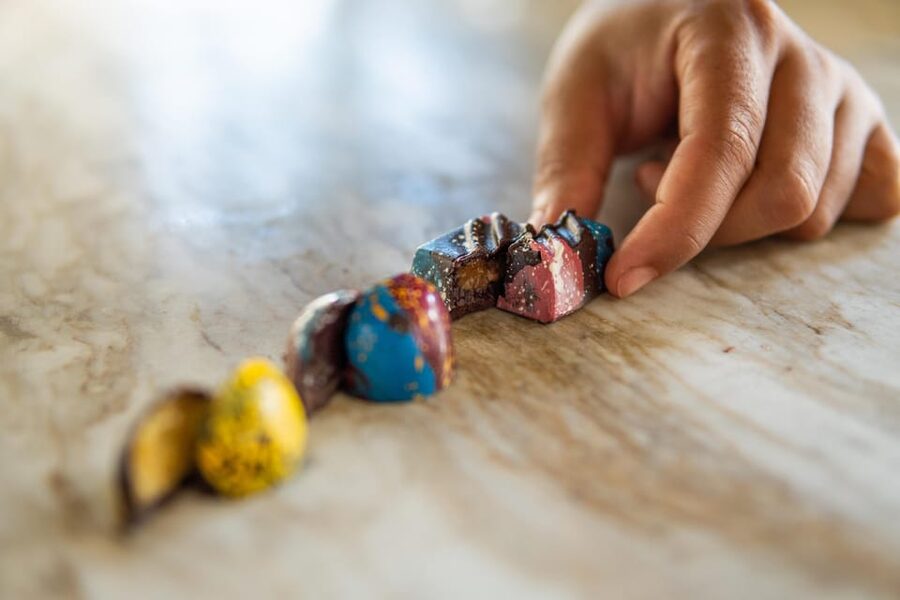
The most appealing part for many people is the chance to make something yourself. Under the direction of the artisans, you can craft bonbons, truffles, or chocolate bars.
That choice gives the class a creative edge. You are not following a single rigid result. You get a chance to decide what kind of chocolate treat suits you, then use the guidance provided. A beginner can follow the basic process, while someone who already enjoys baking or confectionery can focus on presentation and experimentation.
Bonbons and truffles suit people who enjoy small, finished pieces. Chocolate bars offer a simpler shape and may feel more approachable if you want the pleasure of making something without too much fuss. The exact choice and decoration options are not specified, so do not arrive expecting a long menu of fillings or unlimited design tools.
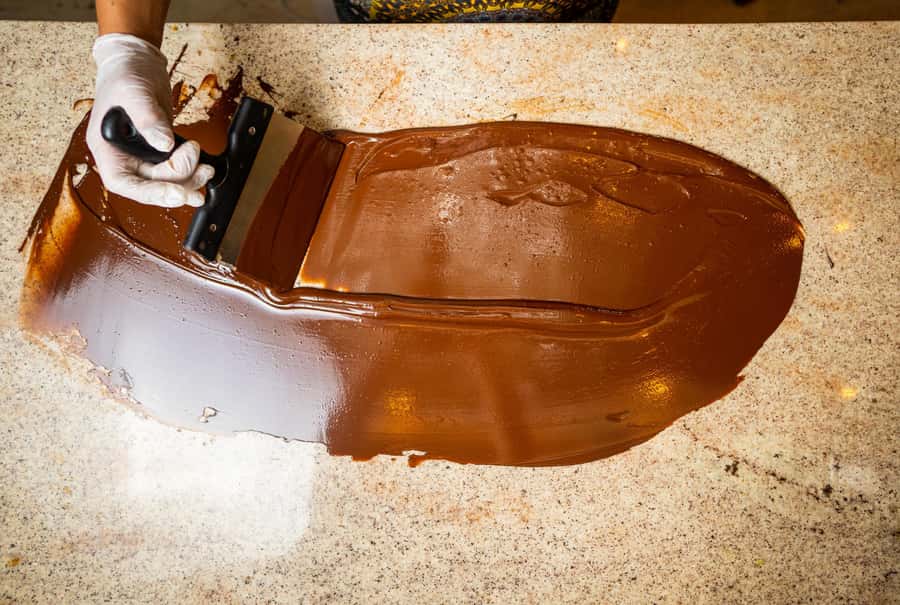
The workshop encourages you to experiment, which is important. Chocolate work can look easy until you try to control it. Texture, proportions, and handling all affect the finished piece. The class gives you a safe place to make mistakes, ask questions, and learn why the artisans do things in a certain order.
Wear clothing that can handle stains. Chocolate has a talent for finding the one shirt you hoped to keep clean. Comfortable clothes also make it easier to work at the table for the full session.
More bars and breweries in Cartagena:
- Cartagena: Sunset Cruise with Open Bar
★ 4.7 · 514 reviews - Sibarita Master 85′ luxury 90 min Sunset Tour Open Bar
★ 4.5 · 244 reviews - Cartagena: Pub Crawl with Dancing Lessons and Free Shots
★ 4.2 · 211 reviews - Cartagena de Indias: Sunset Cruise Open Bar with Dance Show
★ 4.1 · 76 reviews
Why Alejandra Makes a Difference
A food workshop depends heavily on the person leading it. Here, Alejandra has received especially strong praise for her enthusiasm, clear answers, and passion for the chocolate process.
That matters because cacao can quickly become a list of technical terms. A good guide turns those terms into something you can understand and taste. Alejandra’s teaching covers more than the final product, including the bean, harvest, ecology, and hands-on production.
The class is offered in English or Spanish. That makes it easier to ask questions about the details that interest you most. You can ask about cacao percentages, roasting, separation, Colombian varieties, or the steps used in your own creation.
Since the group is private, you are not simply trying to keep up with a large class. The format should give you more room to ask questions and move at a comfortable pace. The exact amount of individual attention will depend on the group and the instructor, but private status is a meaningful benefit at this price.
A private class can also be a good choice for couples, families, or friends who want a shared activity. You can learn together and compare the treats you make at the end.
A Rainy-Day Activity With Local Character
Cartagena and the Bolívar region are not always kind to outdoor plans. Heavy rain or punishing heat can send you searching for an indoor activity, and this workshop fits that need well.
The indoor setting is more than a backup plan. You get a practical look at local chocolate production, along with a food lesson tied to Colombian cacao. That makes it more satisfying than simply waiting out bad weather in a café.
The workshop also offers an authentic connection to place without claiming to be a full farm tour. You will not be visiting a cacao plantation based on the information provided. Instead, you are seeing the transformation stage in a city chocolaterie and learning why Colombian cacao varieties matter.
That distinction helps set expectations. If your main goal is to walk through cacao fields, meet farmers, and see pods growing on trees, this is not that activity. If you want to understand what happens after the beans arrive at a production space, it is a better match.
Is $101 a Good Value?
At $101 per person, this is not a bargain activity. The price makes more sense if you value a private group, bilingual instruction, access to a production area, multiple chocolate types, and the chance to make your own treats.
The 105-minute length is long enough for a real introduction but short enough to fit between other Cartagena plans. You are paying for instruction and participation, not just a box of chocolate. The private format is the biggest factor in the value calculation.
For a solo visitor watching costs, the price may feel high for less than two hours. For a couple or small private group seeking a special indoor activity, the personal format may justify it. The perfect audience is someone who cares about food craft and wants to ask questions rather than simply sample a finished product.
The full score from five published ratings supports the idea that the class delivers a strong experience, especially in its teaching, taste, and hands-on elements. Still, ratings cannot remove the price question. Decide based on how much you value a focused food activity.
Flexible booking helps reduce the risk. You can cancel up to 24 hours in advance for a full refund, and you can reserve now while paying later. You will need to provide an email and phone number with area code so the confirmation and calendar reminder can reach you.
Who Should Book This Workshop?
I would recommend it most strongly to:
- Chocolate lovers who want more than a tasting
- Couples or families looking for a private activity
- Food-focused visitors interested in Colombian cacao
- People who enjoy making something with their hands
- Anyone needing a worthwhile indoor plan
- Visitors comfortable wearing stain-friendly clothing
It may not suit people with food allergies, since the activity is specifically marked as unsuitable for them. It may also disappoint anyone expecting a farm visit, a long factory tour, or a large-scale production show.
The workshop is a particularly good match if you want to leave Cartagena with a better understanding of how chocolate is made. You will not master every technical detail, but you should come away with a clearer sense of how cacao variety, roasting, separation, and recipe choices shape the final treat.
Practical Tips for a Better Class
Arrive at the pink building near the start of Arsenal Street and look for the wooden barrels outside. The host will guide you to the actual workshop location, so you do not need to search through the building alone.
Wear comfortable clothing that you do not mind staining. This is a working class, not a polished photo session, and chocolate does not always stay where you put it.
Bring questions. Ask about the cacao origins, the difference between 80 percent dark chocolate and 100 percent cocoa, or why certain steps were completed before the class. You will get more from the session if you treat it as a conversation with the artisan rather than a passive demonstration.
If you attend on a Sunday, be ready for a quieter production area. A lack of active work does not prevent the class from teaching the process, but it does mean you may see equipment rather than a busy production floor.
Should You Book It?
Book this workshop if you want a private, hands-on introduction to Colombian chocolate and do not mind paying for a short but focused class. The strongest reasons to go are Alejandra’s engaging instruction, the range of cacao percentages, and the chance to make your own bonbons, truffles, or bars.
Skip it if food allergies make chocolate unsafe for you, or if your dream is a cacao farm visit. For everyone else, this is a smart indoor activity with real local character, especially when the weather turns sour. You may arrive looking for shelter from the rain and leave thinking much more carefully about what is inside your next chocolate bar.
FAQ
How long does the Bean to Bar workshop last?
The workshop lasts 105 minutes.
Where does the chocolate workshop meet?
Meet at the beginning of Arsenal Street, around the corner and across from the convention center. Look for a two-story pink building with wooden barrels outside promoting free hugs. The host will take you to the exact workshop location.
What languages are available?
The instructor can lead the activity in English or Spanish.
Is this a private activity?
Yes. The workshop is offered as a private group activity.
What kinds of chocolate are included?
The activity includes chocolate in several percentages and origins, including white chocolate at 40 percent, milk chocolate at 46 percent, dark chocolate at 80 percent, pure cocoa at 100 percent, and blends.
Is the workshop suitable for people with food allergies?
No. The activity is not suitable for people with food allergies.
Just added in Cartagena
- Private History Photography Tour★ 5.0 · 17 reviews
- Self-Guided Audio Tour: Pirate Tales in Cartagena★ 3.0 · 2 reviews
- Paue Island Tour in the Rosary Islands★ 5.0 · 1 review
- Totumo Volcano★ 3.5 · 15 reviews
- Palmarito Beach★ 3.5 · 4 reviews
- Party without limits! Cartagena; VIP Party.★ 4.5 · 32 reviews
- Paragliding Experience in Cartagena★ 5.0 · 8 reviews
- Tour cultural to san Basilio de Palenque from cartagena★ 5.0 · 45 reviews
Cacao and Chocolate Workshops, compared.
Chocolate Farm Private Tour in Medellin: Real Genuine Experience
Read our review →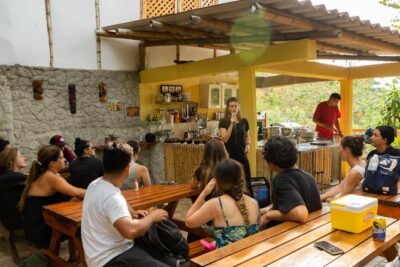
Eco-Hike in Minca: Coffee Tour, Waterfall & Chocolate Experience!
Read our review →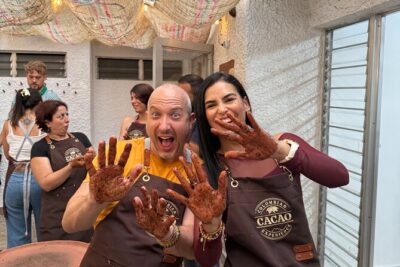
Colombian Cacao Experience | Chocolate Tour | BOOK NOW!
Read our review →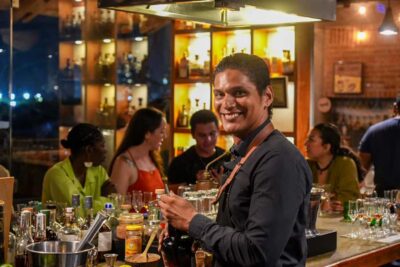
Boutique Rum and Chocolate Tasting at Lunático
Read our review →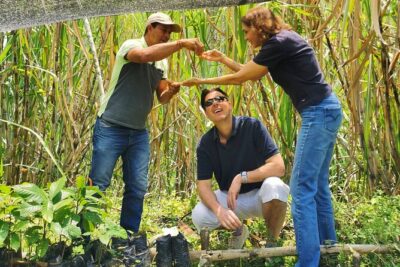
Coffee & Chocolate Private Tour in Medellin: Genuine Experience
Read our review →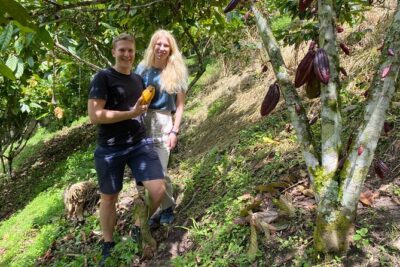
Browse the lists this tour appears in