
REVIEW · CACAO AND CHOCOLATE WORKSHOPS
Bean to Bar Chocolate Making Experience – by Lunático Experience
Chocolate starts with a bean, not a wrapper. In Cartagena, this hands-on workshop takes you through the full Colombian cacao process, from farm basics to finished bars. I like the practical work here: you roast, crack, winnow, grind, refine, temper, mold, and decorate the chocolate yourself. I also like the guided tasting, which compares single-origin Colombian chocolates and pairs them with red and white wine. The main consideration is the price, $99 per person, which is fair for a small, involved class but more than a quick chocolate tasting.
The class lasts about two and a half hours, begins at 2:00 pm, and finishes at the same Getsemaní meeting point. A maximum of 12 people keeps the group small enough for questions and hands-on attention. The experience has received a perfect 5 rating from six published ratings, with repeated praise for its calm setting, friendly team, clear instruction, and delicious final results.
In This Review
- Key points to know before booking
- Starting at Lunático Experience in Getsemaní
- From Colombian cacao farm to chocolate bar
- Roasting, cracking, and winnowing the beans
- Grinding cacao into paste and refining the mixture
- Tempering for shine and snap
- Molding, decorating, and taking your bars home
- Comparing single-origin Colombian chocolates
- Red and white wine pairings
- Is $99 per person good value?
- Who will enjoy this Cartagena chocolate class?
- Booking, weather, and cancellation details
- Should you book the Lunático chocolate experience?
- FAQ
- Where does the chocolate-making experience begin?
- What time does the experience start?
- How long does the experience last?
- Where does the experience finish?
- Is the activity offered in English?
- How many people can join the class?
- What will I make during the workshop?
- Are tastings included?
- Can I cancel for a full refund?
Key points to know before booking
- You make chocolate from raw cacao beans: Roasting, cracking, winnowing, grinding, refining, tempering, and molding are all part of the class.
- Colombian cacao is the star: You learn how harvesting, fermentation, and drying at the farm shape flavor.
- Wine is part of the lesson: Red and white wines are paired with single-origin chocolates at different cacao percentages.
- You take home your own bars: The finished chocolate is made and decorated by you during the workshop.
- The group is capped at 12 people: That gives the class a more personal feel than a large demonstration.
- The meeting point is in Getsemaní: Lunático Experience is at Av. Pedregal #29-225, with the activity ending there too.
Starting at Lunático Experience in Getsemaní
The experience begins at Lunático Experience, Cooking Classes & Rum Tasting, at Av. Pedregal #29-225 in Cartagena’s Getsemaní district. You should plan to arrive ready for a 2:00 pm start, since a chocolate class works best when the group begins together.
The location makes this easy to combine with other plans in central Cartagena. You do not need to arrange a separate transfer during the activity, since the experience starts and ends at the same place. The booking includes a mobile ticket, and the class is offered in English.
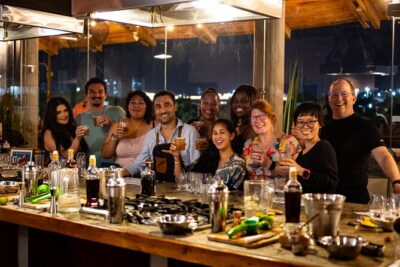
The group limit of 12 matters. Chocolate making has plenty of small steps, and you will want room to see the tools, handle the beans, and ask questions. A class this size should feel more like a workshop than a stage show, though the amount of individual help can still depend on how many people attend that day.
The atmosphere is described as calm and welcoming, which suits the subject. This is not a rushed sugar fix between sightseeing stops. You are given time to understand what is happening and why each stage affects the final taste.
A few more options to weigh up in Cartagena
- Rum and Chocolate Tasting in Cartagena
★ 5.0 · 360 reviews - Boutique Rum and Chocolate Tasting at Lunático
★ 5.0 · 328 reviews - Cartagena: Boutique Rum and Chocolate Tasting at Lunático
★ 4.9 · 121 reviews
From Colombian cacao farm to chocolate bar
The first part gives you the background needed to make sense of the work ahead. You learn where cacao comes from, how farmers harvest it, and what happens during fermentation and drying.
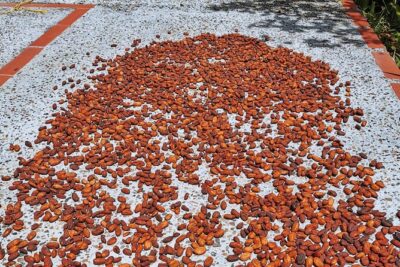
That farm-to-bar context is important because cacao beans do not taste like the chocolate you know at the shop. Fermentation helps create many of the flavors that later appear in the finished product. Drying also matters, since poor handling can affect quality before the beans ever reach a chocolate maker.
I like that the class does not treat chocolate as a single, fixed flavor. Colombian cacao can show different notes depending on its origin, processing, and cacao percentage. Once you understand those basics, the tasting later becomes more useful. You can connect a flavor in the cup or bar to a real stage in production.
The explanations are meant to be clear and practical. You are not expected to arrive with chocolate-making experience, and the class is designed to make the process understandable from the start.
Roasting, cracking, and winnowing the beans
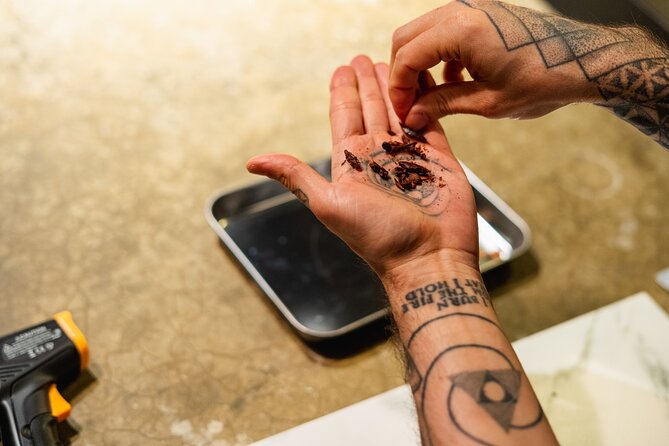
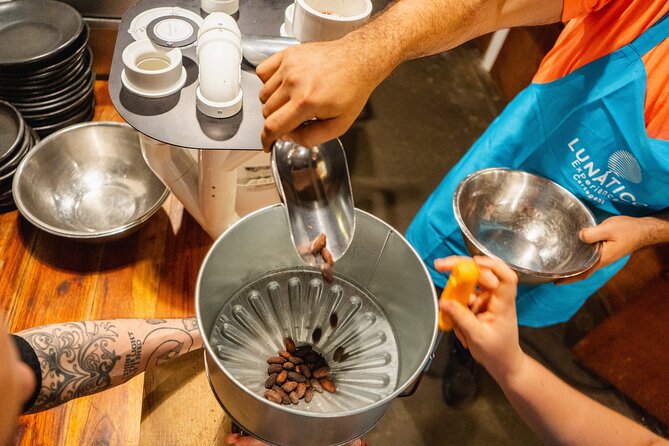
The hands-on work begins with the beans. You roast them, then crack them open and remove the outer husks in a process called winnowing.
Roasting is one of the first points where the maker can influence flavor. It helps develop the aroma and taste of the cacao, much as roasting changes the character of coffee. The class lets you see this change directly instead of treating roasting as an invisible factory step.
Cracking and winnowing are less glamorous, but they are useful parts of the lesson. You see that chocolate making is not simply melting a ready-made block and adding toppings. The bean needs to be cleaned and prepared before it can become smooth chocolate.
This is also where the activity earns its hands-on label. You are not only watching an expert explain the process. You are handling the ingredients and taking part in the transformation. For children, couples, and anyone who likes food with a bit of craft behind it, these steps make the class more memorable.
You should expect some repetition if everyone in the group needs time with the equipment. That is a small tradeoff for being involved rather than standing at the edge of a demonstration.
Grinding cacao into paste and refining the mixture
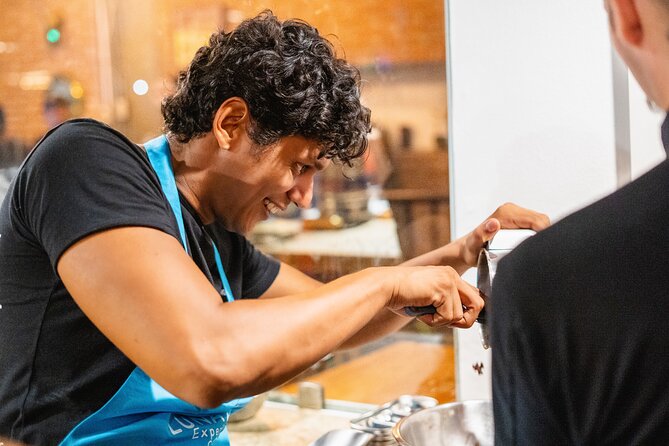
After the beans are prepared, you grind them into cacao paste. This stage shows how solid cacao becomes the base for chocolate.
The texture changes as the cacao is worked, and you get a better sense of why commercial chocolate is so smooth. Refining takes time and care. It affects how the finished bar feels in your mouth, not only how it tastes.
The class also helps separate cacao percentage from a simple good-or-bad scale. A higher percentage does not automatically mean a better bar. It usually means a more pronounced cacao flavor and less sweetness, while lower percentages may taste softer or sweeter.
I find this part especially useful for anyone who buys chocolate based only on the number printed on the wrapper. You learn to think about balance, texture, origin, and personal taste instead.
The tone appears to be relaxed rather than overly technical. Questions are welcome, and the explanations focus on helping you understand the process. The strongest praise for the class centers on this mix of clear teaching and active participation.
More bars and breweries in Cartagena:
- Cartagena: Sunset Cruise with Open Bar
★ 4.7 · 514 reviews - Sibarita Master 85′ luxury 90 min Sunset Tour Open Bar
★ 4.5 · 244 reviews - Cartagena: Pub Crawl with Dancing Lessons and Free Shots
★ 4.2 · 211 reviews - Cartagena de Indias: Sunset Cruise Open Bar with Dance Show
★ 4.1 · 76 reviews
Tempering for shine and snap
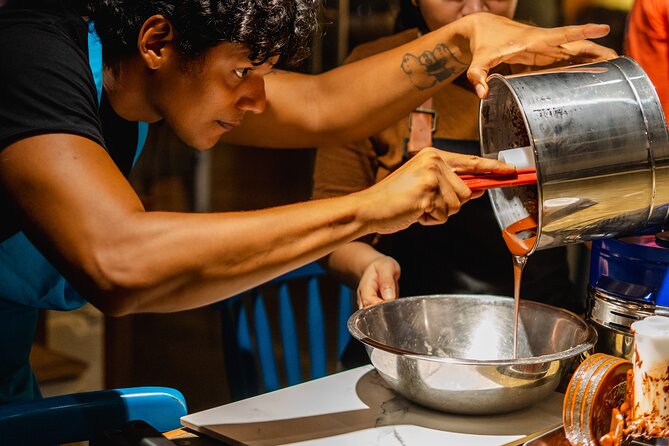
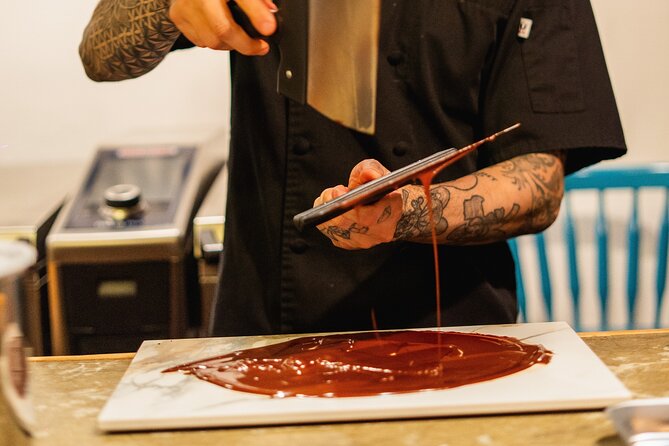
Tempering is the step that turns chocolate from a soft mixture into a polished bar with a clean break. You learn how temperature control affects the chocolate’s shine, texture, and snap.
This is one of the more skillful parts of the class. If tempering is done correctly, the finished chocolate should look glossy and feel firm. It is also the stage that makes homemade chocolate feel less homemade in the rough sense and more like a finished confection.
You may not leave ready to open a chocolate shop, but you will understand why professional bars have that neat appearance and crisp snap. The process rewards patience, and the instructor’s guidance is important here.
For me, tempering adds real value to the experience. It teaches a technique you can recognize later, even if you never repeat the full process at home. It also gives the workshop a clear sense of progress: the cacao has moved from raw beans to something that is almost ready to eat.
Molding, decorating, and taking your bars home
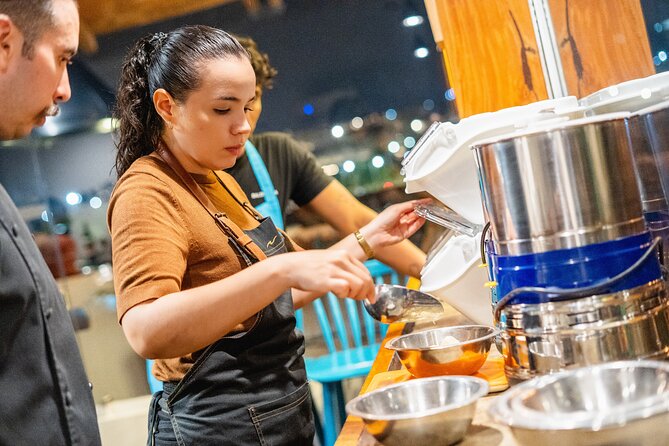
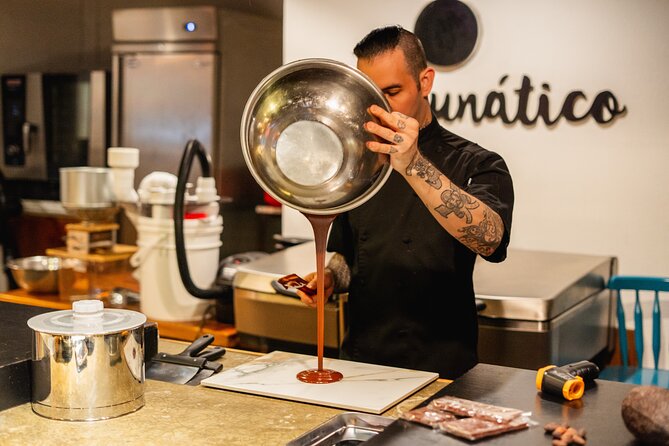
Once the chocolate is prepared, you pour it into molds and decorate the bars with different toppings. This is the most playful part of the class, and it gives you a chance to make the finished product your own.
The toppings add visual appeal, but the important point is that you have handled the chocolate from beginning to end. Your final bars are not a souvenir bought from a shelf. They are the result of the roasting, cleaning, grinding, refining, and tempering you learned during the session.
You leave with the handcrafted chocolate bars you made. That makes the experience easier to remember than a tasting alone, especially if you are looking for a small food souvenir from Cartagena.
The final bars are also a practical reason to leave some room in your day. You may want to enjoy part of them soon after the class, but you can also save them for later, depending on how they are packaged and the conditions around you. The supplied details do not specify packaging or storage advice, so ask the team if you need to carry them for the rest of your day.
Comparing single-origin Colombian chocolates
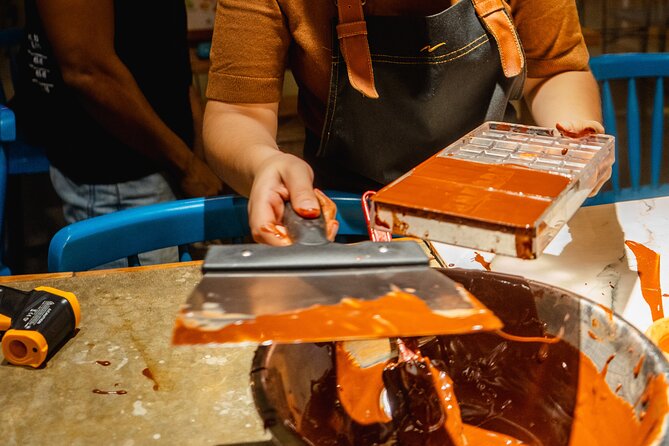
Alongside the production work, the class includes a guided tasting of single-origin Colombian chocolates with different cacao percentages. This adds a useful comparison to the bean-to-bar process.
Rather than tasting only the chocolate you make, you can compare several examples. The different cacao percentages help show how sweetness and cacao intensity change. Single-origin samples also keep the focus on place and production, not just added flavors.
I would pay close attention to texture as well as taste. Notice how quickly each chocolate melts, how long the flavor stays, and whether the cacao tastes fruity, bitter, nutty, earthy, or sweet. The provided details do not identify the exact origins or percentages, so the instructor will be the right person to ask about each sample on the day.
This tasting is a strong part of the value. A class without comparison can leave you knowing how chocolate is made but not how to judge what you are tasting. Here, the tasting gives you a way to connect the method with the result.
Red and white wine pairings
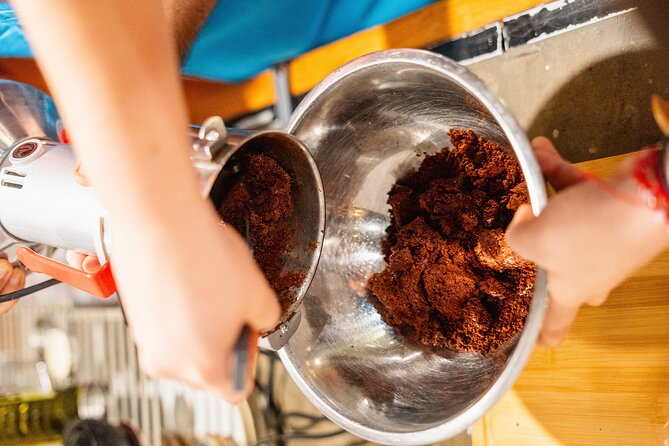
The wine session includes both red and white wines. The purpose is to highlight different flavor notes in the chocolate, rather than simply adding drinks to the schedule.
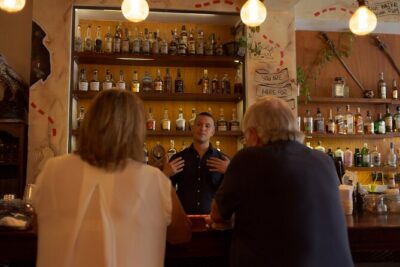
Wine pairing can make you notice details that disappear when you eat chocolate quickly. A red wine may bring out deeper or darker notes, while a white wine may make lighter or sweeter qualities easier to notice. The exact pairings and wines are not specified, so do not book this expecting a particular label or grape.
This portion will suit adults who enjoy food pairings and guided tasting. It may be less important to someone who wants only to make chocolate, but it helps turn the class into a broader food experience.
If you do not drink alcohol, confirm the available alternatives directly with Lunático Experience before booking. The supplied information confirms red and white wine pairings but does not state whether nonalcoholic options are provided.
Is $99 per person good value?
At $99 per person, this is not the cheapest chocolate activity in Cartagena. The price makes more sense when you count what is included: about two and a half hours, instruction on the full bean-to-bar process, raw cacao preparation, chocolate making, a tasting of single-origin bars, wine pairings, and chocolate bars to take home.
You are paying for participation, not just admission. A short tasting may be better value if you only want to sample Colombian chocolate. This workshop is better suited to you if you want to understand how chocolate is produced and spend a substantial part of the afternoon making it.
The maximum of 12 people also supports the price. Small classes usually give you more access to the instructor and more time with the equipment than a large group. The available feedback gives strong praise to the team’s preparation, clear explanations, quality ingredients, and friendly manner, all of which support the cost.
Still, keep your expectations sensible. You are taking a class, not receiving a professional chocolate-making qualification. The main value is the combination of learning, tasting, social time, and a handmade result.
Who will enjoy this Cartagena chocolate class?
I would recommend it most to:
- Couples looking for a shared activity beyond sightseeing
- Chocolate fans who want to understand cacao from the source
- Families with older children who can follow a hands-on food lesson
- Food-focused visitors who enjoy tastings and pairings
- Anyone seeking an indoor afternoon plan in central Cartagena
The class is especially good for couples because the work gives you something to do together. You can compare tastes, decorate your bars, and leave with a shared souvenir. The positive comments about the experience repeatedly point to its interactive and enjoyable character for two people.
It may not suit you if you dislike alcohol, have very limited time, or want a quick activity with no instruction. The 2:00 pm start and 2.5-hour length require a real block in your schedule.
Service animals are allowed, and the meeting point is near public transportation. The class is offered in English, which is useful if you want the full explanations without relying on translation.
Booking, weather, and cancellation details
You receive confirmation at the time of booking, and you can use a mobile ticket. Free cancellation is available if you cancel at least 24 hours before the 2:00 pm start time. A cancellation made less than 24 hours ahead is not refundable, and changes inside that period are not accepted.
The activity requires good weather, even though the workshop itself is held at a culinary venue. If poor weather causes a cancellation, you are offered another date or a full refund. The experience also requires a minimum number of participants, so if that minimum is not met, you are offered another date or activity, or a full refund.
Those rules are worth noting if your Cartagena schedule is tight. I would book this earlier in your stay rather than on your last afternoon, leaving room for a change if the class cannot operate.
Should you book the Lunático chocolate experience?
Book it if you want more than a sweet snack. The strongest parts are the full bean-to-bar process, the calm teaching style, the Colombian cacao focus, and the chance to taste chocolate with both red and white wine. You also leave with bars you made yourself, not just a few samples.
Skip it if $99 feels high for a food activity or if you want a short, casual tasting. But for a small-group class that combines craft, local ingredients, guided tasting, and a finished souvenir, Lunático Experience offers a thoughtful afternoon in Getsemaní. For chocolate lovers, it is one of the more distinctive ways to spend two and a half hours in Cartagena.
FAQ
Where does the chocolate-making experience begin?
It begins at Lunático Experience, Cooking Classes & Rum Tasting, at Av. Pedregal #29-225 in Getsemaní, Cartagena de Indias, Bolívar, Colombia.
What time does the experience start?
The scheduled start time is 2:00 pm.
How long does the experience last?
The experience lasts approximately 2 hours and 30 minutes.
Where does the experience finish?
It ends back at the Lunático Experience meeting point.
Is the activity offered in English?
Yes. The experience is offered in English.
How many people can join the class?
The activity has a maximum of 12 participants.
What will I make during the workshop?
You will make chocolate bars by roasting, cracking, winnowing, grinding, refining, tempering, molding, and decorating cacao.
Are tastings included?
Yes. The experience includes a guided tasting of single-origin Colombian chocolates with different cacao percentages, plus pairings with red and white wines.
Can I cancel for a full refund?
Yes, if you cancel at least 24 hours before the experience’s start time. Cancellations made less than 24 hours before the start are not refundable.
Just added in Cartagena
- Private History Photography Tour★ 5.0 · 17 reviews
- Self-Guided Audio Tour: Pirate Tales in Cartagena★ 3.0 · 2 reviews
- Paue Island Tour in the Rosary Islands★ 5.0 · 1 review
- Totumo Volcano★ 3.5 · 15 reviews
- Palmarito Beach★ 3.5 · 4 reviews
- Party without limits! Cartagena; VIP Party.★ 4.5 · 32 reviews
- Paragliding Experience in Cartagena★ 5.0 · 8 reviews
- Tour cultural to san Basilio de Palenque from cartagena★ 5.0 · 45 reviews
Cacao and Chocolate Workshops, compared.
Chocolate Farm Private Tour in Medellin: Real Genuine Experience
Read our review →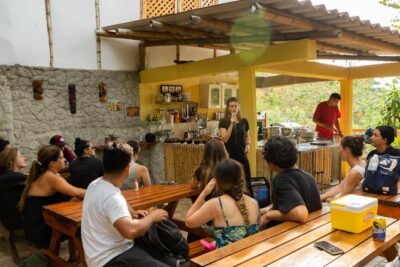
Eco-Hike in Minca: Coffee Tour, Waterfall & Chocolate Experience!
Read our review →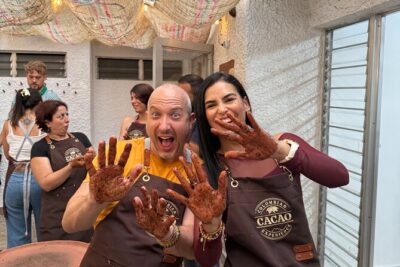
Colombian Cacao Experience | Chocolate Tour | BOOK NOW!
Read our review →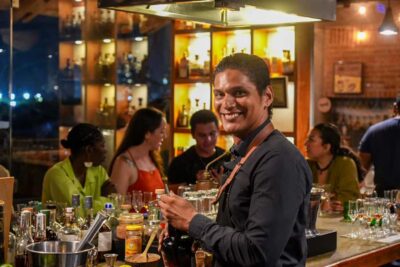
Boutique Rum and Chocolate Tasting at Lunático
Read our review →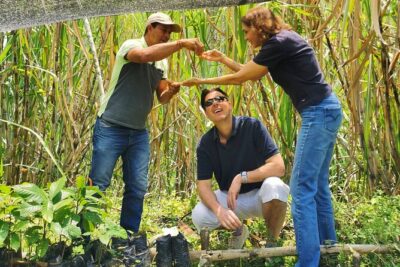
Coffee & Chocolate Private Tour in Medellin: Genuine Experience
Read our review →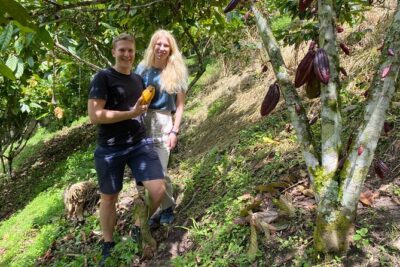
Browse the lists this tour appears in