REVIEW · BOGOTÁ TOURS
Anti-tour Bogotá
Bogotá has stories hiding in plain sight. This four-hour Anti-tour takes you from revolutionary monuments and indigenous brewing traditions to Manu Chao’s former home and La Trocha Casa de la Paz. I like the small-group format, limited to 10 people, and the way the tour connects art, conflict, music, and daily life instead of ticking off famous sights. I also like the hands-on chicha workshop, which gives you something to do, not just something to hear about.
The main consideration is pace. You cover several subjects and cross the city by TransMilenio, so this is a packed half-day rather than a slow neighborhood walk. The political themes can also be serious. If you want a polished sightseeing circuit, this may feel too unconventional. If you want Bogotá’s less tidy and more thoughtful side, it offers plenty.
In This Review
- Key points at a glance
- Why this Bogotá tour feels different
- Starting at the Bogotá sign and meeting La Pola
- Chorro de Quevedo and the chicha workshop
- Manu Chao’s Bogotá inside La Candelaria
- The Gold Museum stop and the move across town
- La Trocha Casa de la Paz and the former FARC members
- The guides and the tone of the conversation
- What the $42 price gets you
- Who should book the Anti-tour
- Final verdict: a strong choice for curious, open-minded visitors
- FAQ
- Where does the Anti-tour Bogotá experience begin?
- Where does the tour finish?
- How long does the tour last?
- What language is the tour conducted in?
- Is the chicha workshop included?
- Is viche tasting included?
- How large is the group?
Key points at a glance
- Make chicha at Chorro de Quevedo: Learn about the ancient indigenous corn drink and taste what you help prepare.
- Enter Manu Chao’s former home: See a La Candelaria address tied to the musician’s time in Bogotá.
- Meet a different post-conflict story: La Trocha Casa de la Paz is run by former FARC combatants working toward peace.
- Taste viche with a purpose: The ancestral sugarcane spirit opens a conversation about culture, memory, and change.
- Ride TransMilenio between two sides of Bogotá: Public transport is part of the city lesson, not just a way to get around.
- Hear about La Pola: The visit to Policarpa Salavarrieta’s monument introduces one of Colombia’s best-known revolutionary heroines.
Why this Bogotá tour feels different
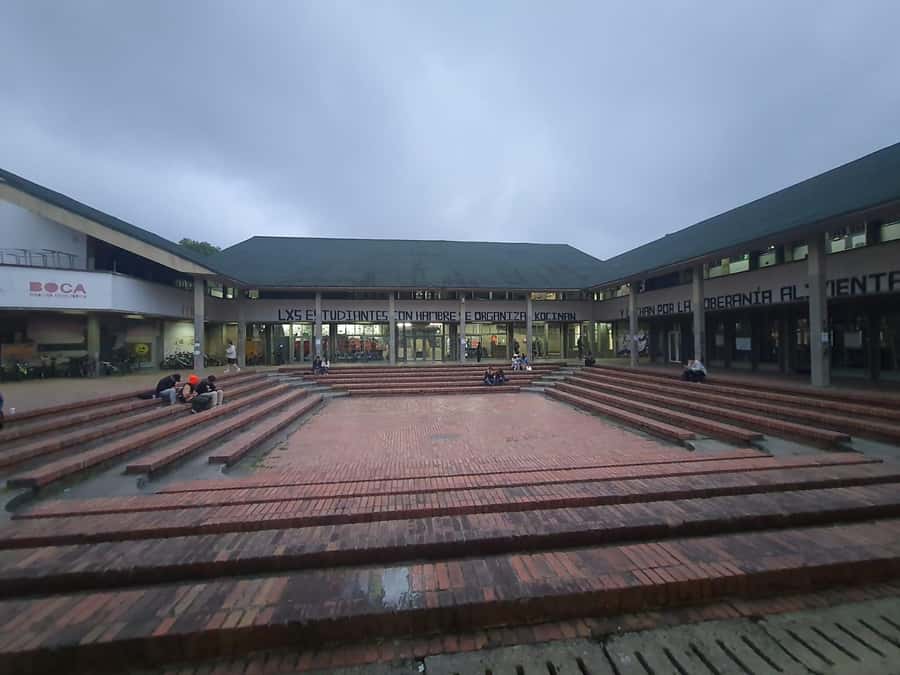
The Anti-tour is built around stories that conventional sightseeing often leaves out. You still see recognizable parts of central Bogotá, but the focus shifts from grand buildings and standard photo stops to resistance, marginalization, creative work, and personal change.
I like that the tour does not treat Bogotá as a museum. The city appears as a place where old traditions meet modern pressure, where artists and performers use small spaces to speak, and where people connected to Colombia’s armed conflict are trying to shape a new future.
The experience costs $42 per person and lasts about four hours. That is fair value if you want a guide-led cultural experience with a workshop, drinks, transport between areas, historical stops, and access to places you would be unlikely to find on your own. It is less compelling if your main goal is a long list of major monuments or a relaxed food tour.
The group size matters. With no more than 10 people, you should have a better chance to hear the guide and ask questions during the more personal parts of the afternoon. Andrés has been praised for making the experience informative and fun, while Michael has been singled out for creating a pleasant and inclusive atmosphere. The guide may vary, but the small group is a useful feature either way.
More things to do in Bogota:
- Bogotá Bike Tour
★ 5.0 · 3,329 reviews - Bogota: Bicycle City Tour
★ 4.9 · 2,156 reviews - Zipaquirá: Salt Cathedral Group Tour with Pickup
★ 4.8 · 1,606 reviews
Starting at the Bogotá sign and meeting La Pola
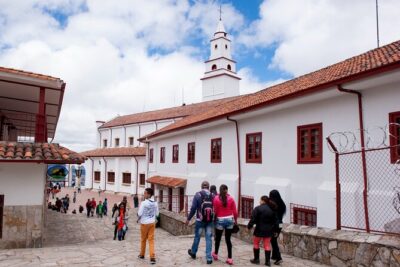
The tour begins at Parque de los Periodistas Gabriel García Márquez, in front of the Bogotá sign. This is a practical central meeting point near several important parts of La Candelaria, so you begin in a part of town already linked to writers, students, politics, and street life.
The first stop is the monument to Policarpa Salavarrieta, better known as La Pola. The guided visit lasts about 15 minutes, which is enough for an introduction rather than a full lesson in Colombian independence.
La Pola was a revolutionary heroine whose courage made her a lasting symbol of resistance. Her story gives the tour an early theme: Bogotá’s public spaces hold memories of people who challenged authority, often at great personal cost.
I appreciate this short stop because it sets the tone without taking over the day. You get a historical anchor before moving into the more participatory parts of the experience. Do not expect an extended museum presentation here. Think of it as a sharp opening chapter.
Chorro de Quevedo and the chicha workshop
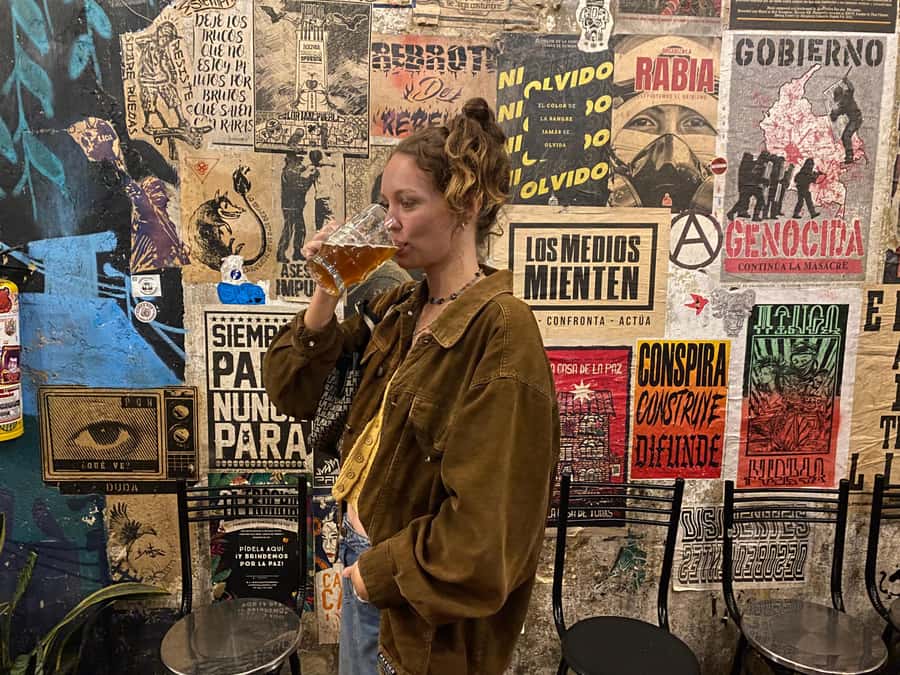
From La Pola, the group continues to Chorro de Quevedo Plaza for the longest part of the central Bogotá portion, about 90 minutes. This is where the tour becomes hands-on.
You learn how chicha is made, using corn and a tradition connected to Indigenous communities. The workshop is not just a drink tasting with a little background added. You take part in making the brew, then taste a drink. That simple act makes the cultural clash at the heart of the tour easier to understand.
Chicha represents an older tradition that has had to contend with modern ideas about progress, regulation, and acceptable public culture. The tour uses it to show how Indigenous practices can be pushed aside, misunderstood, or repackaged, even while they remain important to local identity.
This is one of the experience’s strongest sections because it gives you a clear memory to take away. You are not only told that chicha matters. You handle the process and taste the result. Andrés was specifically praised for making the activity both informative and enjoyable, which is important in a workshop that could otherwise become a dry lecture.
You should keep an open mind about the drink. Chicha is traditional and distinctive, not a standard beer substitute chosen to suit every palate. The value lies in the connection between the preparation, the history, and the people who have kept the practice alive.
Chorro de Quevedo also gives you a chance to see La Candelaria beyond its best-known facades. The tour points toward smaller cultural spaces, back streets, and less polished corners. The area can be full of energy, but it can also feel crowded and rough around the edges. That contrast is part of the point.
Manu Chao’s Bogotá inside La Candelaria
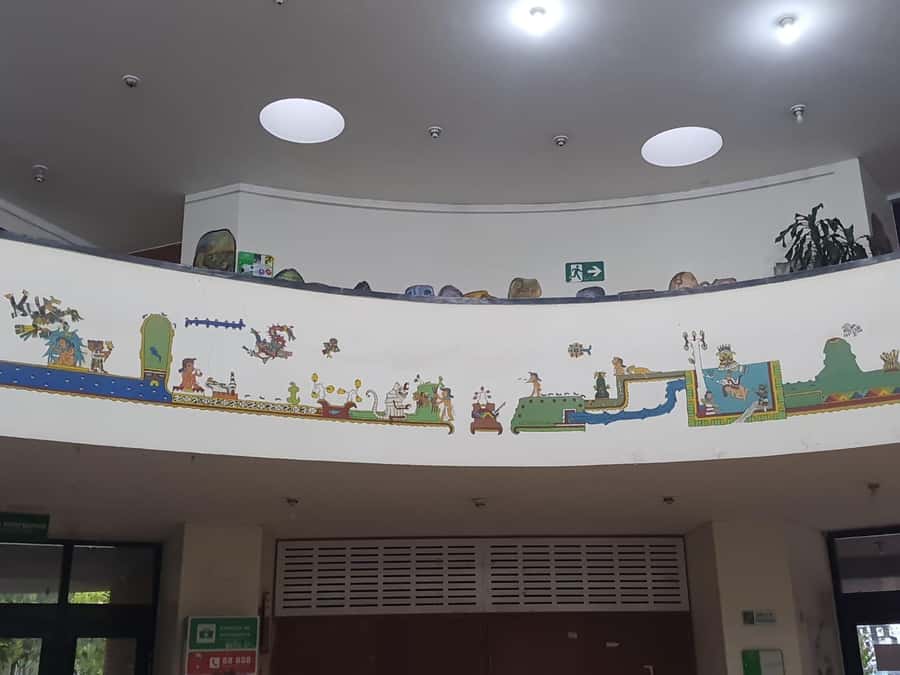
One of the tour’s most unusual stops is the former home of Manu Chao. The address is presented as a lesser-known part of La Candelaria, with attention to the musician’s connection to Bogotá and the inspiration he found in its streets.
This stop adds a cultural layer to the political and historical material. Manu Chao’s music is strongly associated with migration, inequality, borders, protest, and street culture, so his time in Bogotá fits the tour’s interest in voices outside the formal tourist story.
You should not expect a concert, a large museum, or a heavily staged attraction. The appeal is the location and the story attached to it. The inclusion of the house makes the route feel personal and slightly surprising. It is the sort of place you could walk past without realizing why it matters.
The tour describes entrance to Manu Chao’s house as included. Since this is a private or less formal cultural stop rather than a major public institution, the experience may depend on access arrangements on the day. Still, it is a strong feature for anyone interested in music, street culture, or the way artists respond to a city.
A completely different kind of day:
- La Candelaria, Monserrate and Museums Bogotá Private City Tour
★ 5.0 · 1,567 reviews - Shared Tour of the Historic Candelaria in Bogotá
★ 5.0 · 1,551 reviews - Bogotá: Guided La Candelaria Walking Tour
★ 4.8 · 1,229 reviews - Graffiti Tour: a fascinating walk through a street art City
★ 5.0 · 1,074 reviews
The Gold Museum stop and the move across town
The itinerary includes a 30-minute guided visit at the TransMilenio Gold Museum stop. The name refers to the area around the Museo del Oro station, and this portion connects the central historical district with the next stage of the tour.
The timing here is brief, so I would not book this experience expecting a full museum visit. Instead, treat it as a compact stop within a broader discussion of Bogotá’s cultural layers. The tour then uses public transport for about 12 minutes to reach La Trocha Casa de la Paz.
That ride is useful in its own way. You do not remain inside a sealed tour vehicle, separated from the city. You use the system many residents rely on and see the shift between parts of Bogotá. Public transport can make a tour feel less staged, though it also means you should be ready for a little movement and urban friction.
Comfortable shoes are a must. A hat, sunscreen, and water are also sensible, especially because the tour includes walking and time outdoors. Keep your camera ready, but listen closely during the conversations. The most valuable moments may not be the easiest ones to photograph.
La Trocha Casa de la Paz and the former FARC members
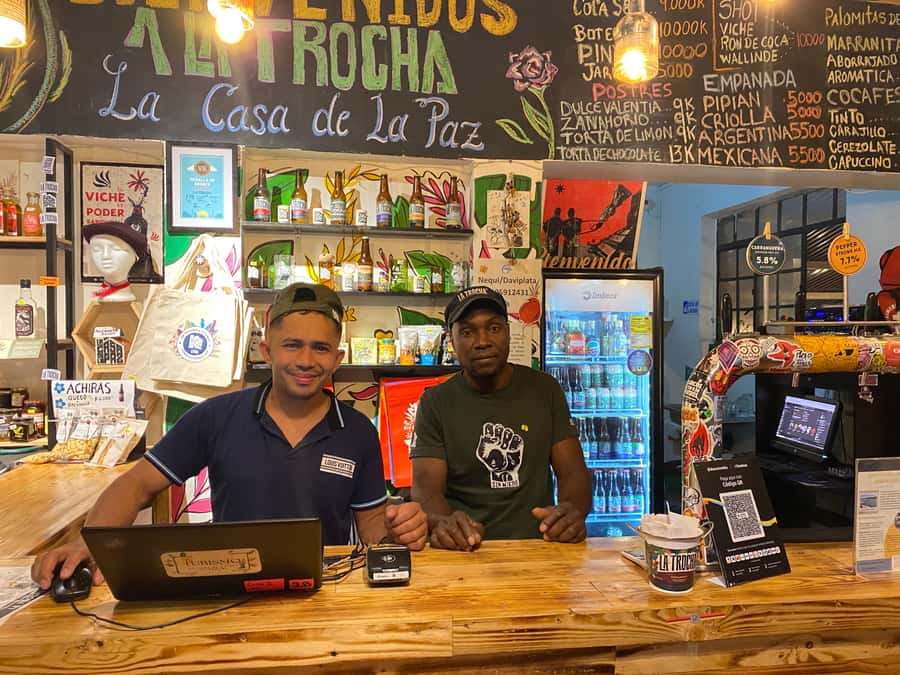
The final major stop is La Trocha Casa de la Paz, where former FARC combatants are involved in building peace through a cultural and community space. The visit lasts about 80 minutes and includes an arts and crafts market.
This is the part of the tour that asks the most from you. Colombia’s armed conflict is not distant history for many people, and meeting people who once fought with the FARC can bring the country’s political transition into personal focus.
The tour centers on stories of transformation. Former combatants are presented not only through their past, but also through the work they are doing now. That change in perspective is valuable. It avoids reducing people to labels and shows the effort involved in creating a peaceful role after conflict.
You taste viche here, an ancestral sugarcane spirit. The tasting is more than a quick alcoholic sample. It provides a way to discuss Afro-Colombian and Indigenous traditions, local production, and the cultural meaning of drinks that have survived outside mainstream commercial systems.
Paula has received particular praise for her role at La Casa de la Paz. Her presence is part of what makes this stop personal rather than theoretical. You may hear direct accounts of change, work, and the challenges of building trust. The tone is serious, but the setting also includes crafts, performance, and creative expression.
The arts and crafts market gives you a chance to support the work connected with the space. Personal spending is not included, so bring some money if you might want to buy something. I would not treat the market as the main reason to book, but it adds a practical link between the conversation about peace and the people earning a living through creative work.
A useful note: one person suggested beginning directly at La Trocha for a smoother experience. That makes sense if you care most about the former FARC and peacebuilding section. Starting at the Bogotá sign, however, creates a fuller arc, moving from La Pola and chicha to music, public transport, and post-conflict work.
The guides and the tone of the conversation
The guide makes a major difference on this experience. The strongest feedback has named Andrés and Michael, with Andrés praised for his knowledge and energy and Michael for making the group feel included. The activity needs a guide who can handle history, politics, alcohol traditions, and personal stories without turning the afternoon into a speech.
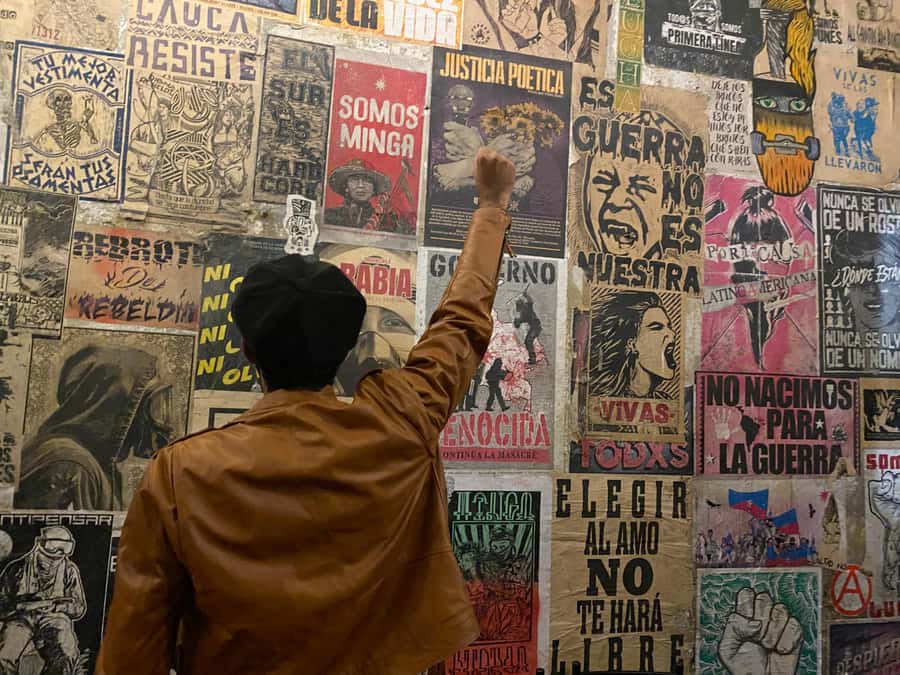
The tone is openly critical of injustice, toxic capitalism, and environmental damage. That will appeal to you if you like tours that ask difficult questions and give space to communities often left out of standard city narratives.
It may not suit you if you want a politically neutral overview. The tour has a clear point of view. That is not automatically a flaw, but you should know what you are booking. You will hear stories of resistance and resilience, not just dates, names, and architecture.
The experience is conducted in English. Because some of the most meaningful moments involve conversation, a strong working knowledge of English will help you follow the details and take part fully.
What the $42 price gets you
At $42, the tour offers more than a walking route. The price covers the chicha workshop, a drink, viche tasting, historical sites, entrance to Manu Chao’s former home, public transport during the route, and personal stories at La Trocha.
The strongest value comes from access. You could visit central La Candelaria independently, but you would probably miss the connections between La Pola, chicha, Manu Chao, TransMilenio, and La Casa de la Paz. You might also feel uncertain about entering less obvious cultural spaces without a local introduction.
The price is less attractive if you measure value by the number of famous sights. This is not a major-monument tour, and the Gold Museum portion is only about 30 minutes. You are paying for context, conversation, and access to a more unusual side of Bogotá.
The free cancellation policy allows you to cancel up to 24 hours before the start for a full refund. You can also reserve now and pay later, which helps if your plans are still shifting. Starting times vary, so check availability before you commit.
Who should book the Anti-tour
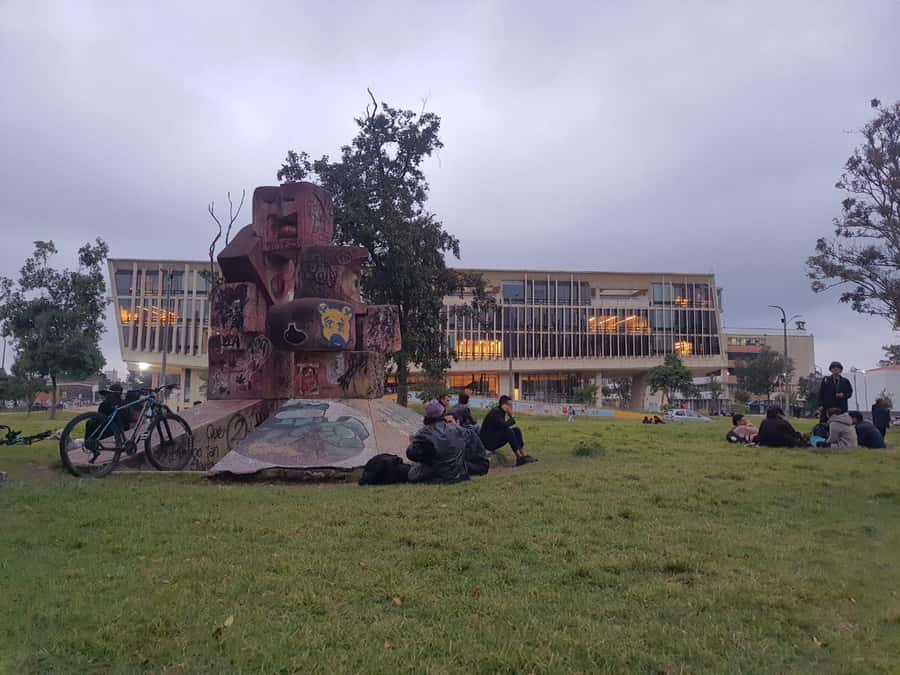
I would choose this experience if you:
- Want to understand Bogotá through politics, music, community work, and tradition
- Enjoy small groups and direct conversation
- Like workshops more than passive sightseeing
- Are curious about Colombia’s post-conflict period
- Want to see La Candelaria through less familiar stories
- Are comfortable with a tour that has a clear social and political viewpoint
I would choose something else if you want a calm museum day, a food-focused walk, or a broad introduction to Bogotá’s major landmarks. Four hours is enough to sample several subjects, but not enough to explore any one of them at great length.
You should also consider the emotional weight. La Pola’s revolutionary story and the former FARC connection are not light entertainment. The tour handles them through discussion and personal accounts, but you need to be willing to listen carefully and respectfully.
Final verdict: a strong choice for curious, open-minded visitors
I recommend the Anti-tour for anyone who wants Bogotá to feel like a living city rather than a collection of postcard stops. The chicha workshop is memorable, the Manu Chao connection is unusual, and La Trocha Casa de la Paz gives the afternoon real human weight.
Its weaknesses are clear: the route is busy, public transport may not appeal to everyone, and the political viewpoint is direct. Still, the $42 price is reasonable for a four-hour small-group experience that includes drinks, activities, cultural access, and conversations you are unlikely to arrange alone.
Book it if you want the city’s complicated stories, not just its pretty ones. Pack comfortable shoes, water, sunscreen, and curiosity. Give yourself room to think afterward.
FAQ
Where does the Anti-tour Bogotá experience begin?
It begins at Parque de los Periodistas Gabriel García Márquez, in front of the Bogotá sign.
Where does the tour finish?
The tour finishes at La Trocha Casa de la Paz.
How long does the tour last?
The experience lasts four hours. Starting times depend on availability.
What language is the tour conducted in?
The live guided tour is conducted in English.
Is the chicha workshop included?
Yes. The experience includes a hands-on chicha workshop and a taste of the drink.
Is viche tasting included?
Yes. Viche tasting is included during the visit to La Trocha Casa de la Paz.
How large is the group?
The tour is limited to 10 participants.
Just added in Bogota
- Tour of Zipaquirá: Visit the Salt Cathedral and the main squares★ 4.5 · 55 reviews
- Catedral de Sal desde Bogotá en Tren★ 5.0 · 5 reviews
- Zipaquirá and Salt Cathedral Muisca Heritage with Guide – Private★ 4.5 · 23 reviews
- Botanical Garden Bogotá Private Tour (4 Hrs.)★ 5.0 · 13 reviews
- Zipaquira Salt Cathedral★ 4.5 · 12 reviews
- LOCAL GUIDE Zipaquirá PRIVATE TOUR – Salt Cathedral and Salt Oven★ 5.0 · 24 reviews
- Zipaquirá Salt Cathedral: An architectural wonder.★ 4.5 · 24 reviews
- Private Zipaquira Salt Cathedral and Guatavita Lagoon Tour from Bogota★ 4.5 · 44 reviews
Bogotá Tours, compared.

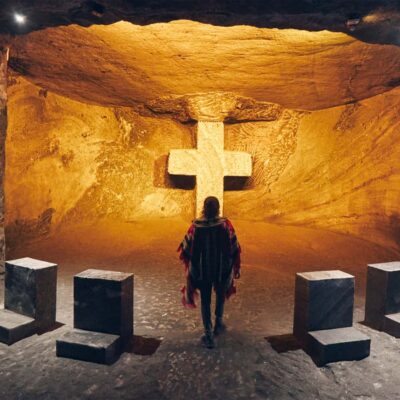
Zipaquirá: Salt Cathedral Group Tour with Pickup
Read our review →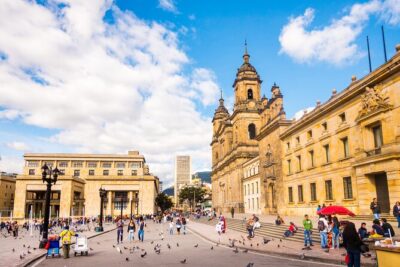
La Candelaria, Monserrate and Museums Bogotá Private City Tour
Read our review →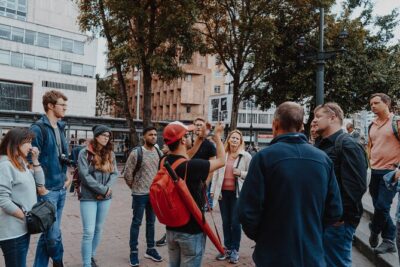
Shared Tour of the Historic Candelaria in Bogotá
Read our review →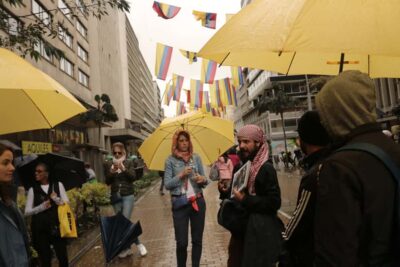
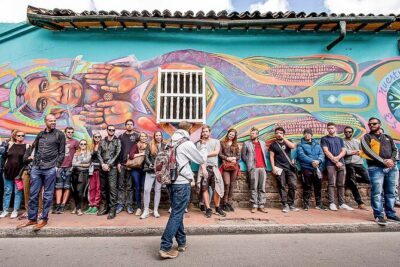
Graffiti Tour: a fascinating walk through a street art City
Read our review →