
REVIEW · COLOMBIAN COFFEE TOURS
3 Day Private Tour Authentic Coffee Experience in Colombia
Coffee is only the beginning. This three-day private experience in Filadelfia, Caldas, takes you from coffee plants and export warehouses to family farms, bamboo groves, traditional panela production, and the small-town life of Colombia’s coffee country. I like the hands-on work, especially grinding and roasting your own beans, and I like the personal contact with farm families rather than a large busload of sightseers. The main caution is that the days begin early, involve hills and farm work, and the accommodation may be simple.
You meet in Filadelfia at 7:00 a.m., although the second day’s detailed schedule begins with coffee and breakfast at 5:30 a.m. That timing needs clarification before you book. The tour costs $350 per person and includes three breakfasts, three lunches, organic panela, and the coffee you produce, grind, and package yourself. Bottled water and snacks are not included, and the published details do not clearly list accommodation or transportation as inclusions.
In This Review
- What makes this three-day experience different
- Arriving in Filadelfia, Caldas
- Day one: settling into a small coffee-country town
- Day two: an early start at the coffee farm
- The second coffee day: roasting, exporting, and drinking what you made
- Day three: sugar cane, fresh panela, and family work
- Food, family contact, and the human side of the tour
- How much value do you get for $350?
- Who will enjoy it, and who may not
- Practical details before you book
- Should you book the Filadelfia coffee experience?
- FAQ
- Where does the tour start and finish?
- How long does the experience last?
- What time does the tour start?
- What meals are included?
- What do I take home?
- Are snacks and bottled water included?
- Is this a private activity?
What makes this three-day experience different
- Coffee from plant to package: You can learn how coffee is grown, harvested, dried, roasted, ground, and prepared, then take home some of your own production.
- A working Colombian village: Filadelfia gives you a quieter base than the better-known coffee towns, with local architecture, family farms, shops, a church, and daily life close at hand.
- Panela made by hand: You help process sugar cane, boil the juice, and shape the unrefined cane sugar, with organic panela to take home.
- Private and personal: Only your group participates, and the experience is built around local hosts and family-run farms.
- More than coffee: The program can include coffee, panela, bamboo groves, an export cooperative, beekeeping, and farm food, depending on the arrangements made for your visit.
Arriving in Filadelfia, Caldas
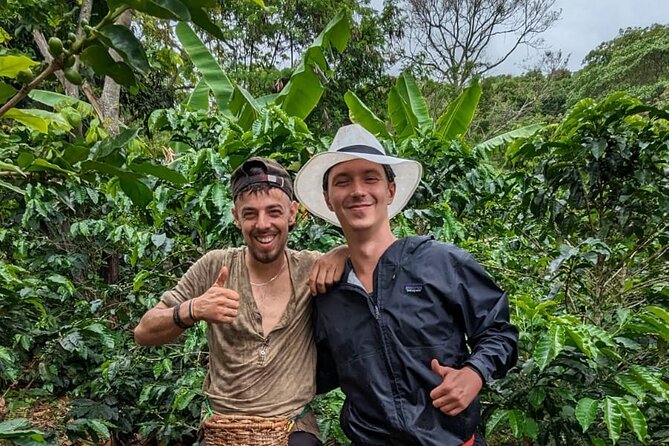
Filadelfia is the base for the whole program. It is a small Colombian town where the appeal is not a famous monument or a polished tourist district. The reward is being able to walk through a real community, see local architecture, and meet people connected to farming and food production.
That setting matters. In more developed coffee destinations, you can easily spend your day moving between tour stops designed for visitors. Here, the experience is tied to the families who grow, process, and sell the products. You are not simply shown a coffee plant, then sent to a gift shop. You get an explanation of how work is done and a chance to take part.
The program begins and ends at the meeting point in Filadelfia. The exact arrival plan is worth confirming, since one part of the information gives a 7:00 a.m. start while the coffee day calls for breakfast at 5:30 a.m. If you are coming by bus or arranging your own connection, ask for the precise meeting time and transport plan.
More coffee tours in Colombia:
- Half Day Bike Tour in Medellin – Local snack, Coffee or Beer
★ 5.0 · 2,509 reviews - Half-Day Coffee Tour: From the Seed to the Cup, Farm & roastery
★ 5.0 · 1,418 reviews - Medellin: Coffee Tour with Transport, Snacks and Tastings
★ 4.7 · 1,357 reviews
Day one: settling into a small coffee-country town
The first day is listed simply as Filadelfia, which suggests that it functions as your arrival and orientation day rather than a packed sightseeing schedule. You can expect time to get familiar with the town and meet the people who will host the farm activities.
This slower start is useful. The program becomes busy on the following days, and knowing where you are makes the experience easier. Filadelfia is also the place to appreciate the pace of local life. The town has been described as quiet, friendly, and welcoming, with mountain views, traditional buildings, and a strong sense of community.
Do not expect a resort setting. The accommodation has been described as precious and comfortable by some people, while another account warns that the beds may not be especially comfortable. That is a fair signal to keep your expectations practical. This is a farm-and-family experience, not a luxury hotel stay.
The hosts named in personal accounts include Daniel, Santi, Jenni, Fabio, José, and Tati. Daniel is especially involved in answering questions and guiding the coffee activities, while the family hosts provide meals, farm access, and the human connection that gives the program its character.
Day two: an early start at the coffee farm
The coffee day begins early, with coffee and breakfast at 5:30 a.m. Departure for the farm is scheduled for 6:20 a.m. The early hour is not just a scheduling nuisance. Farm work often follows the day’s light and weather, and leaving early gives you a better chance to see the working rhythm of the countryside.
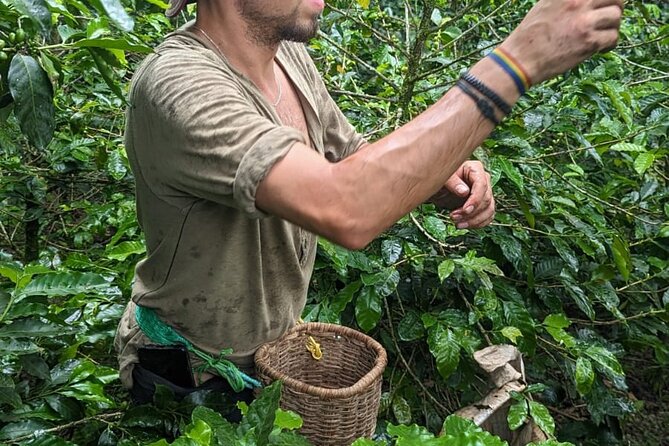
At the farm, you learn about coffee cultivation and the stages that turn a plant into a drink. The experience can include seeing coffee plants, handling beans, tasting fruit from the plant, and taking part in harvesting and processing. The value is in connecting each step. Coffee is no longer an anonymous bag on a supermarket shelf. You can see the labor between seed and cup.
The physical side is real. One account describes walking across coffee plantations and hills, and the program advises a moderate level of fitness. You should be ready for uneven ground, walking up and down slopes, and outdoor work. This is not presented as a difficult expedition, but it is not a sit-down tasting either.
Lunch is scheduled from 2:00 to 3:00 p.m., with bandeja paisa as the featured meal. This is a hearty Colombian plate, traditionally associated with the Antioquia region, and it is well suited to a day of walking and farm activity. The food is part of the cultural experience, not just fuel between appointments.
After lunch comes the sensorial coffee session. You learn to notice aromas, flavors, and preparation techniques. If you already care about specialty coffee, this may be the strongest part of the tour because it gives structure to what you smell and taste. If you are a casual coffee drinker, it still helps explain why Colombian beans vary from one farm and process to another.
The first coffee day is listed at about eight hours. That is a full day, especially after a 5:30 a.m. breakfast. Plan for an early night before it, and do not schedule a demanding activity afterward.
The second coffee day: roasting, exporting, and drinking what you made
The next detailed day begins at 8:00 a.m. with a hands-on coffee session. You grind and roast your own beans, experiencing the aroma as the coffee changes during roasting. This is one of the clearest strengths of the program because you are not only watching a demonstration.
You also receive the coffee you produce, ground and packaged. That gives you a useful souvenir with a story attached. It is a better reminder of the trip than a generic key chain, and you can explain exactly where and how it was made.
At 11:00 a.m., you visit a coffee exportation cooperative. This adds an important business layer to the farm visit. Small-scale production does not end when beans leave the field. A cooperative helps connect coffee growers with processing, quality control, and the wider export trade. The visit can help you understand how coffee from rural Colombia reaches buyers elsewhere in the world.
Lunch follows at about 12:30 p.m. to 1:30 p.m. The detailed schedule does not name this meal, so you should ask what will be served if dietary restrictions matter. Three lunches are included overall, but snacks and bottled water are not.
The afternoon returns you to Filadelfia. You tour the town, see local architecture, and visit the guaduales, or bamboo groves. Bamboo is a familiar part of rural Colombian scenery and building traditions, and the stop gives the day a change of pace after coffee processing.
This day is listed at seven hours. It is still active, but less demanding than the early farm day. I like the balance: you learn about coffee at the plant level, then see the cooperative and the town that support the wider coffee economy.
A few more options to weigh up in Colombia
- La Candelaria, Monserrate and Museums Bogotá Private City Tour
★ 5.0 · 1,567 reviews - Private Walking Tour in Cartagena Walled City & Getsemaní
★ 5.0 · 1,357 reviews - Bogota + Monserrate Private City Tour, Museums, Candelaria.
★ 5.0 · 1,015 reviews - Private Coffee Farm Tour in Medellin: Real Authentic Experience
★ 5.0 · 934 reviews
Day three: sugar cane, fresh panela, and family work
Breakfast begins at 8:00 a.m. The main activity is the panela experience, scheduled for either 11:00 a.m. or 2:00 p.m., depending on what is arranged with the host family. That flexible timing is practical for farm work, but it means you should not assume the day’s final schedule until it is confirmed.
Panela is unrefined cane sugar made by reducing sugar-cane juice. At the farm, you learn the process from start to finish. The work can include cutting and processing cane, handling the juice, maintaining the fire, boiling the liquid, separating and shaping the product, and placing it into molds.
This is a hands-on activity with some genuine physical effort. Producing panela is labor, not a staged food demonstration. You may be asked to help with several steps, and the heat, smoke, and repeated work are part of understanding how the product is made.
Fresh panela is a treat in itself. You may taste it during the process, and organic panela is included for you to take home. The host family also provides a gift, giving you a small object or product connected to the visit rather than something mass-produced.
Lunch on the third day is shakshuka, with the timing adjusted around the panela activity. That is an unusual meal choice for a rural Colombian tour, but it reflects the personal, home-style character of the program. Ask in advance if you have allergies or dietary needs, since the supplied details do not specify substitutions.
The third day is listed at six hours. It is the shortest day, but the hands-on cane work can still leave you tired. Bring clothes and shoes you do not mind getting dusty or dirty.
Food, family contact, and the human side of the tour
Food is one of the best ways this program connects you with local life. You receive three breakfasts and three lunches, including bandeja paisa and shakshuka. Personal accounts also describe home-cooked Colombian meals prepared by family hosts, along with fresh fruit, milk, and honey on longer versions of the experience.
Those extra details do not appear as guaranteed parts of this exact three-day schedule, so treat them as possible additions rather than promises. The same applies to beekeeping and apiculture. The program may offer several farm activities, but your confirmed three-day plan should tell you exactly what is included.
The family contact is more important than any single menu item. You have the chance to sit with people who work the farms and learn how coffee and panela fit into everyday life. That exchange is the reason to choose this tour over a quick plantation stop.
You should also be comfortable with a personal style of hosting. Communication has been described as easy, and Daniel is praised for answering questions before the visit and making people feel safe and welcome. Still, the experience takes place in homes and working farms, so it will feel less formal than a standard guided excursion.
How much value do you get for $350?
At $350 per person, the price is reasonable if you use the full three days. You receive six substantial meals, coffee that you make and package, organic panela, private guiding, farm visits, coffee education, the cooperative visit, the Filadelfia tour, and the panela activity.
The value is not in the number of tickets. The listed activities have no separate admission charge. The value comes from access, time, and personal instruction. You are paying for a small private program that connects you with local families and working farms.
There is one important point to settle before paying. The included section names meals and products but does not clearly list accommodation or transportation. One account says accommodation, food, tour, and transport were covered, but you should not rely on that without written confirmation for your dates.
Also budget for bottled water and snacks. Farm days can run six to eight hours, and the tour specifically excludes both. Carrying your own water is sensible, especially in warm weather and on hilly paths.
Who will enjoy it, and who may not
I would choose this experience if you want rural Colombia, personal hosting, and practical work. It suits coffee lovers, curious food travelers, solo visitors, couples, and families with older children who can manage outdoor activity.
It is also a strong choice if you have already seen Colombia’s famous coffee towns and want a quieter place. Filadelfia offers a more local setting, with fewer obvious tourist markers and more contact with ordinary town life.
You may want a different tour if you need a polished hotel, fixed schedules, gentle walking, or a short coffee tasting. The early breakfast, farm terrain, simple beds, smoke and heat around panela production, and changing activity times may be uncomfortable for some people.
The tour is private, so you are not sharing the day with strangers. That lets you ask questions and adjust the pace within reason, but it also means your group needs to be comfortable with the same active, local style.
Practical details before you book
Confirmation is provided at booking. Service animals are allowed, and the meeting point is near public transportation. The activity ends back at the meeting point in Filadelfia.
Good weather is required. If poor weather cancels the experience, you are offered another date or a full refund. For any other cancellation or change, the amount paid is not refundable, so confirm your schedule carefully.
I would ask these questions before booking:
- Is the actual first meeting time 7:00 a.m. or 5:30 a.m.?
- Is accommodation included, and what type is it?
- Is transportation to the farms included?
- Which coffee and panela activities are guaranteed for the three days?
- What food is served at the unnamed lunch?
- Can the hosts accommodate allergies or dietary restrictions?
- Should you bring work clothes, boots, or any special equipment?
These questions are not nitpicking. They help you match the tour to your comfort level and avoid surprises in a small rural community.
Should you book the Filadelfia coffee experience?
Book it if you want to learn by doing. The best parts are the farm access, coffee roasting, export cooperative visit, panela production, local meals, and time with families who make their living from the land. The combination gives you a wider picture of Colombian coffee culture than a one-hour tasting can provide.
I would be especially keen to book if I had time for a quiet, personal stay and did not need luxury. The perfect 5 out of 5 score from 15 submitted ratings reflects strong satisfaction, and the most praised features are consistent: Daniel and the host families, the safe and welcoming atmosphere, the authenticity of Filadelfia, and the chance to participate rather than watch.
Just confirm the accommodation, transportation, and exact start times first. If you are ready for early mornings, hills, simple lodging, and real farm work, this is a memorable and good-value way to meet Colombia beyond its best-known coffee towns.
FAQ
Where does the tour start and finish?
It starts in Filadelfia, Caldas, Colombia, and ends back at the meeting point.
How long does the experience last?
The tour lasts approximately three days. The individual activity days are listed at about eight hours, seven hours, and six hours.
What time does the tour start?
The meeting information gives a 7:00 a.m. start. The coffee day schedule begins with coffee and breakfast at 5:30 a.m., so confirm the exact time for your booking.
What meals are included?
Three breakfasts and three lunches are included. The listed meals include bandeja paisa and shakshuka.
What do I take home?
You receive the coffee you produce, grind, and package yourself, along with organic panela. The panela activity also includes a gift from the host family.
Are snacks and bottled water included?
No. Snacks and bottled water are not included.
Is this a private activity?
Yes. Only your group participates in the tour.
Just added in Colombia
- Zipaquirá: Private Salt Cathedral Mine and Walking Tour★ 4.8 · 3 reviews
- Zipaquira: 5 hrs Salt Cathedral Tour★ 4.4 · 9 reviews
- Exotic Yacht – Tour through the bay of Cartagena★ 3.7 · 4 reviews
- Zipaquirá Salt Cathedral & Andrés Carne de Res (Chía)★ 4.6 · 30 reviews
- Zipaquirá: Private tour to the Salt Cathedral, Colombia’s first wonder★ 4.9 · 33 reviews
- Villa de Leyva Trip by Private Transportation★ 4.8 · 27 reviews
- White Night Boat Party: Dinner Buffet, Dancing and Open Bar★ 4.6 · 3 reviews
- Wonders of Salt: Colombia’s Underground Cathedral★ 5.0 · 18 reviews
Colombian Coffee Tours, compared.
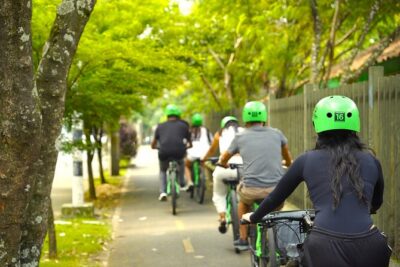
Half Day Bike Tour in Medellin – Local snack, Coffee or Beer
Read our review →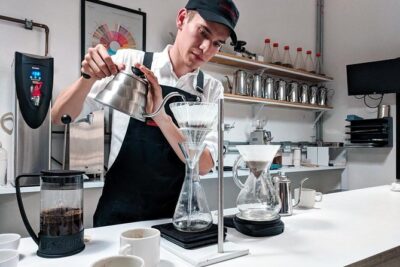
Half-Day Coffee Tour: From the Seed to the Cup, Farm & roastery
Read our review →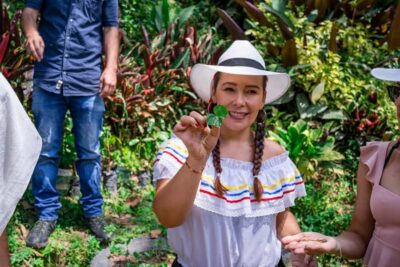
Coffee Tour with Transport, Snacks and Tastings
Read our review →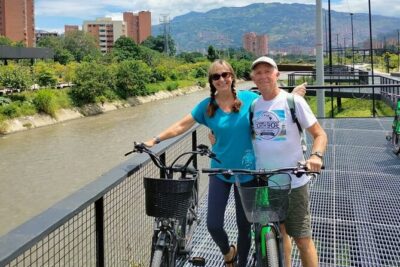
Electric Bike City Tour Medellin With Colombian Coffee and Snack
Read our review →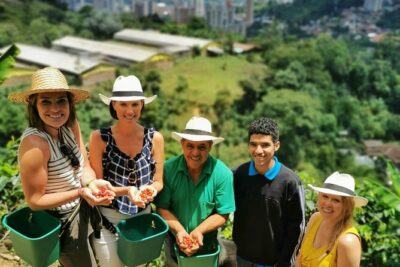
Private Coffee Farm Tour in Medellin: Real Authentic Experience
Read our review →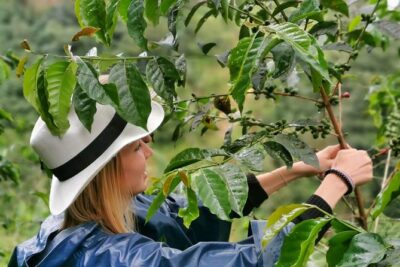
Guatape & Coffee Farm & El Peñol Rock & Quaint Town: Best Combo
Read our review →
Coffee tour in Medellín with tastings and transportation
Read our review →Browse the lists this tour appears in