
REVIEW · HIKING & TREKKING
3 Day Bunkuany Ruins Trek in the Sierra Nevada of Santa Marta
Three days, two camps, one memorable mountain route. This trek pairs the Bunkuany ruins with river walks, Sierra Nevada views, and time with Kogui guides, giving you far more than a simple hike to old stone terraces. I like the mix of nature and living culture, and I like that the small group size is capped at 10 people.
The main caution is physical: you cover roughly 29 kilometers of hiking across three days, with hills, uneven paths, heat, and campsite stays. You need a moderate fitness level, and the schedule leaves little room for a slow stroll.
The guides are a major part of the experience. Dani is praised for his energy and easy way of explaining things, while Kevin has been noted for speaking very good French, along with English being available for the tour. At $300 per person, the trek offers a full three-day program, but I would confirm exactly what the price includes before paying, especially meals, transport, and any extra pickup fee.
In This Review
- Key Points Before You Book
- Why Bunkuany Makes a Good Three-Day Trek
- Day One: Piedra Donama, San Isidro, and Finca La Playita
- Day Two: The Main Walk to Bunkuany
- Day Three: Snow-Capped Peaks and Kogui Traditions
- The Guides Can Shape the Whole Experience
- Is $300 Good Value?
- What to Pack for the Sierra Nevada Route
- Who Will Enjoy This Trek Most?
- Should You Book the Bunkuany Trek?
- FAQ
- How long is the Bunkuany ruins trek?
- Where does the tour start?
- What time does the tour begin?
- Does the tour include a visit to a Kogui village?
- How many people can join the tour?
- Can I cancel for a full refund?
Key Points Before You Book
- Bunkuany is only one part of the trip: You also visit Piedra Donama, San Isidro de la Sierra, a Kogui village, and a mountain viewpoint.
- The walking adds up: The route includes about 29 kilometers of hiking, with the longest day covering around 17 kilometers.
- You sleep at two campsites: Finca La Playita is your first overnight stop, followed by a second campsite near a Kogui village.
- River time breaks up the hiking: San Isidro includes rivers and a river jumping activity, a welcome change after the first morning’s walk.
- The group stays small: A maximum of 10 people should make questions and conversations with your guide easier.
- Pickup is flexible around Santa Marta: Pickup and drop-off are available in Santa Marta, Taganga, and Bonda, though airport service may cost extra.
Why Bunkuany Makes a Good Three-Day Trek
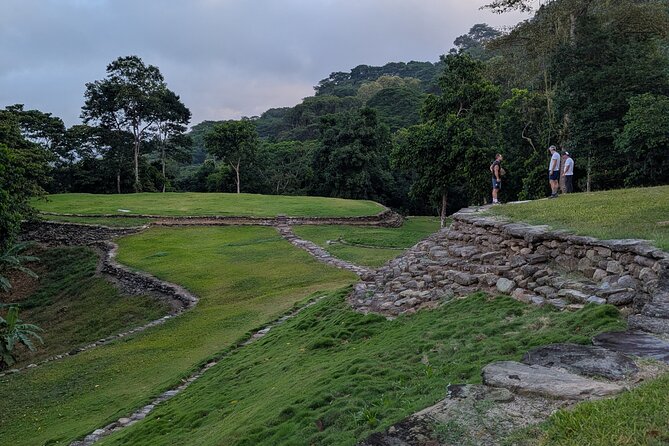
Bunkuany offers a quieter alternative to the better-known Lost City trek. The route leads you to an ancient Indigenous settlement in the Sierra Nevada of Santa Marta, where the guided visit focuses on the city’s past and cultural meaning.
I like the way this tour builds toward Bunkuany instead of rushing you straight there. You first pass through rural areas, rivers, rock formations, and camps. By the time you reach the ruins on the second day, you have a stronger sense of the mountain region around them.
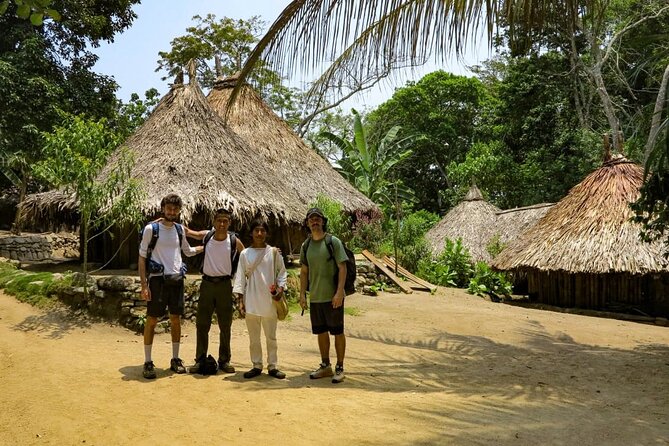
The route also brings you into contact with present-day Kogui culture. That matters. You are not only looking at old stones and taking photographs. You also have time with an Indigenous guide to learn about traditions and daily life.
The name appears as Bunkuany and Bunkuanny in different places, so do not worry if you see both spellings while arranging your trip. The meeting point is in Bonda, outside central Santa Marta, but pickup is offered from Santa Marta, Taganga, and Bonda if you arrange it ahead of time.
More Hiking Tours in Santa Marta
- Hike for 4 days to the Lost City, Santa Marta
★ 5.0 · 3,308 reviews - Full-Day Hiking Tour in Minca with coffee & Cocoa Workshop
★ 4.5 · 189 reviews - Eco-Hike in Minca: Coffee Tour, Waterfall & Chocolate Experience!
★ 5.0 · 140 reviews
Day One: Piedra Donama, San Isidro, and Finca La Playita
The first morning starts with an 8:30 a.m. pickup from Santa Marta. You can also meet directly at the operator’s office in Bonda. That early start is useful because the day includes several separate walks before you reach the first campsite.
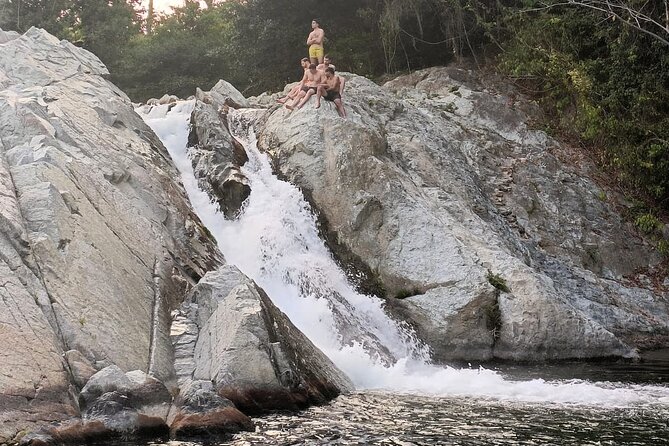
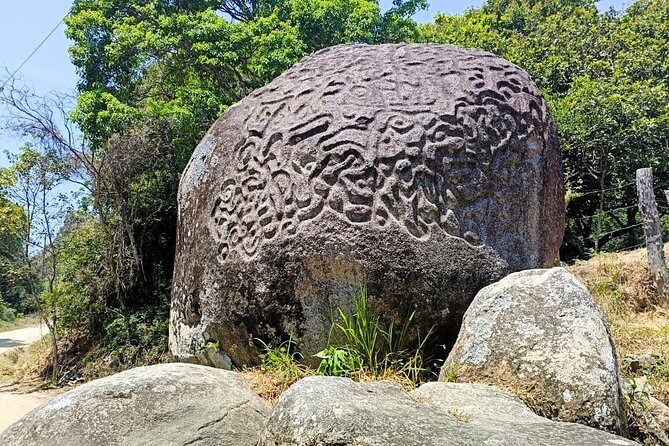
Your first hike covers about 4 kilometers and leads to Piedra Donama, an iconic rock formation. This is a good opening stop because it gives the day a clear sense of place right away. You are walking through the foothills of the Sierra Nevada rather than spending the morning in a vehicle.
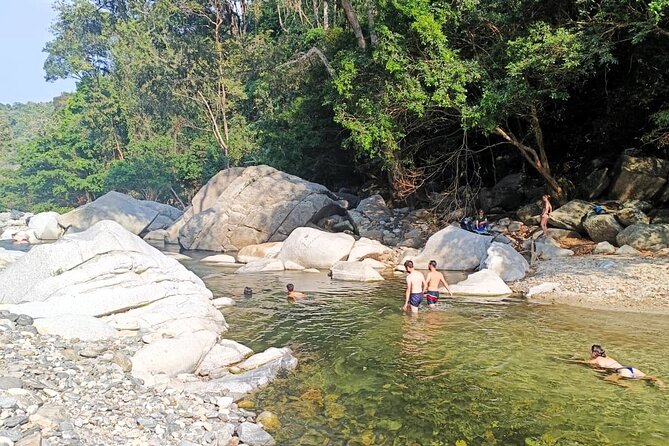
At around 11 a.m., the route continues with a 2-kilometer tour through San Isidro de la Sierra. Here, rivers add a cooler and more playful side to the trip. The schedule includes a river jumping experience, so bring clothing and footwear suited to getting wet. The information provided does not specify the height of the jumps or how much swimming is involved, so ask your guide about the exact conditions that day.
Lunch is planned at Domek Tours House around 12:30 p.m. A proper midday meal is welcome because the second half of the day involves another 6-kilometer walk. Do not treat lunch as a long rest stop, though. The schedule has you moving again at 2 p.m.
The afternoon hike brings you to Finca La Playita, your first campsite. This is where the trip changes pace. You can settle in, rest, and enjoy a slower evening after a day that combines roughly 12 kilometers of walking with sightseeing and river activity.
The first day is not technically the hardest on paper, but it may feel demanding if you are not used to walking in warm, hilly conditions. Wear shoes with a firm grip, carry water, and keep your daypack light. The schedule is active from morning until late afternoon.
Day Two: The Main Walk to Bunkuany
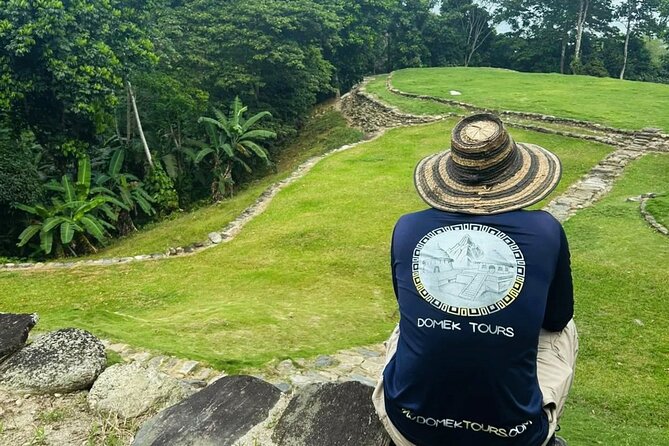
Breakfast is scheduled for 8 a.m., followed by an 8:30 a.m. departure. The main hike to Bunkuany covers about 8 kilometers and takes you through the mountain environment that gives this trip its character.
At around 11 a.m., you begin the guided tour of the ruins. The timing shown for this stop is repeated in the schedule, but the important point is clear: you should expect a dedicated explanation of Bunkuany’s history and cultural importance, not just a quick photo stop.
This guided portion is where your guide’s skill matters most. A good guide can connect the terraces and stone remains to the broader story of Indigenous life in the Sierra Nevada. Dani has been singled out for his enthusiasm, clear explanations, and fun approach. Those qualities are useful on a site where the meaning of what you see is more important than the number of structures.
The ruins are also a natural high point of the trip. You make the long approach on foot, then have time to understand the place before moving on. That makes the visit feel earned rather than added as a roadside attraction.
After the ruins, you hike about 5 kilometers to Calabazo, arriving around 4 p.m. A cold drink is planned there. This is a small detail, but a valuable one. After a morning hike and a cultural tour, a cold drink can make the next stretch much easier.
At 4:30 p.m., you continue for another 4 kilometers to visit a Kogui Indigenous village. You then spend the evening at your second campsite, with a campfire included in the plan.
This is the longest and most demanding day, with about 17 kilometers of walking. The schedule also includes two major cultural stops, so you should expect a full day rather than a relaxed sightseeing outing. If you prefer short walks and long breaks, this is probably not the right tour.
Day Three: Snow-Capped Peaks and Kogui Traditions
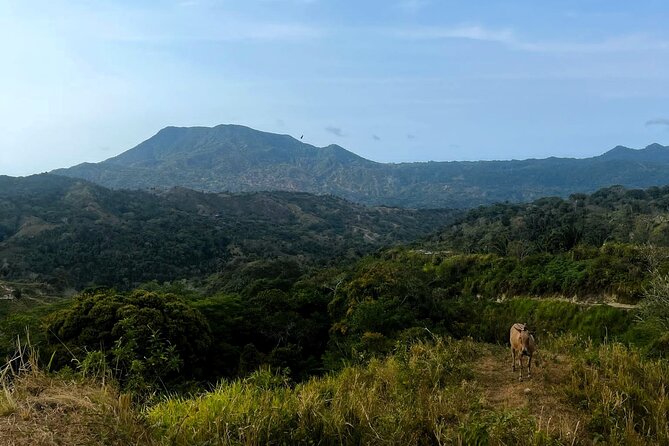
The final morning begins with a short 0.5-kilometer hike to a nearby viewpoint. The reward is a view toward the snow-capped peaks of the Sierra Nevada. Weather will affect what you can see, but the viewpoint gives the last day a strong visual finish.
Breakfast follows at 8 a.m. The schedule then allows time for a tour focused on Kogui culture and traditions, led by an Indigenous guide. This is one of the most valuable parts of the program because it gives cultural interpretation a central role rather than treating the village as a quick stop.
You should approach this visit with respect and attention. Listen carefully, follow your guide’s directions, and remember that you are entering a living community, not a staged historical display. The supplied details do not specify rules about photography or purchases, so ask before taking photographs.
Lunch is scheduled for 12:30 p.m., followed by the descent. At 2 p.m., transportation returns you to Santa Marta. That makes the third day shorter on foot than the second, though you still need enough energy for the morning visit and descent.
The final day works well for people who want a clear ending. You get a mountain viewpoint, breakfast, a cultural conversation, lunch, and a ride back to town without adding another long full-day hike.
More Hiking Tours in Caribbean Coast:
- Colombia’s Tallest Waterfalls: La Chorrera Hike
★ 5.0 · 287 reviews - hiking medellin and hidden waterfalls
★ 5.0 · 275 reviews - The Howling Trail Hike
★ 5.0 · 170 reviews - La Chorrera and Chiflon Waterfalls Private Hike Tour
★ 5.0 · 125 reviews
The Guides Can Shape the Whole Experience
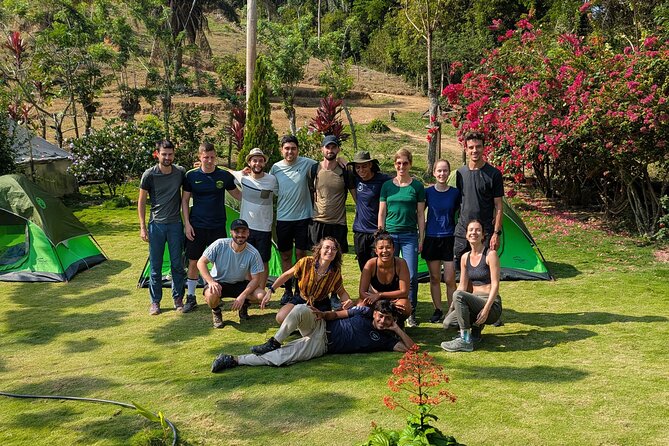
The strongest praise for this tour centers on its guides. Dani is described as enthusiastic, well informed, and good at making explanations accessible. That combination is especially useful during the Bunkuany visit and the Kogui cultural sessions, where a dry lecture would quickly lose its appeal.
Kevin has also been praised for patience, passion, and very good French. If French is your preferred language, ask about guide availability when you book. English is listed as an available tour language, but the exact guide assigned to your departure may vary.
The small group limit of 10 is another plus. You are more likely to hear explanations clearly, ask questions, and keep a sensible pace than you would in a large procession. Small groups do not remove the physical demands, but they can make the days feel more personal.
Domek Tours also receives praise for organization, food, local advice, and friendly staff. You may find the practical help useful before or after the trek, especially if you are planning other activities around Santa Marta. Still, ask for a clear breakdown of what is included in the $300 price.
Is $300 Good Value?
The price is $300 per person for about three days. I see reasonable value here if you want a guided, multi-day experience rather than an independent walk.
You receive a structured route with pickup options, several cultural visits, guided interpretation at Bunkuany, meals scheduled during the trek, two overnight camps, and return transport to Santa Marta. The group size is limited to 10, which adds value for anyone who wants personal contact with the guide.
The cost is less attractive if you are mainly interested in seeing the ruins and do not care about the village visits, river activity, or camps. In that case, a shorter outing may suit you better, if one is available.
Because the supplied information does not spell out every inclusion, confirm these points before booking:
- Which meals and drinks are included in the price
- What camping equipment is supplied
- Whether transport covers your exact pickup address
- The extra airport pickup or drop-off cost
- Whether your preferred language is guaranteed
- What happens if weather changes the river activity or views
The cancellation terms are friendly. You can receive a full refund if you cancel at least 24 hours before the local start time. Changes made within 24 hours are not accepted, and a minimum group size is required for the tour to run.
What to Pack for the Sierra Nevada Route
The provided details do not include a formal packing list, but the schedule tells you what matters. You should bring sturdy walking shoes, comfortable clothes for warm weather, and a change of clothes for the river activity.
A small daypack is better than a heavy bag. You will walk for several hours each day, including 17 kilometers on the second day. Carry water, sun protection, personal medication, and a light layer for the mountain morning.
Bring enough practical clothing for two campsites. The plan includes an evening at a campfire, but no details are given about bedding, showers, or luggage storage. Ask the operator what you need to carry and what can remain in Santa Marta.
The mountain viewpoint depends on conditions. Pack a light rain layer if you have one, but do not expect a guaranteed view of the snow-capped peaks. Weather is part of the deal in mountain country.
Who Will Enjoy This Trek Most?
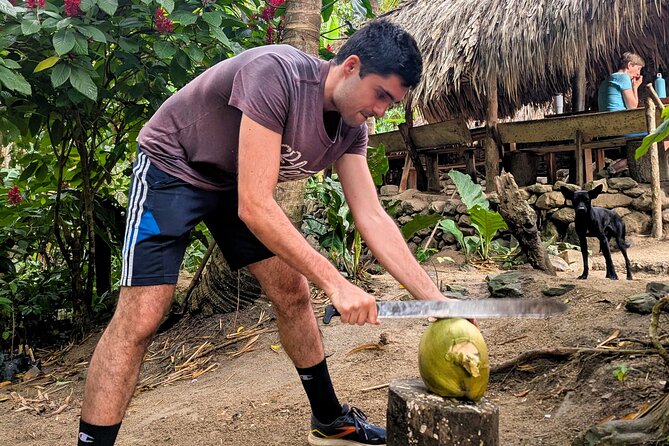
I would recommend this trip to you if you want a mix of moderate adventure and cultural learning. It suits people who enjoy walking for several hours, sleeping at simple campsites, and listening to local guides rather than rushing from one photo stop to the next.
It is also a good fit if you have already considered the Lost City area but want a shorter three-day route centered on Bunkuany. The river activity and campfire add variety, while the Kogui visits give the trip more depth.
I would hesitate to recommend it if you have limited mobility, dislike uneven trails, or want a soft hotel-based holiday. The tour requires moderate fitness, and the second day is long. You should also be comfortable with an itinerary that follows a set timetable.
The trip can work for solo visitors, couples, and small groups of friends. With no more than 10 people, you should have a fair chance to connect with the guide and the rest of the group without feeling lost in a crowd.
Should You Book the Bunkuany Trek?
Book this trek if you want ancient ruins, mountain walking, river activity, campsites, and direct contact with Kogui culture in one compact program. The guide quality, small group limit, and strong mix of activities make the $300 price worth considering.
Skip it if you want an easy holiday or if 17 kilometers in one day sounds unpleasant. Before you commit, confirm the inclusions, camping arrangements, language preference, and pickup cost. If those details work for you, this is a well-rounded way to experience the Sierra Nevada beyond Santa Marta’s coast.
FAQ
How long is the Bunkuany ruins trek?
The experience lasts approximately three days. The planned hiking totals roughly 29 kilometers, including about 12 kilometers on day one, 17 kilometers on day two, and a shorter walking schedule on day three.
Where does the tour start?
The listed meeting point is Cl. 5 #19-9 in Bonda, Santa Marta, Magdalena, Colombia. You can also request pickup from Santa Marta, Taganga, or Bonda, or meet directly at the office.
What time does the tour begin?
The start time is 8:30 a.m. on the first day. Pickup arrangements should be shared in advance.
Does the tour include a visit to a Kogui village?
Yes. The second day includes a visit to a Kogui Indigenous village, and the third day includes a separate tour about Kogui culture and traditions with an Indigenous guide.
How many people can join the tour?
The maximum group size is 10 people.
Can I cancel for a full refund?
Yes, if you cancel at least 24 hours before the experience’s start time. Cancellations made less than 24 hours in advance are not refunded, and changes within that period are not accepted.
Just added in Caribbean Coast
- 4 Rosario Islands Adventure with entrance to the oceanarium included★ 3.5 · 3 reviews
- Full Day At the best Vip Beach Club in Tierra Bomba★ 5.0 · 4 reviews
- Monkey Volunteer Work in Wildlife Reserve Near Cartagena★ 5.0 · 3 reviews
- The Native Expedition – Sierra Nevada (2 days Discovering Chorrerón waterfall)★ 5.0 · 7 reviews
- UTV Safari in a Wildlife-Filled Nature Reserve Near Cartagena★ 5.0 · 36 reviews
- Playa Blanca Barú Tour with Lunch and hotel pick up★ 3.0 · 8 reviews
- Surf Lessons For All Levels★ 5.0 · 1 review
- Tour Isla del Encanto Cartagena★ 3.5 · 4 reviews
Hiking & Trekking, compared.
Hike for 4 days to the Lost City, Santa Marta
Read our review →
Colombia’s Tallest Waterfalls: La Chorrera Hike
Read our review →
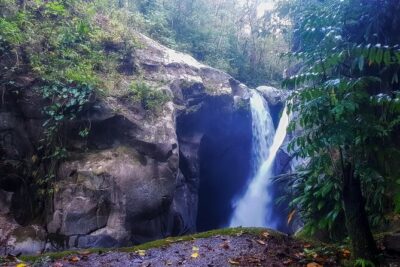
Full-Day Hiking Tour in Minca with coffee & Cocoa Workshop
Read our review →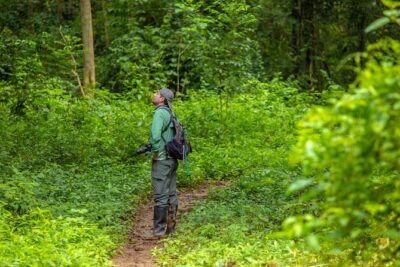
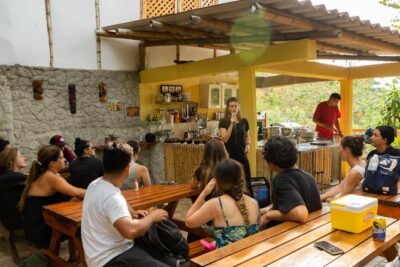
Eco-Hike in Minca: Coffee Tour, Waterfall & Chocolate Experience!
Read our review →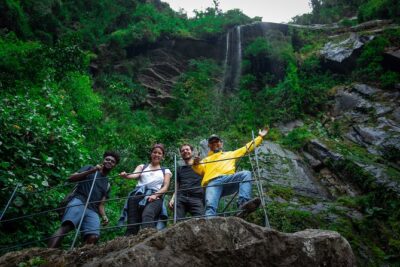
La Chorrera and Chiflon Waterfalls Private Hike Tour
Read our review →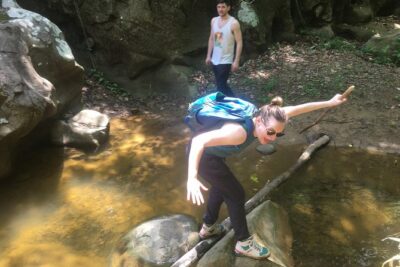
The Jaguar´s Footprint: Hike and Music Day Trip from Cartagena
Read our review →Browse the lists this tour appears in