
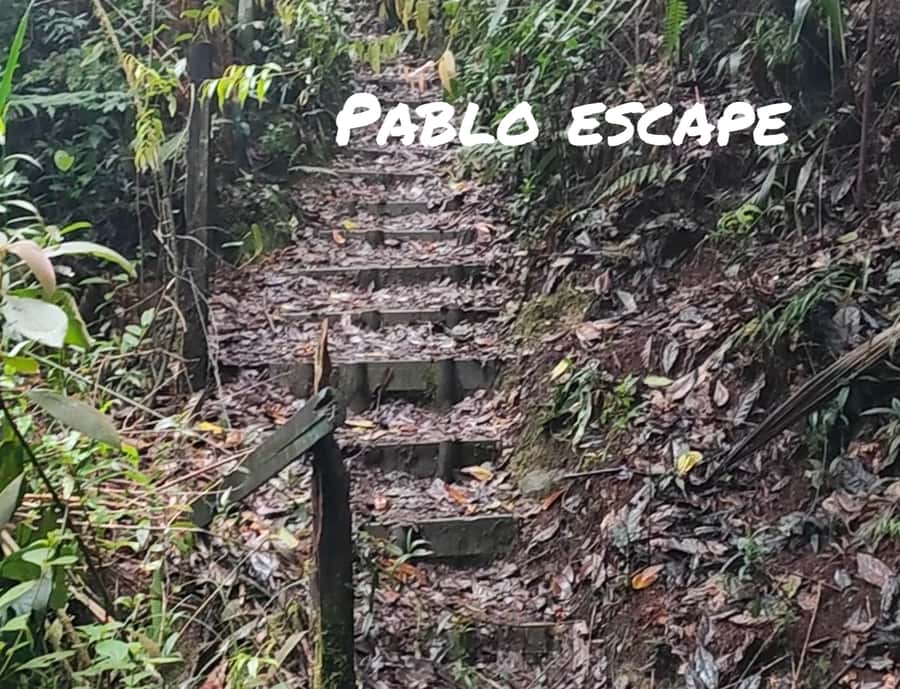
REVIEW · PABLO ESCOBAR HISTORY TOURS
Medellin: Tour to The Cathedral – History of Pablo Escobar and his Impact
Medellín’s hardest story has a mountain setting. This private six-hour tour links Pablo Escobar’s former prison with the Monaco Building site, his neighborhood project, tomb, and death site. I like the private vehicle and hotel pickup, which keep the day comfortable and flexible, and I like the guide-led approach that explains Escobar’s impact without turning him into a folk hero.
The main drawback is the price: $160 per person is far above a standard Pablo Escobar tour. You are paying for a private group, direct transportation, entrance fees, bilingual guiding, and a more personal pace, but this makes the tour best for visitors who value convenience and context over a budget outing.
In This Review
- Key points to know before you book
- Why this Medellín tour is different from a simple Escobar stop
- Starting in Medellín with private pickup
- The Monaco Building site and Parque de la Inflexión
- The neighborhood built for Medellín’s poorest residents
- Jardines Montesacro cemetery and Escobar’s tomb
- The place where Escobar died
- La Catedral, the luxury prison Escobar built
- What the private format adds to a six-hour day
- Food, clothing, and other useful planning tips
- Who should book this experience
- Should you book the La Catedral tour?
- FAQ
- How long does the tour last?
- Where does the tour begin and end?
- Is the tour private?
- What languages are available?
- Is food included?
- What places are included?
- Is entrance to La Catedral included?
- Can children join the tour?
Key points to know before you book
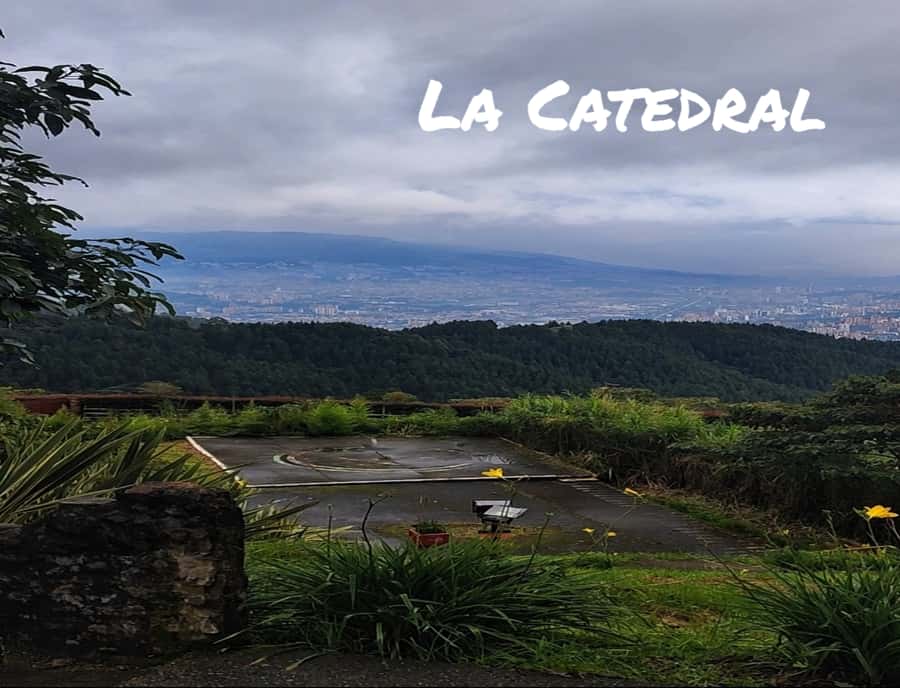
- La Catedral is the centerpiece: You visit the former luxury prison Escobar built for himself, with broad views from its hillside setting.
- The day covers several connected places: The route includes the former Monaco Building site, a neighborhood Escobar built for poor residents, his tomb, the place where he died, and La Catedral.
- Private transport keeps the schedule simple: Pickup and drop-off are included anywhere in Medellín’s metropolitan area, using an air-conditioned vehicle.
- The tone is educational rather than celebratory: The goal is to understand a violent period in Colombian history, not praise the man at its center.
- Guide quality matters here: Daniel received special praise for his timing, stories, background information, and willingness to respond to the group’s wishes.
- Plan for a six-hour outing: Wear comfortable shoes and clothes, bring sunscreen and cash, and remember that food is not included.
Why this Medellín tour is different from a simple Escobar stop
Pablo Escobar tours can easily become a parade of famous names, dramatic anecdotes, and photo opportunities. This experience tries to build a fuller picture by moving through places tied to his power, public image, personal escape, and final days.
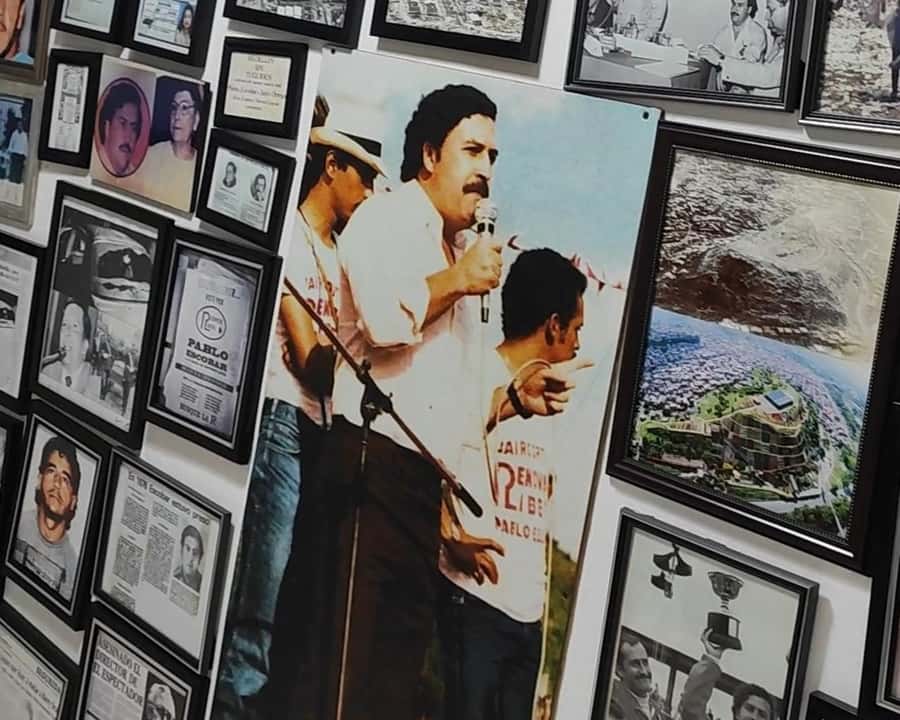
That broader route matters. You are not only visiting La Catedral and hearing about the prison. You also see the place connected with the Monaco Building, a neighborhood he built for some of Medellín’s poorest residents, his tomb at Jardines Montesacro cemetery, and the location where he died.
I like this structure because it lets you compare the different parts of Escobar’s legacy. He used public gifts and housing projects to gain support, while his criminal organization caused fear and immense harm. A good guide can hold both facts together without flattening the story into a simple legend.
The tour is offered as a private group experience, with a bilingual guide speaking Spanish and English. That gives you room to ask questions and adjust the conversation to your interests. It also avoids the fixed rhythm of a large bus group, where one person’s question can become everyone’s delay.
More History Tours in Medellin
- Pablo Escobar Tour : Museum, History and Beer
★ 5.0 · 867 reviews - Shared Tour Historic Center of Medellin with Audio System
★ 5.0 · 523 reviews - Medellín Essential: history & local life on E-bike
★ 5.0 · 459 reviews
Starting in Medellín with private pickup
Your guide picks you up at your hotel or another meeting point you provide in Medellín. At the end, you are returned to the place you indicate within the metropolitan area.
That arrangement is one of the tour’s practical strengths. You do not need to find a departure office, arrange a taxi to a meeting point, or work out how to return from a hillside site after several hours on the road. The air-conditioned private vehicle is especially useful for a long day that combines urban stops with a more remote-feeling mountain location.
The full experience lasts about six hours. Starting times depend on availability, so check the schedule before booking rather than assuming a particular departure hour.
The vehicle also gives you a private base between stops. This is not a walking tour, and you should expect time in transit as the route connects several parts of Medellín and its surrounding area. Wear comfortable clothes and shoes. Bring sunscreen, since the tour includes outdoor viewing and movement around historical sites.
The Monaco Building site and Parque de la Inflexión
One early stop is the former Monaco Building site, now Parque de la Inflexión. This place helps explain how the Escobar story remains part of Medellín’s public memory.
The stop is useful because it moves the subject away from private prison walls and into the city itself. The former building was linked to Escobar’s family and power, while the present site reflects a different effort to remember and process the damage connected with that era.
Your guide’s role is important here. A name or location alone does not explain why it mattered. The value comes from hearing how the site fits into Escobar’s life and Medellín’s attempt to deal with that past.
Do not expect this stop to carry the same visual drama as La Catedral. Its strength is context. If you want only spectacular views and cinematic locations, it may feel more understated. If you want to understand how one person’s story touched ordinary city life, it earns its place on the route.
The neighborhood built for Medellín’s poorest residents
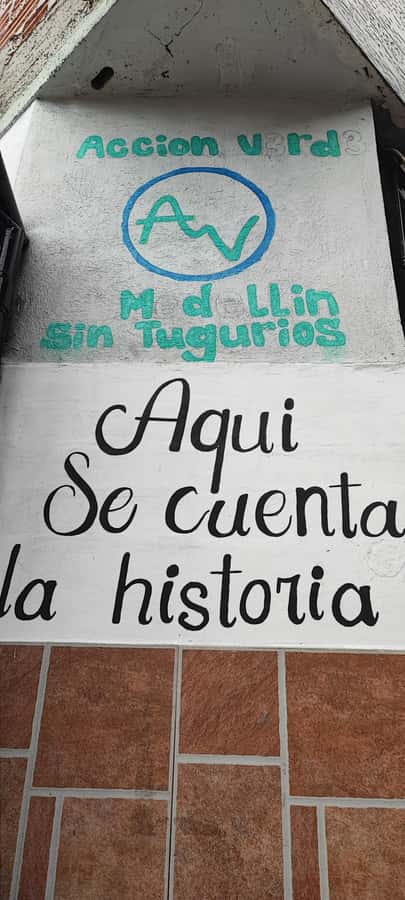
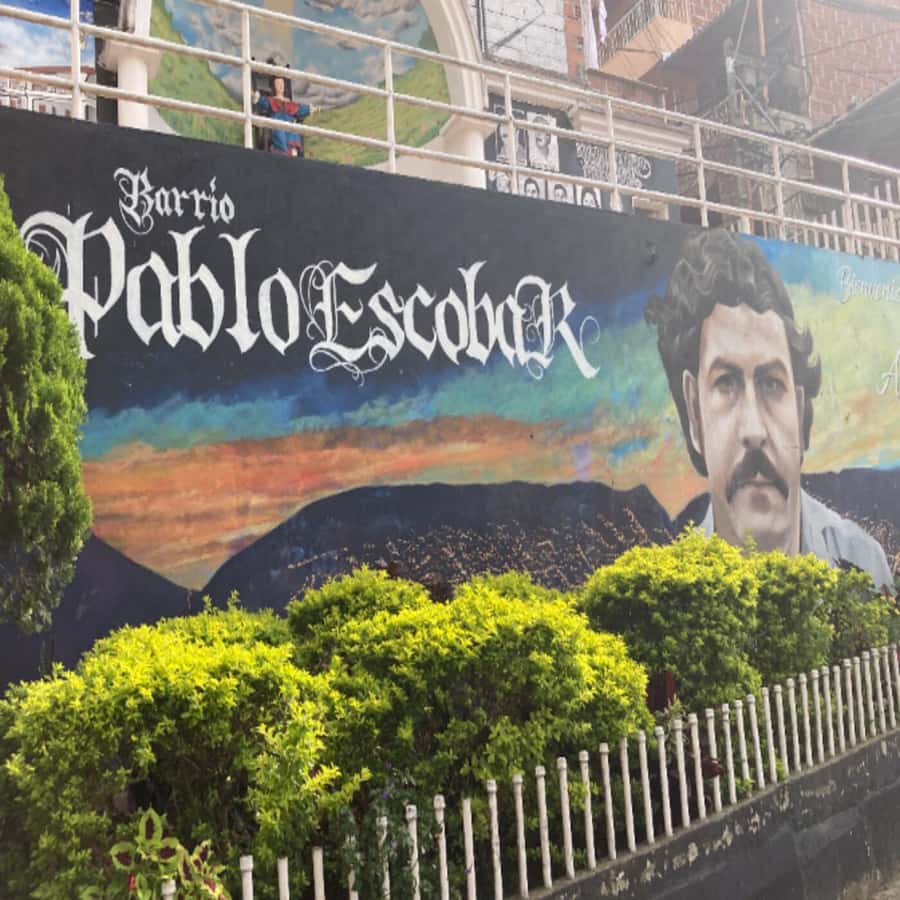
The tour also visits a neighborhood Escobar built for poor people in his time. This is one of the most important stops for understanding why he gained support in some parts of the city.
Public housing and donations helped create a generous image. That image existed alongside violence, intimidation, drug trafficking, and corruption. The neighborhood gives you a concrete way to examine that contradiction instead of hearing only an abstract explanation.
I appreciate the inclusion of this stop because it resists the easy version of the story. Escobar was not admired for only one reason, and his influence did not come from fear alone. Some people remembered material help, while many others suffered because of the criminal world that funded it.
The tour’s stated aim is to avoid glorifying Escobar. This stop shows why that promise matters. You can acknowledge the housing project while still placing it within a much darker record.
More Pablo Escobar history tours:
- Museo Pablo Escobar
★ 5.0 · 7,242 reviews - Medellín: The Real Pablo Escobar Tour
★ 4.8 · 3,205 reviews - Pablo Escobar Shared Tour of Medellin
★ 5.0 · 1,560 reviews - Medellín: Pablo Escobar Tour with beer included
★ 4.7 · 612 reviews
Jardines Montesacro cemetery and Escobar’s tomb
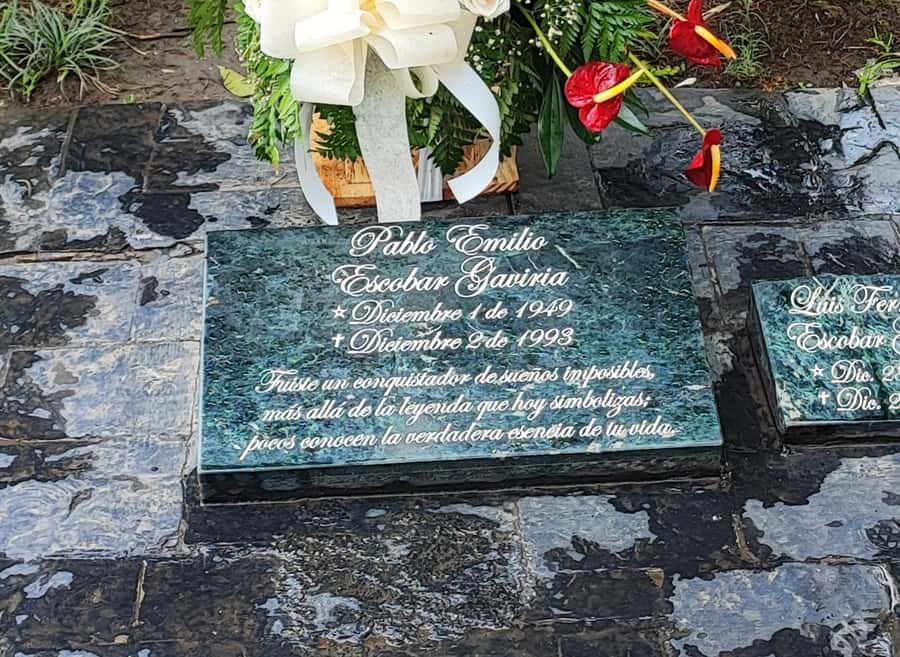
At Jardines Montesacro cemetery, you visit Pablo Escobar’s tomb. The stop provides a quieter moment in a tour filled with dramatic locations and difficult subjects.
A gravesite can seem simple, but it helps bring the story back to a human scale. Instead of treating Escobar as a larger-than-life character from television or film, you are looking at the final resting place of a real person whose actions affected Medellín and Colombia.
The cemetery stop may appeal most to people interested in personal and social history. It is less about spectacle than about reflection. Keep your expectations practical: the supplied details confirm a visit to the tomb, but they do not promise a long ceremony, special access, or a particular presentation at the site.
The tour includes entrance to the Pablo Escobar monument. The exact relationship between the monument and the cemetery visit should be clarified with the provider if that distinction matters to you, since the experience describes both locations as part of the day.
The place where Escobar died
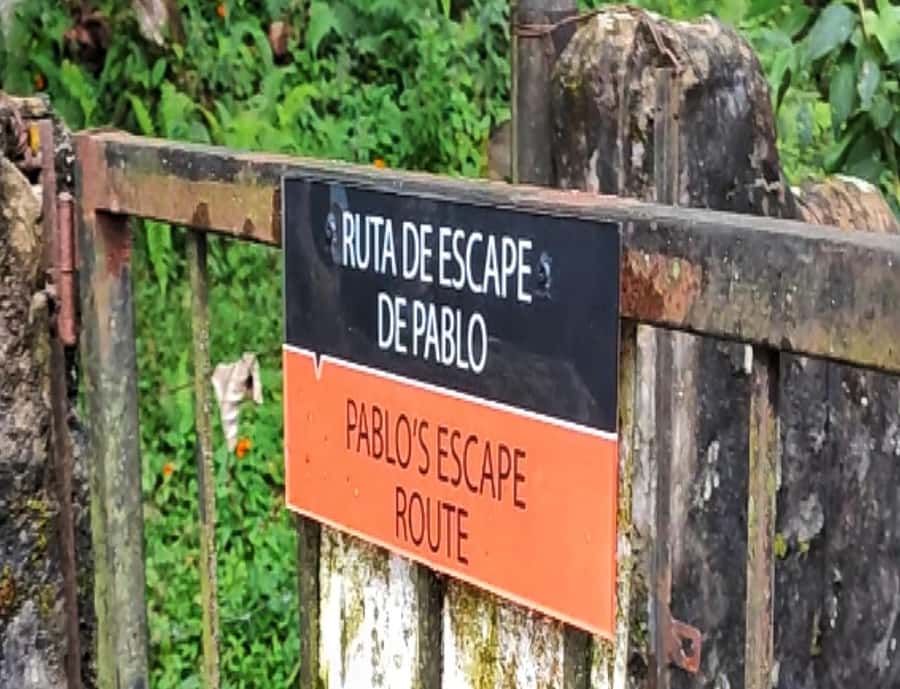
Another stop marks the place where Pablo Escobar died. This location completes the arc that begins with his rise and public image, passes through his prison arrangement, and ends with his death.
The power of the stop comes from sequence. By this point, you have visited places tied to his wealth, his supporters, his family story, and his confinement. The death site then becomes part of a larger explanation rather than an isolated photo stop.
I would approach this part with a serious attitude. The subject involves violence and loss, and the tour is designed as a history and reflection experience. It is not presented as entertainment built around a notorious criminal.
As with the other sites, your guide’s background stories will shape the experience. Daniel was praised for explaining events clearly, providing useful context, and responding to the group’s wishes. If you want more detail at one particular stop, a private tour gives you a better chance to ask for it.
La Catedral, the luxury prison Escobar built
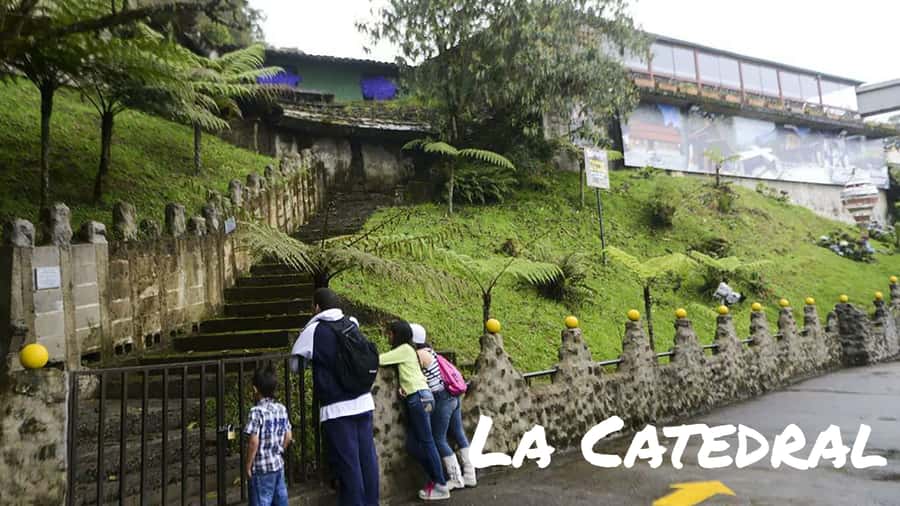
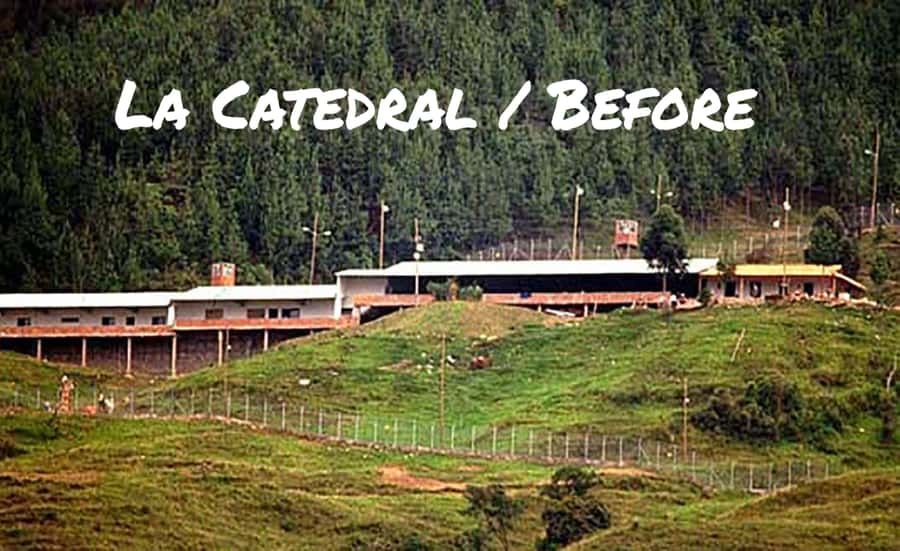
La Catedral is the main reason many people will consider this tour. Escobar built the site himself and used it as his luxury prison and place of escape.
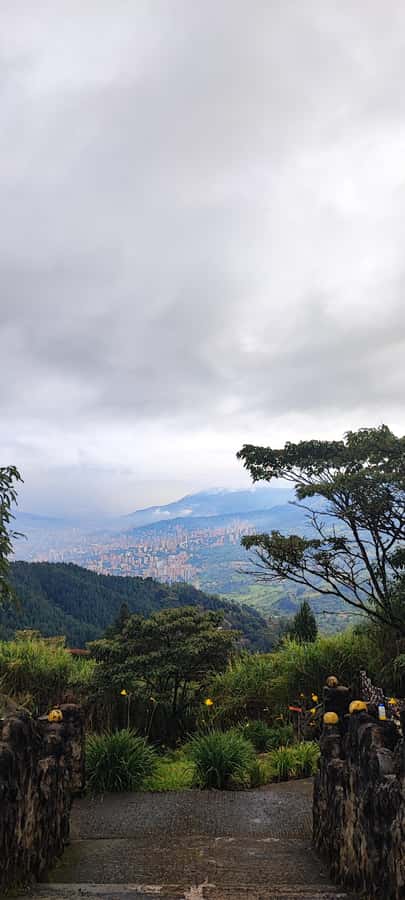
The basic idea is startling: a convicted criminal was confined in a facility that offered comforts and control far beyond an ordinary prison. Visiting the site helps you understand the unusual arrangement through the physical setting, the guide’s explanation, and the panoramic views from the hillside.
The views are one of the tour’s strongest visual rewards. From the former prison site, you get strategic high-up views over the surrounding area. This makes La Catedral more than a building with a famous name. Its location helps explain why it could serve as a refuge and why the setting mattered.
You should also keep the visit grounded. The supplied information confirms entrance to the former prison, but it does not promise that every original room, furnishing, or interior feature remains intact. Conditions at historical sites can change, so focus on the place, its setting, and the story rather than expecting a preserved luxury compound.
The site is also a good test of the tour’s tone. La Catedral can easily be treated as a bizarre celebrity attraction. The better approach is to see it as evidence of power, privilege, and institutional failure. The guide’s job is to help you understand how such a prison arrangement was possible and what it reveals about that period.
What the private format adds to a six-hour day
The private format is not just a label. It affects how you use the six hours.
You can ask for more explanation at La Catedral, spend less time on a stop that interests you less, or request a different pace within the available schedule. Daniel was specifically praised for responding to the group’s wishes, which is exactly the sort of advantage you want from a private tour.
You also avoid sharing the vehicle with a large group. That can make a sensitive subject easier to discuss, especially if you have questions about the difference between public charity and criminal power. The bilingual Spanish and English service is another practical benefit for mixed-language groups.
The tradeoff is cost. At $160 per person, this is not the inexpensive way to check off a few Escobar locations. The price includes hotel pickup and drop-off, a private air-conditioned vehicle, a bilingual guide, entrance to La Catedral, entrance to the Pablo Escobar monument, and travel and personal belongings insurance in case of an accident.
The value improves if you are traveling with several people who can share the private experience, or if you place a high value on comfort and direct access. It is harder to justify if you are mainly looking for a quick photo at one famous site.
Food, clothing, and other useful planning tips
Food is not included, so bring cash for snacks and drinks. The tour lasts approximately six hours, and the schedule may not suit you if you need a regular restaurant stop built into the day.
Comfortable shoes are a smart choice. You will be moving between several sites, and La Catedral is not presented as a flat, urban attraction. Comfortable clothes and sunscreen are also recommended.
The tour is not suitable for children under 15. That age limit makes sense given the violence, drug trafficking, prison conditions, and difficult political history involved.
Cancellation is flexible up to 24 hours before the tour for a full refund. You can also reserve now and pay later, which helps if your Medellín plans are still shifting. These terms are useful, but they should not be the main reason you book. The real decision is how much you value a private, guided treatment of this subject.
Who should book this experience
I would recommend this tour to you if you want more than the most famous Escobar photo stops. It suits people who care about context, Medellín’s recent past, and the way poverty, public generosity, violence, and political power became tangled together.
It is also a good fit if you want hotel pickup, an air-conditioned vehicle, English or Spanish guiding, and a private schedule. The experience received a perfect rating from the three reviews supplied, and the strongest praise focused on the guide’s storytelling, timing, useful background information, and flexibility. Those are exactly the qualities that can make a six-hour history tour feel worthwhile.
You may want another option if $160 per person stretches your budget, if you prefer a lighter sightseeing day, or if you are uncomfortable visiting places tied to a violent criminal figure. The educational tone helps, but the subject remains heavy.
Should you book the La Catedral tour?
Book it if you want a careful, private look at Pablo Escobar’s impact on Medellín and you value door-to-door comfort. The combination of La Catedral, the Monaco Building site, the neighborhood project, the cemetery, and the death site gives you a fuller route than a single-location visit.
I would especially consider it for a small group that can share the cost and wants time to ask questions. Daniel’s praised flexibility is a useful sign of what to seek from the experience, though you should confirm your guide’s name when booking.
Skip it if your priority is low price or a short outing. At $160, the tour earns its value through private transportation, entrance fees, bilingual guidance, and a serious attempt to explain rather than glorify. That is a fair deal for the right kind of visitor, but not an automatic bargain.
FAQ
How long does the tour last?
The tour lasts approximately six hours, including pickup and return within Medellín’s metropolitan area.
Where does the tour begin and end?
Pickup is provided in Medellín at your lodging or another meeting point you indicate. Drop-off is provided wherever you request within the metropolitan area.
Is the tour private?
Yes. It is offered for a private group, with private transportation and personalized attention.
What languages are available?
The live guide service is available in English and Spanish.
Is food included?
No. Food is not included, so bring cash if you want to buy snacks or drinks during the tour.
What places are included?
The route includes the former Monaco Building site, now Parque de la Inflexión, a neighborhood Escobar built for poor residents, his tomb at Jardines Montesacro cemetery, the place where he died, and La Catedral, his former luxury prison.
Is entrance to La Catedral included?
Yes. Entrance to the former La Catedral prison is included, along with entrance to the Pablo Escobar monument.
Can children join the tour?
No. The experience is not suitable for children under 15.
Just added in Medellin
- Tour Peñol-Guatape privado: con desayuno, almuerzo y bote★ 5.0 · 1 review
- Silletero Tour – From Medellín★ 5.0 · 1 review
- Tour Medellín: Commune13 and Pablo Escobar + Rooftop★ 5.0 · 2 reviews
- Tour Medellín: Pablo Escobar and Commune 13★ 5.0 · 3 reviews
- Medellin: Tour Pablo Escobar Privado Con Guia Local★ 5.0 · 1 review
- Tour Guatapé – Piedra del Peñol with departure from Medellín★ 5.0 · 24 reviews
- Tour Guatapé: luxury yacht to the stone of Peñol.★ 5.0 · 2 reviews
- Tour Guatapé con visita a Granja de las Llamas y las Alpacas★ 3.5 · 11 reviews