
REVIEW · COLOMBIAN COFFEE TOURS
Medellin to Fredonia for a Coffee Day Tour
Coffee tastes better when you know its path. This 10.5-hour Fredonia tour takes you from Medellín into Antioquia’s mountain country, where coffee is grown, picked, processed, and tasted close to the source. I like the hands-on farm work and the chance to see a less-visited town, though the long day and rough walking may not suit everyone.
I also like that the price includes round-trip transportation, tolls, breakfast, lunch, and a tasting workshop. Guide Andres is especially useful for English-speaking visitors, and AKIHIKO from Japan praised his care and strong English during the farm visit.
The main drawback is physical: this is not suitable for people with mobility impairments. You should also expect a long road day, with the first breakfast stop arriving as late as 1.5 hours after departure.
In This Review
- Key points to know before you book
- Why Fredonia makes a good coffee day from Medellín
- Starting from Medellín and reaching Fredonia
- Fredonia town walk and guided introduction
- From coffee plant to picked bean
- Pests, bacteria, and the less glamorous side of coffee
- Pulping, washing, drying, and quality checks
- Lunch and the tasting workshop
- Is $105 a fair price?
- Who should book this coffee day?
- Should you book the Fredonia coffee tour?
- FAQ
- Where does the tour depart from?
- Where does the tour take place?
- How long does the tour last?
- What languages are offered?
- What meals are included?
- Is transportation included?
- Is coffee tasting included?
- Can I cancel for a full refund?
- What should I bring?
- Is the tour suitable for people with mobility impairments?
Key points to know before you book
- Fredonia offers more than a coffee farm: You get a guided look at an uncommon Antioquia town before heading further into coffee country.
- You take part in farm work: Planting, picking ripe beans, and learning about production make this more than a sightseeing ride.
- The full coffee chain is explained: Pulping, washing, drying, pest control, and quality checks all have a place in the day.
- Small groups keep the outing personal: The group is limited to 10 people, with English and Spanish guiding.
- Meals are included: Breakfast and lunch help make the $105 price easier to judge.
- Bring insect repellent: The farm setting includes plants, forests, and water sources, so this is practical advice, not a packing extra.
Why Fredonia makes a good coffee day from Medellín
Medellín is the easy base for exploring Antioquia, but a coffee lesson gives you a reason to leave the city. Fredonia provides a change of pace, with town streets, mountain views, and farms tied to the region’s coffee economy.
I like the choice of Fredonia because it is not presented simply as a famous coffee attraction. You get time to see the town, walk through it, and understand the setting before focusing on the beans. That makes the day feel connected to local life rather than built around a single tasting counter.
The tour also puts local farmers at the center. Your payment supports a small-scale local economy, and the farm visit shows the work behind a product that is often treated as an anonymous item on a café menu. You can see why coffee depends on altitude, weather, careful labor, and patient processing.
The stated growing range is generally 1,200 to 2,000 meters above sea level. That detail matters because Colombian coffee is shaped by its mountain conditions, not just by the final roasting or brewing step.
More coffee tours in Medellin:
- Half Day Bike Tour in Medellin – Local snack, Coffee or Beer
★ 5.0 · 2,509 reviews - Half-Day Coffee Tour: From the Seed to the Cup, Farm & roastery
★ 5.0 · 1,418 reviews - Medellin: Coffee Tour with Transport, Snacks and Tastings
★ 4.7 · 1,357 reviews
Starting from Medellín and reaching Fredonia
Pickup is available in El Poblado, Envigado, Laureles-Estadio, Medellín, and La Floresta. These options cover several useful parts of the city, but you should check the exact pickup time when booking because the day begins early enough to require some planning.
Round-trip transportation and tolls are included. That is a real advantage for a full-day outing into the hills, since you do not need to arrange a separate car, work out the route, or worry about returning after a long day.
The first stop is breakfast in Fredonia. It lasts about 30 minutes, but the schedule notes that breakfast may not happen until 1.5 hours after departure. If you wake up hungry, eat something small before pickup. You will appreciate the included breakfast more if you treat it as the first scheduled meal rather than an immediate morning snack.
The drive is part of the cost calculation. At $105 per person, this is not a cheap coffee tasting, but it includes transport, tolls, two meals, a guide, farm instruction, and the tasting session. You are paying for a complete day outside Medellín, not just a cup of coffee and a short explanation.
Fredonia town walk and guided introduction
After breakfast, you get a 30-minute guided tour in Fredonia, followed by a walk lasting about 1.5 hours. This is one of the most useful parts of the schedule because it gives the town its own place in the day.
I would pay attention to how the guide connects Fredonia with coffee production and the broader economy of Colombia. The tour is designed to explain coffee’s worldwide story and its effect on Colombian culture and business. That context helps you understand why a farm visit matters beyond the photo opportunity.
The long walk also changes the rhythm. You are not being hurried from a vehicle to a farm and back again. Instead, you have time to move through town and get a feel for Fredonia as a living place.
Still, the walk is a clear consideration. The activity is specifically not suitable for people with mobility impairments, and the day includes additional movement at the farm. Wear sturdy, comfortable shoes and expect a full day on your feet. The schedule does not promise an easy, level route, so anyone with walking concerns should ask before booking.
After the walk, there is a 20-minute break. It is short, but useful. Use it to rest, drink water, and prepare for the more hands-on portion of the day.
From coffee plant to picked bean
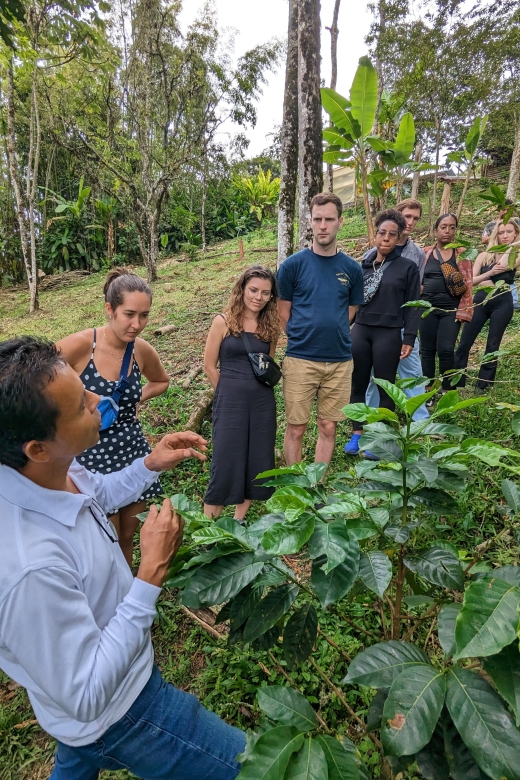
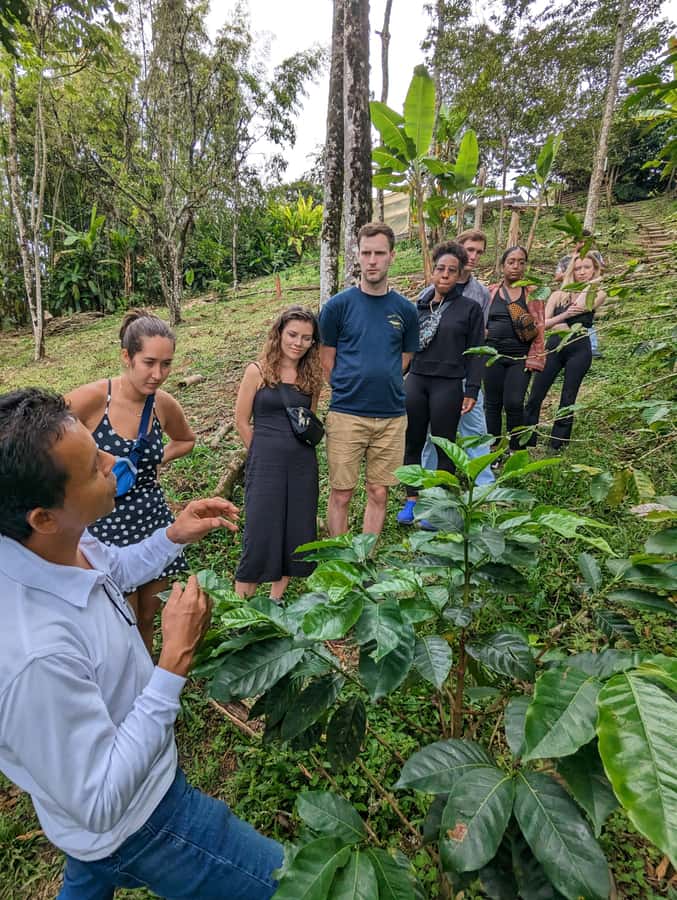
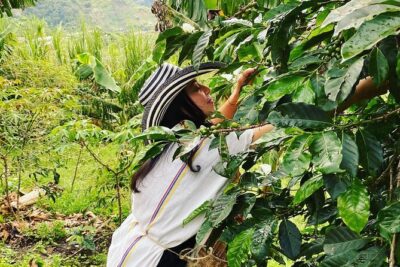
The farm visit is the heart of the experience. You enter a working coffee farm surrounded by mountain scenery, green forest, coffee plants, and water sources. Instead of standing at the edge while someone else explains the work, you are invited to participate.
The activities cover planting and harvesting, including picking ripe coffee cherries. This gives you a practical sense of the crop cycle. Coffee does not begin as a polished brown bean in a bag. It starts as a plant that must be cared for, checked, and harvested at the right stage.
The harvest activity earned special praise from AKIHIKO, who enjoyed walking through the farm and taking part in the picking. The farm family also made him feel comfortable, which matters on a visit built around local contact. You should expect a friendly family setting rather than a large commercial attraction.
The exact amount of work can vary with the farm’s conditions and the season, but the purpose is clear: you learn by doing. You may handle the plants, help with farm tasks, and see how labor-intensive coffee production can be.
This is also where the tour’s support for local farmers becomes more concrete. You are not only hearing that agriculture matters to Colombia. You are spending time in a place where families have kept coffee practices going over the years.
More things to do in Medellin:
- Medellin: Comuna 13 Graffiti Tour, Cable Car & Street Food
★ 4.8 · 9,046 reviews - Comuna 13 Graffiti Tour with Street Food
★ 5.0 · 7,503 reviews - Museo Pablo Escobar
★ 5.0 · 7,242 reviews - Guatapé Tour: Piedra del Peñol with Boat Tour, Breakfast, Lunch
★ 5.0 · 7,035 reviews
Pests, bacteria, and the less glamorous side of coffee
Coffee tours often focus on attractive plants and pleasant aromas. This one also explains pests and bacteria that can harm the crop. That may sound less cheerful, but it gives you a more honest view of farming.
Disease and pests can affect the quantity and quality of coffee. Colombian farmers have preserved traditional agricultural practices while dealing with these problems, and the guide explains how those practices fit into production.
I value this section because it keeps the experience from becoming a simple celebration of the finished product. You learn that good coffee depends on daily attention, not just fertile soil and a scenic farm.
The tour’s emphasis on process also gives you questions to ask. How are ripe beans identified? What happens after picking? How are damaged beans handled? The schedule promises information about these stages, although it does not specify every farming technique used at the particular farm. You should see the tour as an introduction to coffee production, not a professional agricultural course.
Pulping, washing, drying, and quality checks
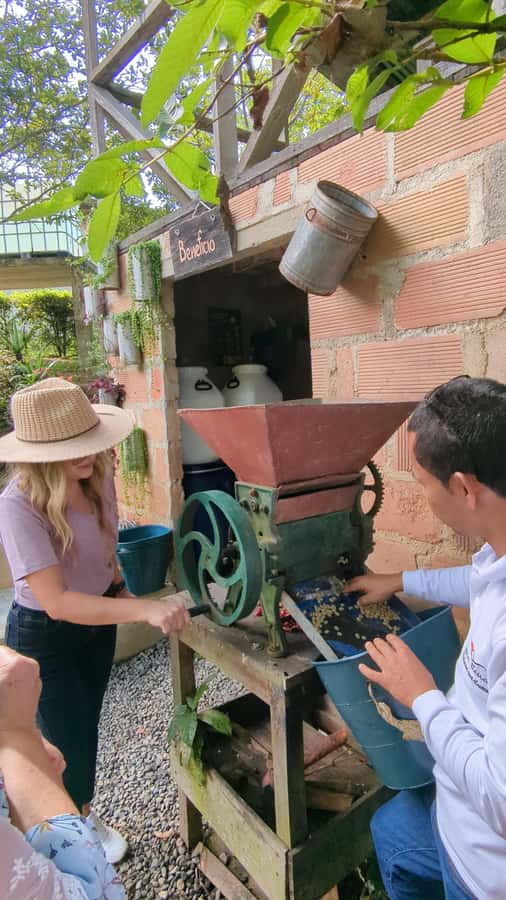
The final farm lesson covers the steps after harvest. You see how coffee cherries are pulped, washed, and dried. These stages remove the fruit and prepare the beans for later use.
This is where a coffee drinker can start to connect taste and process. The coffee bean is not ready when it leaves the plant. It needs careful handling, and quality controls help protect its authenticity and standard.
The tour explains how Colombian coffee is checked for quality. The information is useful even if you do not plan to buy coffee afterward, because it gives you a better way to think about labels, origin, and production claims.
Products are not included in the tour price. If you want to purchase coffee or other items, budget separately. The experience includes the tasting workshop, but buying farm products is an extra rather than part of the package.
Lunch and the tasting workshop
Lunch lasts about 40 minutes and is included. That makes a difference on a 630-minute outing. You will have already spent time walking and working at the farm, so a planned meal keeps the day from turning into a series of rushed stops.
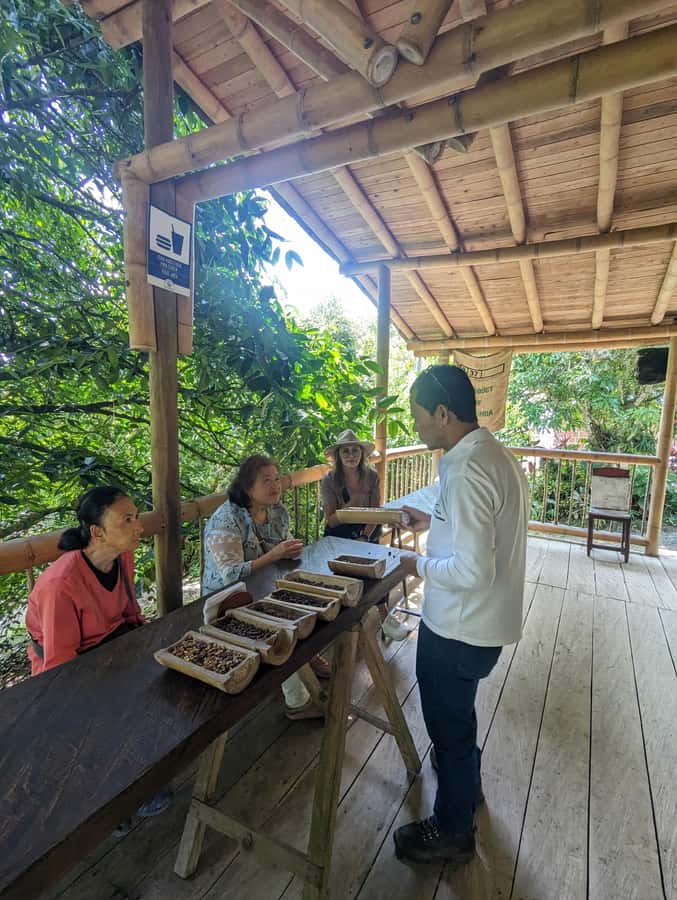
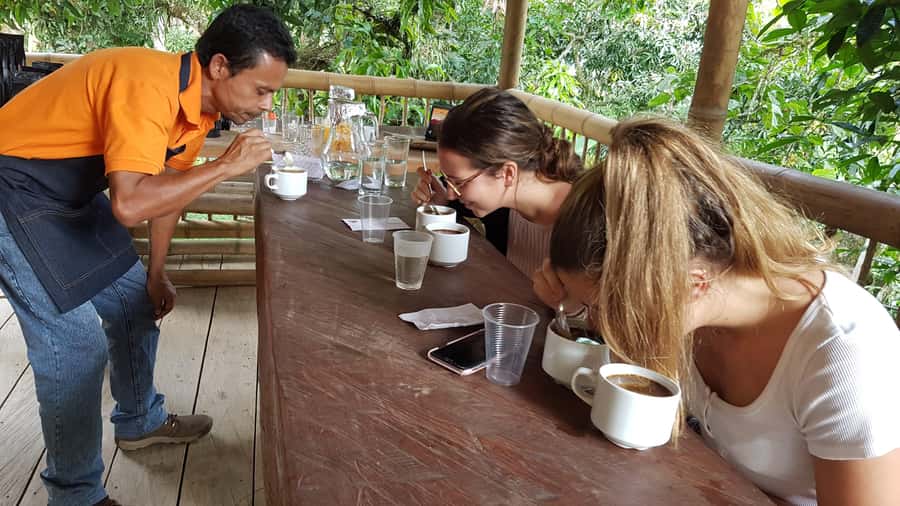
The tasting workshop also lasts about 40 minutes. It is the final practical link between the farm and your cup. After seeing planting, picking, pulping, washing, drying, and quality control, you can approach the tasting with more context.
Do not expect the tasting to replace a full coffee certification class. The tour is aimed at curious visitors who want to understand Colombian coffee in a direct, approachable way. Still, the workshop should help you notice how production affects what you drink.
English and Spanish are available. AKIHIKO specifically found Andres’s English strong and his help valuable throughout the day. For an English-speaking visitor, having a guide who can explain both farming terms and local context clearly is a major benefit.
The group limit is 10 people. That is small enough to make questions practical and to avoid the feel of a large bus excursion. It also means the farm work and tasting may feel more personal. The actual group size can vary up to that limit, but you should not expect a private tour.
Is $105 a fair price?
At $105, the tour costs more than a basic Medellín coffee tasting. The comparison is not quite fair, though, because this is a full-day trip to Fredonia with transportation, tolls, breakfast, lunch, a guide, farm activities, and a tasting workshop.
I see the value in three parts. First, transport removes the trouble of arranging a long round trip from Medellín. Second, the farm visit includes participation, not only observation. Third, meals and the town visit make the day feel like a wider Antioquia outing rather than a single attraction.
The price will make less sense if you only want to sample coffee or if you dislike long days in rural areas. You are paying for time, access, instruction, and local contact. If your main goal is to buy a bag of beans, a shorter coffee activity in Medellín may be enough.
The small group and bilingual guide also support the price. Andres’s careful attention was especially helpful to AKIHIKO, and that kind of communication can make technical subjects much easier to follow.
Who should book this coffee day?
I would recommend this tour to you if you want to understand coffee from plant to cup and enjoy participating in the work. It suits curious first-time visitors, coffee drinkers who want more context, and anyone looking for a full day outside Medellín.
It is also a good match if you value local contact. The farm family’s friendly welcome and the focus on supporting farmers give the day a human side. You are not just looking at scenery through a vehicle window.
You should think twice if you have mobility limitations, dislike walking, or want a short and relaxed morning. The schedule runs for 10.5 hours, includes a 1.5-hour walk in town, and adds farm activity on top of that.
Pack insect repellent, comfortable walking shoes, and enough patience for a rural schedule. The first meal may come well after departure, and the day has several fixed sections, so this is not a flexible stop-and-go outing.
Should you book the Fredonia coffee tour?
Book it if you want the full story of Colombian coffee, from planting and picking to washing, drying, quality checks, and tasting. The combination of Fredonia’s town walk, a family-run farm setting, bilingual guiding, and hands-on harvest work gives the day more substance than a standard tasting.
Skip it if you want a quick coffee experience, need easy walking conditions, or would not use the included meals and transport. For the right visitor, $105 is a reasonable price for a long, well-filled day that puts local farmers and real production work at the center.
FAQ
Where does the tour depart from?
Pickup is available in El Poblado, Envigado, Laureles-Estadio, Medellín, and La Floresta.
Where does the tour take place?
The experience takes place in Fredonia, in Antioquia, Colombia, including the town and a local coffee farm.
How long does the tour last?
The tour lasts 630 minutes, or 10.5 hours. Starting times depend on availability.
What languages are offered?
The live guide is available in English and Spanish.
What meals are included?
Breakfast and lunch are included. Breakfast lasts about 30 minutes, and lunch lasts about 40 minutes.
Is transportation included?
Yes. Round-trip transportation and tolls are included.
Is coffee tasting included?
Yes. A tasting workshop lasting about 40 minutes is included.
Can I cancel for a full refund?
Yes. You can cancel up to 24 hours in advance for a full refund. You can also reserve now and pay later.
What should I bring?
Bring insect repellent. Comfortable walking shoes are also a sensible choice for the town walk and farm activities.
Is the tour suitable for people with mobility impairments?
No. The experience is not suitable for people with mobility impairments.
Just added in Medellin
- Silletero Tour – From Medellín★ 5.0 · 1 review
- Tour Peñol-Guatape privado: con desayuno, almuerzo y bote★ 5.0 · 1 review
- Tour Medellín: Commune13 and Pablo Escobar + Rooftop★ 5.0 · 2 reviews
- Tour Medellín: Pablo Escobar and Commune 13★ 5.0 · 3 reviews
- Medellin: Tour Pablo Escobar Privado Con Guia Local★ 5.0 · 1 review
- Tour Guatapé – Piedra del Peñol with departure from Medellín★ 5.0 · 24 reviews
- Tour Guatapé: luxury yacht to the stone of Peñol.★ 5.0 · 2 reviews
- Tour Guatapé con visita a Granja de las Llamas y las Alpacas★ 3.5 · 11 reviews
Colombian Coffee Tours, compared.
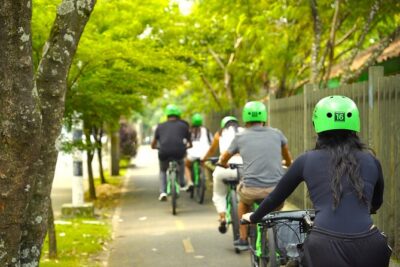
Half Day Bike Tour in Medellin – Local snack, Coffee or Beer
Read our review →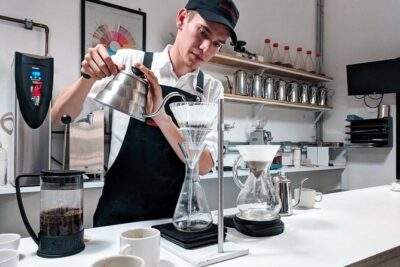
Half-Day Coffee Tour: From the Seed to the Cup, Farm & roastery
Read our review →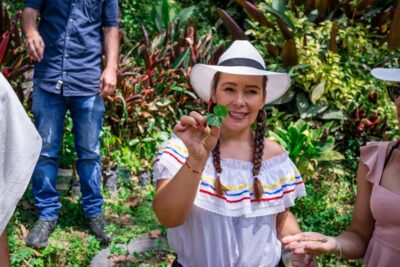
Coffee Tour with Transport, Snacks and Tastings
Read our review →
Electric Bike City Tour Medellin With Colombian Coffee and Snack
Read our review →
Private Coffee Farm Tour in Medellin: Real Authentic Experience
Read our review →
Guatape & Coffee Farm & El Peñol Rock & Quaint Town: Best Combo
Read our review →
Coffee tour in Medellín with tastings and transportation
Read our review →Browse the lists this tour appears in