
REVIEW · MARKETS
Medellín Multi-sensory Tour in the market, +15 Exotic Fruits
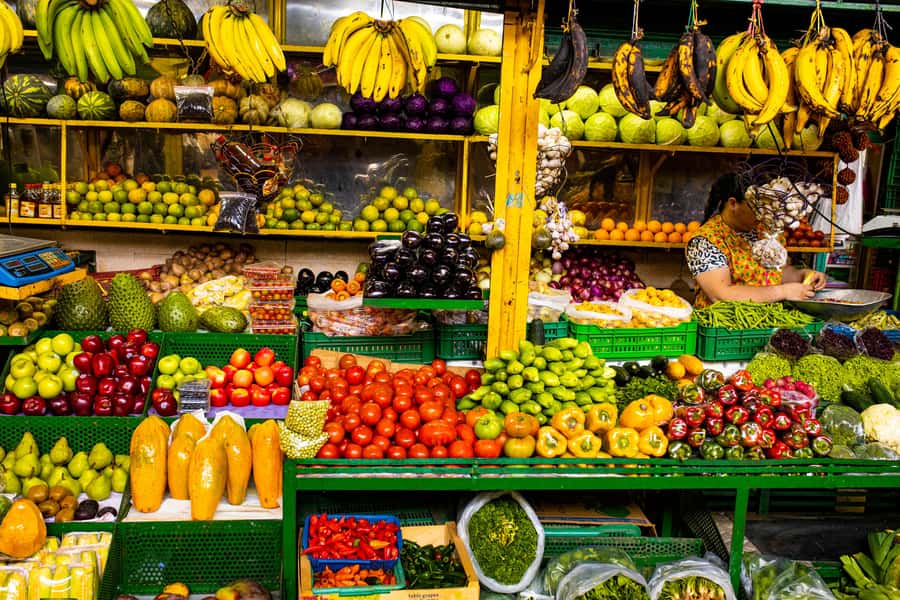
Come hungry, leave with a new fruit vocabulary. This Plaza Minorista tour turns a working Medellín market into a lively food lesson, with 15 to 20 Colombian fruits, local stories, and plenty of chances to chat with traders. I like the direct contact with vendors and the way guides connect each fruit to Colombian life. My one caution: the market is a real wholesale-and-retail food center, not a polished tourist attraction, so you should expect noise, crowds, strong smells, and busy walkways.
The $36 price is fair for a 2.5-hour experience that includes the guide, fruit tasting, juice, cleaning supplies, and a group capped at eight people. I especially like that the experience is led by people with real ties to the market, including Sergio, whose father has worked there for more than 20 years. You need comfortable closed shoes, and you should skip this tour if you have food allergies.
In This Review
- Key details before you book
- Why Plaza Minorista is the right setting
- Meeting at Puerta 1 with the purple umbrella
- The first 10 minutes: safety and a quick orientation
- The first tasting stop: color, smell, and familiar names
- The second 30-minute stop: meeting the people behind the stalls
- The third stop: a fuller taste of Colombia
- The final 30 minutes: juice and a last market pause
- What you are likely to taste
- Why the small group and local connection matter
- Is $36 a good value?
- Who should book this experience?
- Should you book the Medellín fruit market tour?
- FAQ
- How long does the Medellín fruit market tour last?
- Where does the tour meet?
- How many fruits are included?
- Is fruit juice included?
- What else is included?
- Is water included?
- Which languages are available?
- What should I bring, and what is not allowed?
Key details before you book

- More than a fruit tasting: You learn how Plaza Minorista works, how produce reaches the stalls, and why the market matters to Medellín’s local economy.
- The fruit count can climb: The advertised tasting includes 15 to 20 varieties, but some departures have included 23, 25, 30, or even 31 fruits, depending on the harvest.
- Small groups matter: With no more than eight people, you can hear the guide, ask questions, and interact with traders without forming a large crowd.
- A market with family ties: Sergio and other guides have personal connections to the plaza, which helps open conversations with longtime sellers.
- Plan for a full morning: The tour lasts 150 minutes and takes place in the morning, when the market is at its most active.
- Bring identification and closed shoes: A passport or ID card is required, a copy is accepted, and sandals or flip flops are not allowed.
Why Plaza Minorista is the right setting
Plaza Minorista José María Villa has been an economic center of Medellín since 1984. It is not simply a place where you stop for a snack. It is where produce moves, sellers earn a living, and residents shop for everyday food.
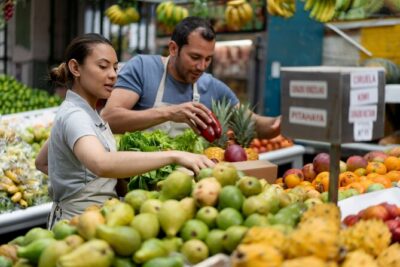
That makes the setting useful for understanding the city. You see piles of fruit, but you also see the human system behind them: traders receiving goods, arranging displays, speaking with regular customers, and deciding how to present produce at its best.
The market is large enough that going alone can feel confusing. A local guide helps you understand which aisles matter and how the different parts of the market fit together. The experience also gives you a reason to pause at stalls you might otherwise walk past.
You should expect a working market rather than a quiet cultural exhibit. The floor may be crowded, conversations can be loud, and the smells change from one aisle to the next. That is part of the appeal, but it may not suit anyone looking for a slow, tidy food tour.
More markets in Medellin:
- Private Tour to Comuna 13 & Exotic Fruit Market in Medellin!
★ 5.0 · 41 reviews - Cartagena: Cultural tour Bazurto Market Adventure
★ 5.0 · 200 reviews - Bike Tour in Bogota Historical Sites and Fruit Market
★ 5.0 · 171 reviews
Meeting at Puerta 1 with the purple umbrella
Your meeting point is the main entrance, Puerta 1, marked P1. This detail matters because Plaza Minorista has several entrances, and arriving at the wrong door can waste time before the tour even begins.
Look for the guide with a purple umbrella. It is a simple but useful marker in a busy entrance area. Give yourself enough time to find Puerta 1, especially if you are unfamiliar with the market.
One practical note comes from the route to the meeting point. A past participant advised taking care on the walk from the metro because people experiencing homelessness may be present along the way. That does not define the market itself, but it is sensible to stay aware of your surroundings and keep valuables secure.
The guide speaks English or Spanish. You should bring your passport or identification card, though a copy is accepted. Closed, comfortable shoes are required. The tour includes walking through market aisles, so flip flops and loose beach footwear are poor choices even aside from the rules.
The first 10 minutes: safety and a quick orientation
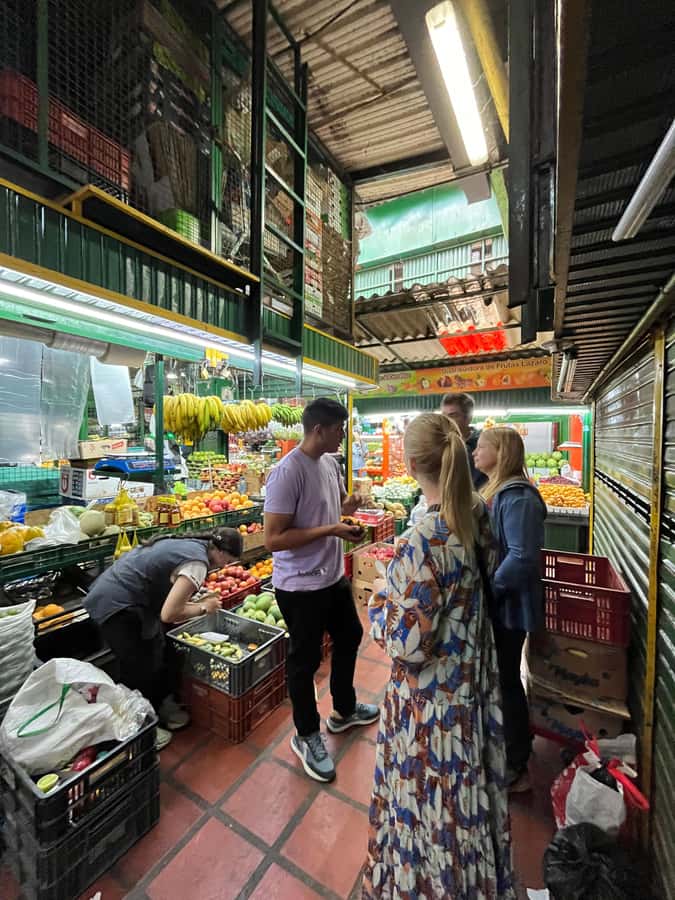
The tour opens with a guided introduction and a 10-minute safety briefing. This may sound basic, but it is useful in a market where people, carts, boxes, and customers are all moving through the same space.
You get your bearings before the tasting begins. The guide can explain how to move through the plaza, how the visit will be organized, and what to expect from the stalls.
I like this opening because it sets the right tone. You are not being led through a staged attraction. You are entering a place that serves local shoppers and traders every day, so a short briefing helps you behave respectfully and avoid blocking the work of the market.
The first tasting stop: color, smell, and familiar names
After a short five-minute walk, the first main stop combines sightseeing, a photo opportunity, and food tasting. This portion lasts about 30 minutes.
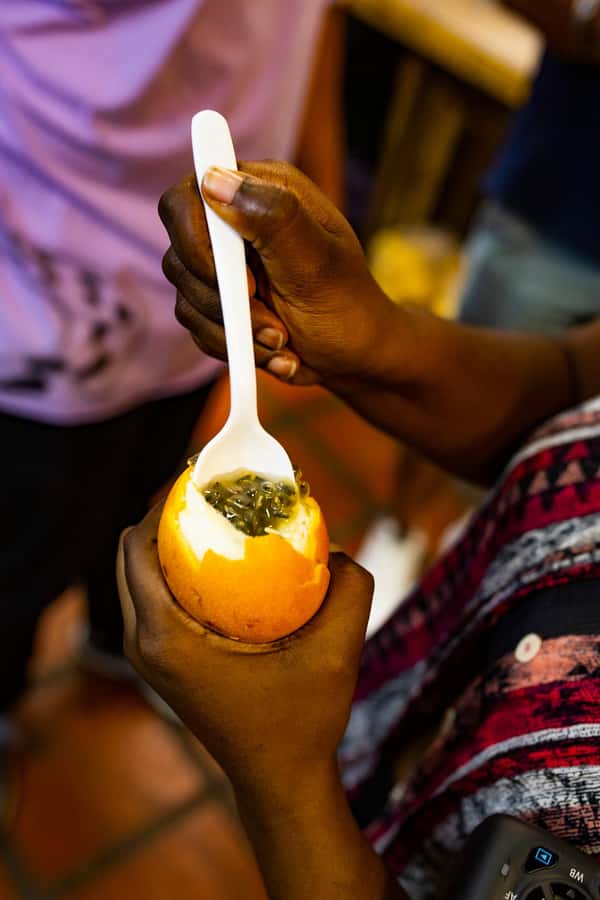
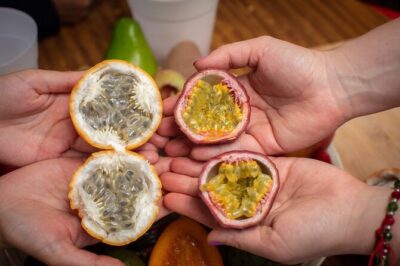
You may begin with fruits that are familiar in name but different in Colombian form, such as mango, guava, lulo, or granadilla. The guide explains how each fruit tastes and may show you different ways to eat it. Several tastings have included fruit with lime and salt, or with condensed milk, so the experience is not limited to eating each item plain.
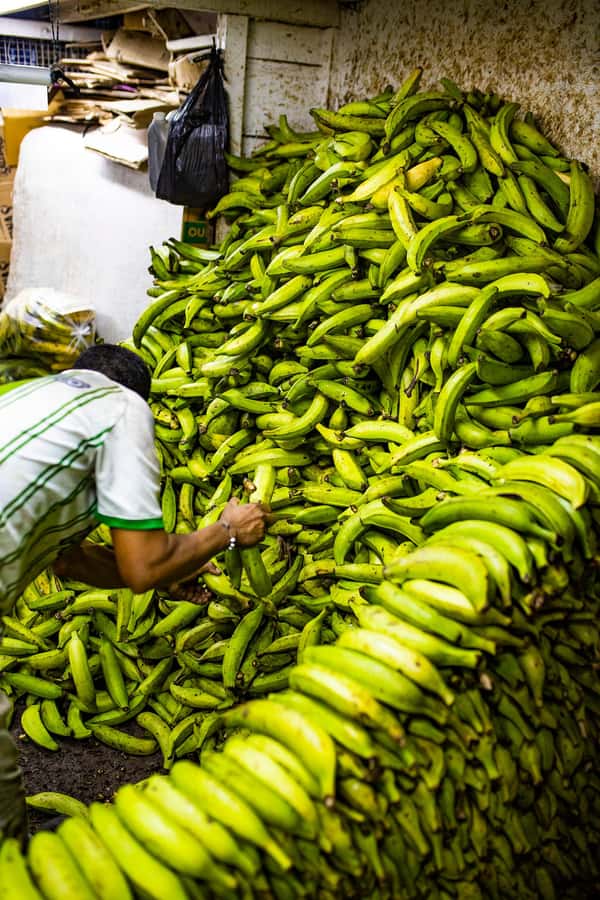
The market itself provides much of the entertainment. You move past piles of pitahayas, guanábanas, guavas, and other produce while the guide points out details that are easy to miss. The color and smell route is as important as the tasting table because it lets you see how fruit is displayed and sold.
This is also a good time for questions. If you want to know how to identify a ripe fruit, how to eat one at home, or where it comes from, ask while you are standing beside the stall. The guide can connect the food to the people who sell it.
A completely different kind of day:
- Medellin: Comuna 13 Graffiti Tour, Cable Car & Street Food
★ 4.8 · 9,046 reviews - Comuna 13 Graffiti Tour with Street Food
★ 5.0 · 7,503 reviews - Museo Pablo Escobar
★ 5.0 · 7,242 reviews - Guatapé Tour: Piedra del Peñol with Boat Tour, Breakfast, Lunch
★ 5.0 · 7,035 reviews
The second 30-minute stop: meeting the people behind the stalls
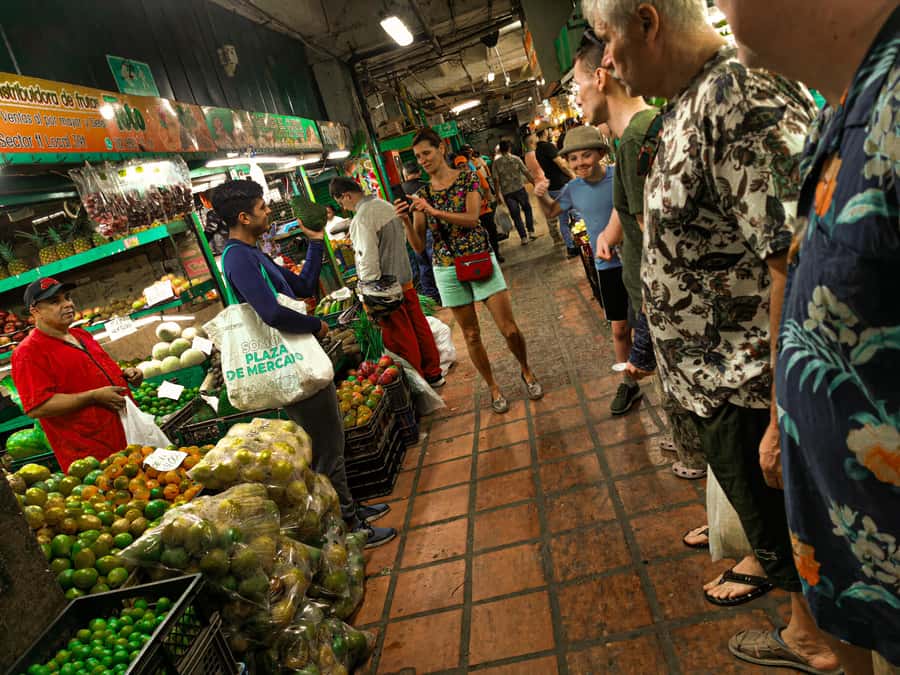
Another five-minute walk brings you to a second tasting section. Here, the human side of the market becomes more important.
The guides have strong relationships with sellers. Sergio, in particular, has worked in the market and grew up around it, while his father has worked there for more than two decades. That background gives him personal stories and makes his conversations with traders feel natural rather than arranged for show.
You may hear about sourcing, stall routines, and market anecdotes. The point is not simply to memorize facts about fruit. It is to understand how the market functions and why traders take pride in their work.
This part can also make the visit feel less like sightseeing from a distance. You are introduced to people who have spent years handling the products you are tasting. If you are polite and curious, these brief exchanges add something a standard food sample cannot provide.
The experience is especially good for anyone who likes to meet local people but does not speak much Spanish. A bilingual guide can help you ask questions and understand the replies, while keeping the conversation comfortable for the seller.
The third stop: a fuller taste of Colombia
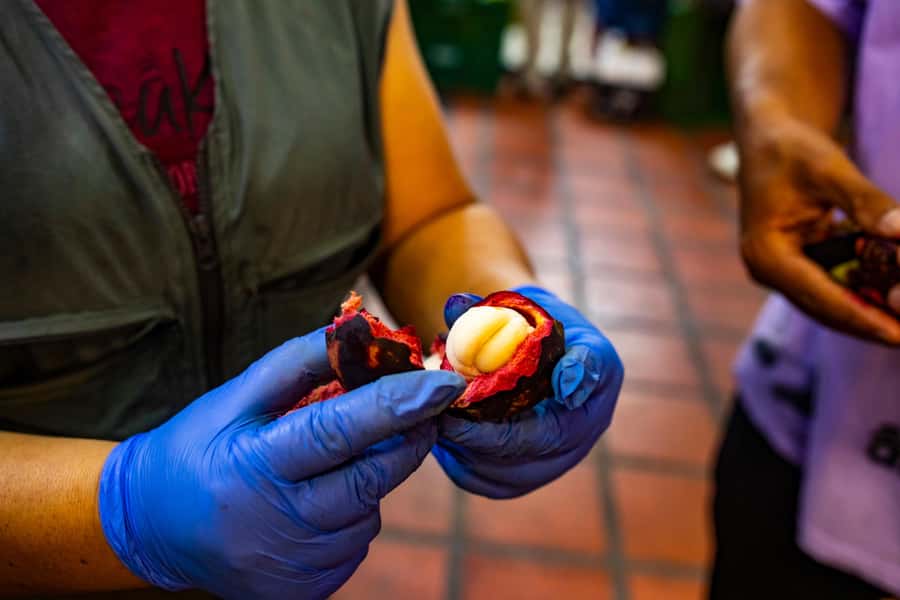
The third market section lasts another 30 minutes and gives the tasting room to expand. By this point, you may have tried well-known fruits alongside varieties you have never seen before.
The precise selection depends on the harvest. The promised range is 15 to 20 varieties, but some outings have reached the mid-20s or more. Past tastings have included 19, 20, 23, 24, 25, 30, and 31 fruits. You should not treat the highest number as guaranteed, but the seasonal variation is part of the experience.
This is where the tour can become a genuine meal replacement. Several people have advised eating only a light breakfast, and that is practical advice. A long series of juicy, sweet, tart, and unfamiliar fruits adds up quickly.
You may also receive a list of the fruits afterward. That is useful because the names can blur together after two hours of tasting. If you find a favorite, you can return to the market later and try to buy it yourself.
The final 30 minutes: juice and a last market pause
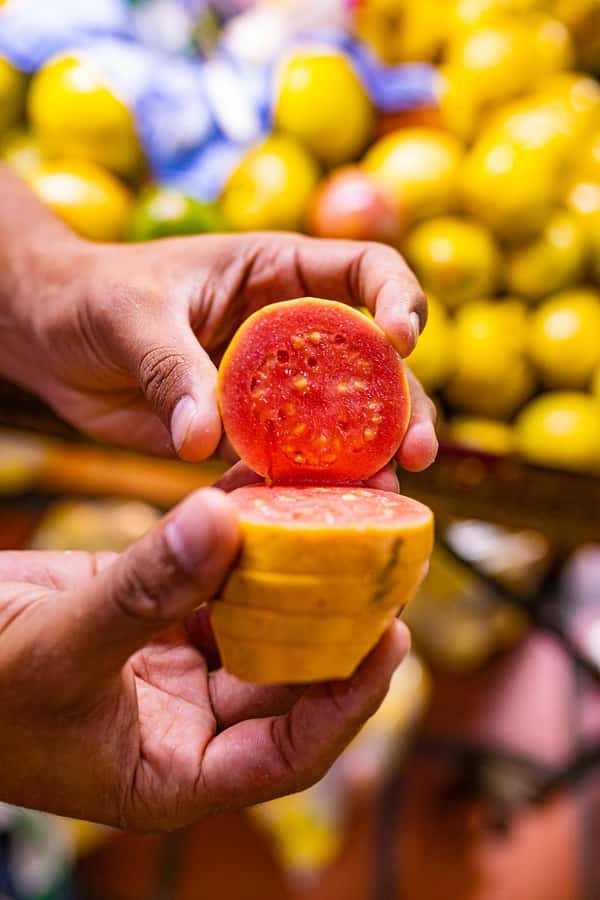
After another short walk, the last tasting section includes a break, more guided exploration, and a fruit juice. The juice is a pleasant finish because it changes the texture and lets you choose a familiar favorite or try something new in a drink.
The included juice adds value, but it also gives you a moment to slow down. Fruit tasting can become a lot to process, especially if you are trying several items with different flavors and textures.
The final section is also a chance to ask practical questions about Medellín, Colombian food, or the market. Guides such as Sergio have answered broader questions about the city and its past during the tour, so you are not limited to fruit facts.
At the end, you return to Plaza Minorista. Some people have bought additional fruit to take back to their hotel. The guide may help you choose good produce and communicate with sellers, though extra purchases are not included in the price.
What you are likely to taste
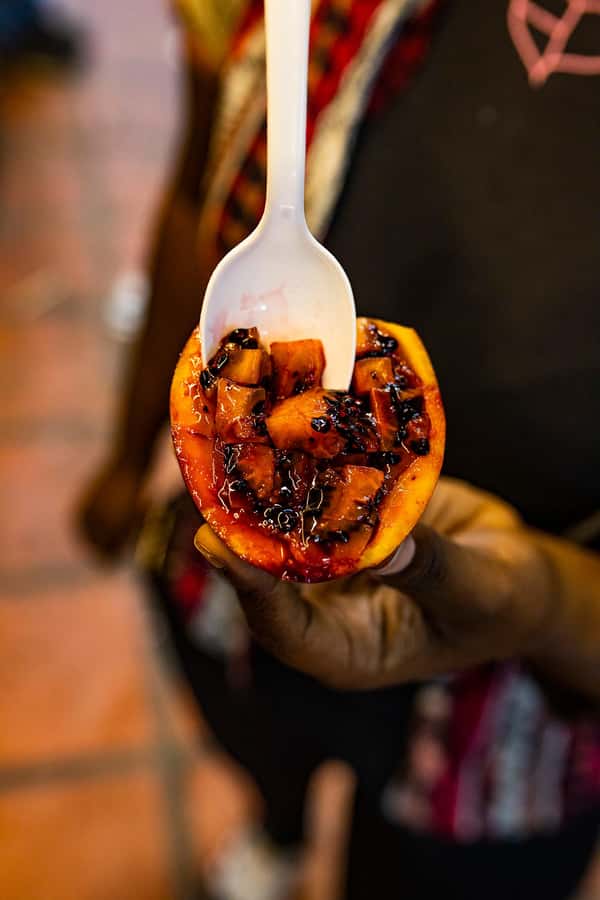
The exact menu changes with the harvest, but the tour specifically points to mango, lulo, and granadilla, along with pitahaya, guava, and guanábana. The pleasure comes from contrast: some fruits are sweet, some sharp, some creamy, and some require a little explanation before you know how to eat them.
I like that the guide presents the fruit in more than one way. Lime and salt can change a familiar fruit, while condensed milk offers a sweeter preparation. These small additions connect the tasting to local habits rather than treating every item like a museum sample.
You also learn about origins, uses, and cultural meaning. The focus is roughly 80 percent flavor and 20 percent history, so this is a food-first tour. If you want a long lecture on Colombian agriculture, this is not the right format. If you want stories in manageable pieces between samples, it works well.
The tour is not suitable for people with food allergies. You may not always know every ingredient or preparation in advance, so anyone with a serious allergy should not book this experience.
Why the small group and local connection matter
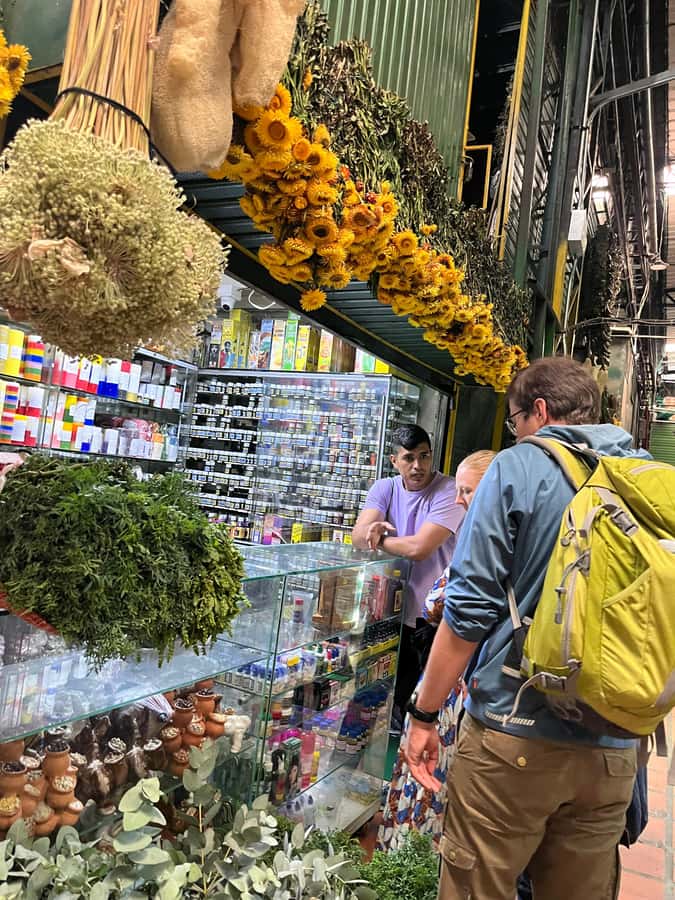
A maximum of eight participants is one of the strongest features. In a market, a large group can block aisles and turn every conversation into a performance. A small group lets you stand close enough to see the fruit, hear the guide, and move without creating a traffic jam.
The personal connection to the plaza is even more valuable. Guides have described growing up around the market, working there, and knowing many of the sellers. That local background helps explain why certain stalls are important and how the community supports the market.
The experience also aims to direct part of the ticket toward small producers in the plaza. That gives your purchase a practical local benefit, though you should view it as support for the market community rather than a guarantee that every fruit comes from a small farm.
The best guides add humor and warmth. Sergio, Adriana, Salome, Cheche, and Daniel have all been praised for their friendly approach, but guide assignments can vary. The consistent strength is the local knowledge and the effort to make visitors feel comfortable around the vendors.
Is $36 a good value?
At $36 per person, this is not the cheapest way to buy fruit in Medellín. You could spend far less at a single stall. But the price covers more than food.
You receive 2.5 hours with a guide, a structured route through a large market, 15 to 20 fruit samples, a juice, a spoon, napkins, hand-cleaning items, and fruit-cleaning supplies. The small group also changes the value. You are paying for access, explanation, translation, and context.
The price makes the most sense if you are new to Medellín or unsure how to approach Plaza Minorista on your own. It is also a strong choice if food is one of your main ways of understanding a place.
You may find less value if you already know the market well, speak fluent Spanish, and are comfortable selecting and tasting unfamiliar fruit without help. For most first-time visitors, though, the guide’s connections and the sheer number of samples make $36 reasonable.
Who should book this experience?
I would recommend it to food-focused visitors, curious first-time visitors to Colombia, responsible shoppers, and anyone who prefers local markets to polished attractions.
It works well for solo participants because the group is small and the guide helps create conversation. It also suits families with older children who are open to new tastes, although the tour is not designed specifically for young children.
You should think twice if you dislike crowded indoor markets, have food allergies, or want a quiet walking tour. The market is active and practical, and the tasting schedule is generous. Wear shoes you can walk in, eat lightly beforehand, and bring water because water is not included.
Booking is flexible: you can cancel up to 24 hours before the start for a full refund, and you can reserve now and pay later. Starting times vary, so you need to check availability when choosing a date.
Should you book the Medellín fruit market tour?
Book it if you want to understand Medellín through food and local people, not just through major sights. The fruit is the hook, but the real value is learning how Plaza Minorista operates and meeting sellers through guides who know the place personally.
I would choose this tour early in a Medellín visit. You get a list of fruits to look for later, ideas for local flavors, and enough market confidence to return on your own. Just arrive at Puerta 1, find the purple umbrella, wear closed shoes, and leave room for one more mango.
FAQ
How long does the Medellín fruit market tour last?
The experience lasts 150 minutes, or 2.5 hours.
Where does the tour meet?
You meet at the main entrance of Plaza Minorista José María Villa, specifically Puerta 1, marked P1. The guide carries a purple umbrella.
How many fruits are included?
The standard tasting includes 15 to 20 fruit varieties, depending on the harvest season. Some outings have included more than 20 varieties.
Is fruit juice included?
Yes. Fruit juice is included in the experience.
What else is included?
The price includes a walking tour, guide, fruit tasting, personal tasting spoon, napkins, hand-cleaning items, and fruit-cleaning supplies.
Is water included?
No. Water is not included, so bring your own.
Which languages are available?
The live guide is available in English or Spanish.
What should I bring, and what is not allowed?
Bring a passport or ID card. A copy is accepted. Wear comfortable shoes, and do not wear sandals or flip flops. The experience is not suitable for people with food allergies.
Just added in Medellin
- Tour Peñol-Guatape privado: con desayuno, almuerzo y bote★ 5.0 · 1 review
- Silletero Tour – From Medellín★ 5.0 · 1 review
- Tour Medellín: Commune13 and Pablo Escobar + Rooftop★ 5.0 · 2 reviews
- Tour Medellín: Pablo Escobar and Commune 13★ 5.0 · 3 reviews
- Medellin: Tour Pablo Escobar Privado Con Guia Local★ 5.0 · 1 review
- Tour Guatapé – Piedra del Peñol with departure from Medellín★ 5.0 · 24 reviews
- Tour Guatapé: luxury yacht to the stone of Peñol.★ 5.0 · 2 reviews
- Tour Guatapé con visita a Granja de las Llamas y las Alpacas★ 3.5 · 11 reviews
Markets, compared.
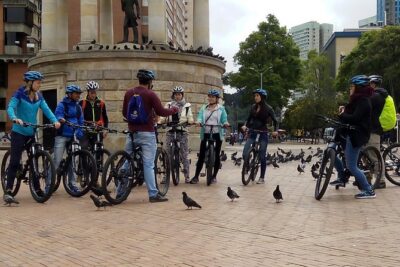
Bike Tour in Bogota Historical Sites and Fruit Market
Read our review →
Bazurto Market Tour and Cooking Class in Cartagena
Read our review →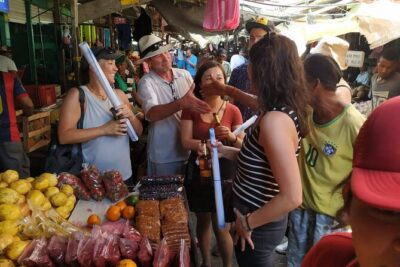
PALOQUEMAO MARKET FOOD TOUR. EXOTIC FRUIT. LOCAL SNACKS. /Min 2 pax
Read our review →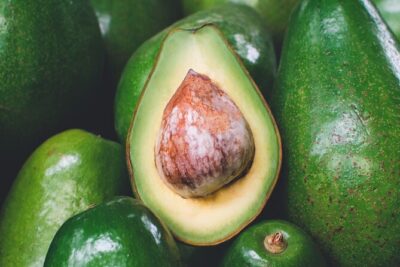
VIP Bogota City Tour: Farmers Market, Monserrate, Candelaria, 9hr
Read our review →
Shared Gastronomic Tour in the Alameda Cali Market
Read our review →Browse the lists this tour appears in