
REVIEW · PABLO ESCOBAR HISTORY TOURS
From Medellín: Private Pablo Escobar History Tour
Medellín’s past is impossible to ignore. This four-hour private tour takes you from El Poblado to Pablo Escobar’s grave, the site where he was killed, and a neighborhood he founded, giving you a direct look at the violence and recovery that shaped the city. I like the private format, which lets you ask questions and set the pace, and I like the focus on Medellín’s people rather than treating Escobar as a folk hero. The main drawback is that the tour has no dedicated museum visit, so you may want to add one elsewhere if you want documents, photographs, or more historical exhibits.
The guides are a major part of the appeal. Guides named Carlos Andres, Manuel, Jhon, Andres, and Sara have all been praised for clear explanations and personal insight, with Jhon described as someone who lived through those difficult years. I also like that you can add Comuna 13, turning a narrow Escobar tour into a broader look at Medellín’s violence, public art, and recovery.
In This Review
- Key points to know before booking
- What this Pablo Escobar tour is really about
- Starting in El Poblado at Parque de la Memoria
- Barrio Pablo Escobar and the uncomfortable question of charity
- Seeing the grave and the place where Escobar was killed
- The final house in its deteriorating state
- Adding Comuna 13 for a fuller Medellín story
- Why a private tour makes sense here
- Guides, language, and the human side of the tour
- Timing, pickup, and what to bring
- What this tour does well, and where it falls short
- Who should book this Medellín experience?
- Should you book the private Pablo Escobar History Tour?
- FAQ
- How long is the Pablo Escobar history tour?
- How much does the tour cost?
- Is the tour private?
- Is hotel pickup included?
- What languages are available?
- Which places connected to Pablo Escobar are included?
- Can I add Comuna 13?
- Is the tour wheelchair accessible?
- Is La Catedral open every day?
Key points to know before booking
- The former Monaco site begins the story: El Poblado’s Parque de la Memoria replaces the demolished Monaco building with a public space centered on art, culture, and memory.
- You visit places tied directly to Escobar: The route includes his grave, the place where he was killed, and the deteriorating house where he died.
- Barrio Pablo Escobar adds moral complexity: The neighborhood was founded to provide free homes for poor and homeless residents, but it remains tied to a brutal legacy.
- A private car and guide save time: Hotel pickup and drop-off are included for central Medellín hotels, with a nearby meeting point offered outside the service zone.
- Comuna 13 can change the feel of the day: Adding the famous graffiti district brings a more hopeful chapter of Medellín’s story into the tour.
- The tour is best for context, not polished exhibits: You see real locations, but the experience relies heavily on your guide’s storytelling.
What this Pablo Escobar tour is really about
This is not a glamorous gangster sightseeing trip. At its best, it is a short history lesson about fear, inequality, political violence, and the difficult work of rebuilding a city’s reputation.
Pablo Escobar was a drug trafficker who used money, intimidation, and violence to gain power. His story is famous around the world, but Medellín’s story is larger than his name. The tour tries to place him inside the city he damaged, showing both the harm he caused and the ways local people have worked to move forward.
That distinction matters. You will see sites connected to Escobar, but the strongest moments come when the guide explains what those sites meant to ordinary residents. Medellín suffered bombings, assassinations, fear, and social division during the worst years. The tour’s purpose is to help you understand that pain without turning it into entertainment.
I would approach this experience with respect. The subject is still personal and painful for many people. A good guide can explain the contradictions: Escobar gave homes to poor families, yet he also caused enormous suffering. Both facts can be true, and the tour is more useful when you hold them together.
More History Tours in Medellin
- Pablo Escobar Tour : Museum, History and Beer
★ 5.0 · 867 reviews - Shared Tour Historic Center of Medellin with Audio System
★ 5.0 · 523 reviews - Medellín Essential: history & local life on E-bike
★ 5.0 · 459 reviews
Starting in El Poblado at Parque de la Memoria
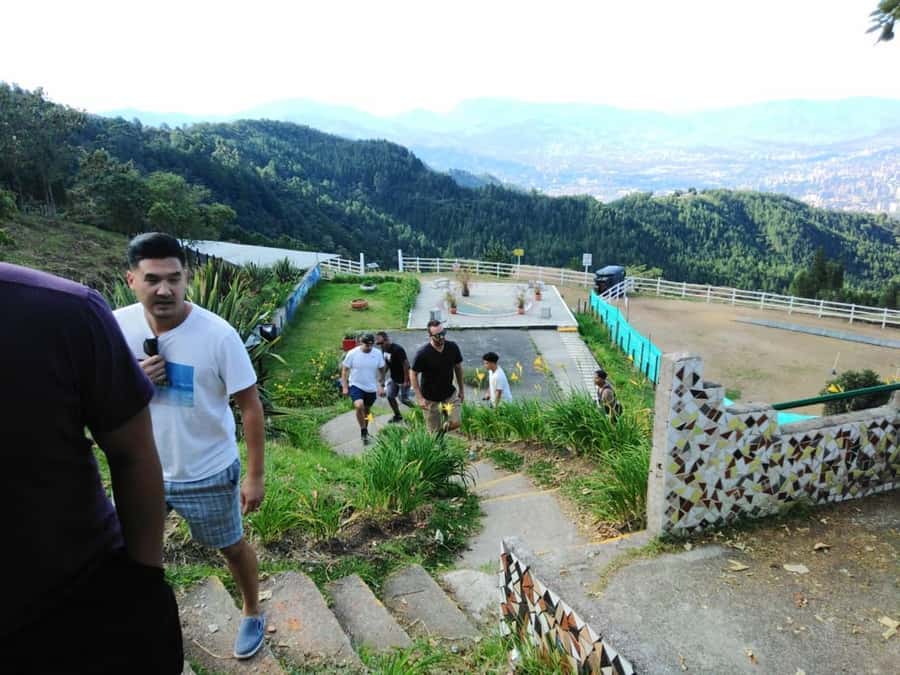
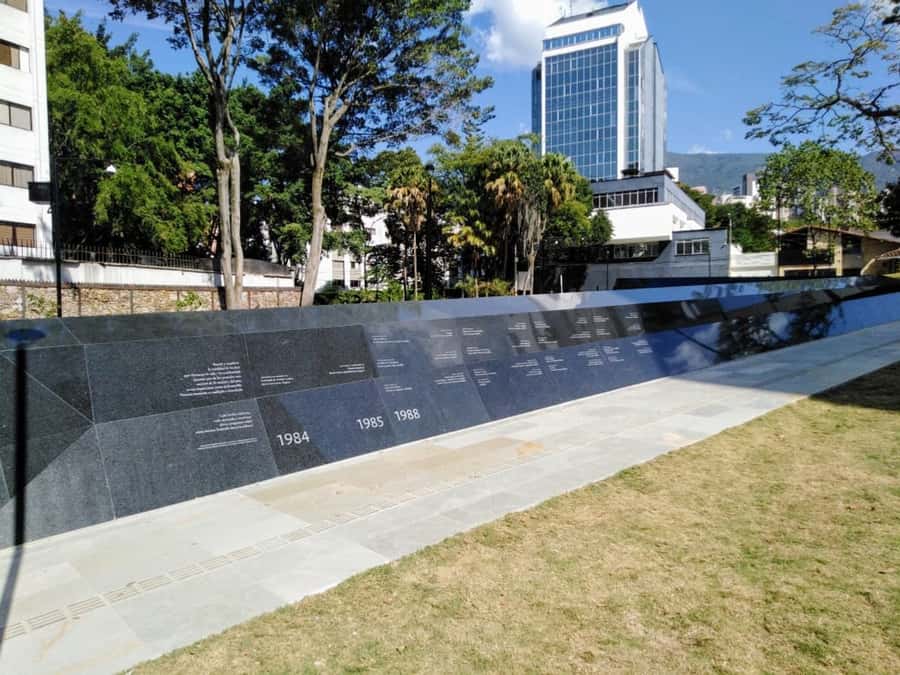
The tour begins in El Poblado, one of Medellín’s best-known areas, at the new Parque de la Memoria. This space occupies the former site of the Monaco building, which was demolished on February 22, 2019.
The Monaco building had become one of the most recognizable Escobar landmarks. Rather than preserve it as a shrine to the drug lord, the city removed it and created a place intended to reclaim the area through art and culture. That choice gives the opening stop a clear message: Medellín is trying to tell its own story, not let Escobar define it forever.
You should expect this stop to be more reflective than theatrical. The value comes from hearing why the site changed and what that says about the city today. It is also a useful first chapter because it frames the rest of the route. You are not simply collecting famous addresses. You are looking at how public memory is shaped.
If you want a traditional museum experience, this stop may feel limited. The tour information does not promise a full indoor collection of artifacts, photographs, or documents. I see Parque de la Memoria as an introduction to the subject, not a replacement for a museum.
Barrio Pablo Escobar and the uncomfortable question of charity
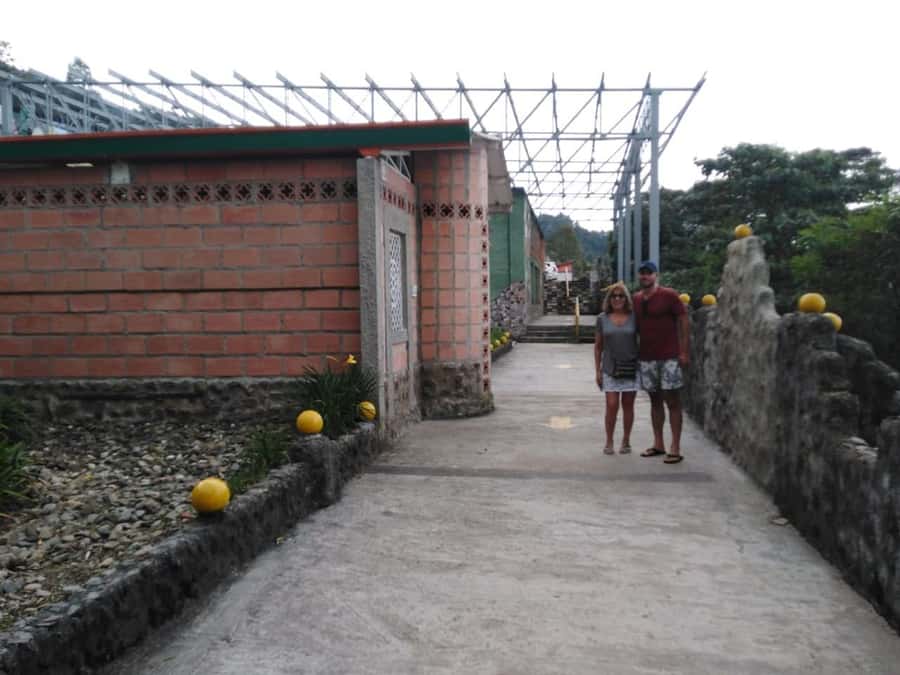
Next comes Barrio Pablo Escobar, a neighborhood founded by Escobar to provide free houses for homeless people and some of Medellín’s poorest residents.
This is one of the most complicated parts of the tour. Housing assistance helped real families, but it also strengthened Escobar’s image and influence. He could present himself as a protector while building power through the drug trade and violence. That contradiction is central to understanding why some people remember him with gratitude, fear, anger, or a mixture of all three.
Your guide’s explanation matters here. Manuel, one of the guides praised for his local background, has been singled out for explaining the city’s darkest period while showing affection for Medellín and Colombia. That kind of personal connection can make the neighborhood more than a quick photo stop.
Still, keep your expectations realistic. This is a residential area, not a purpose-built attraction. You should behave discreetly, listen to your guide, and avoid treating people’s homes as a film set. The point is to understand the social conditions Escobar exploited, not to turn the neighborhood into a trophy from your day.
Seeing the grave and the place where Escobar was killed
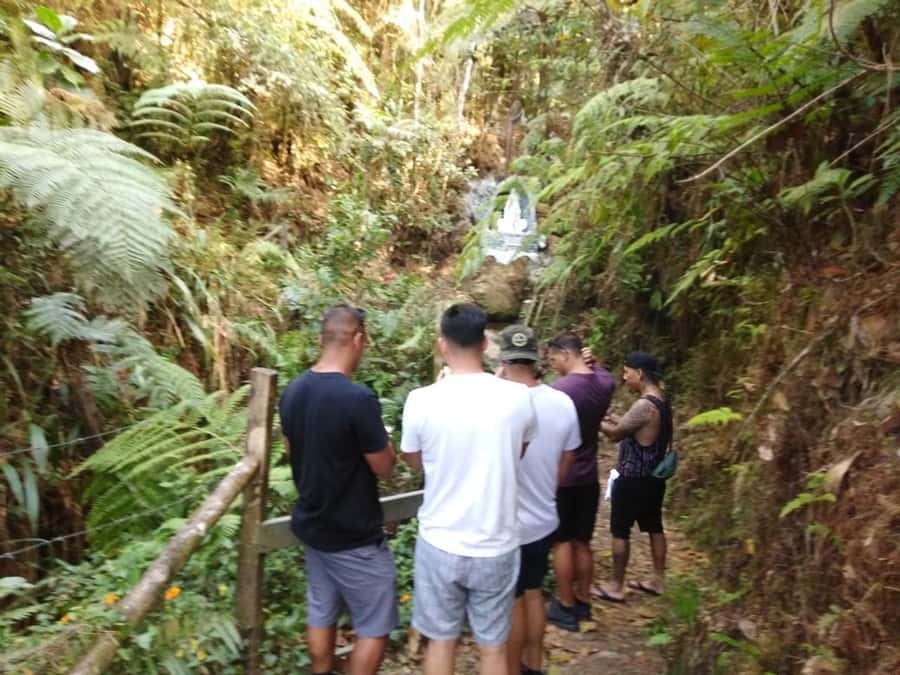
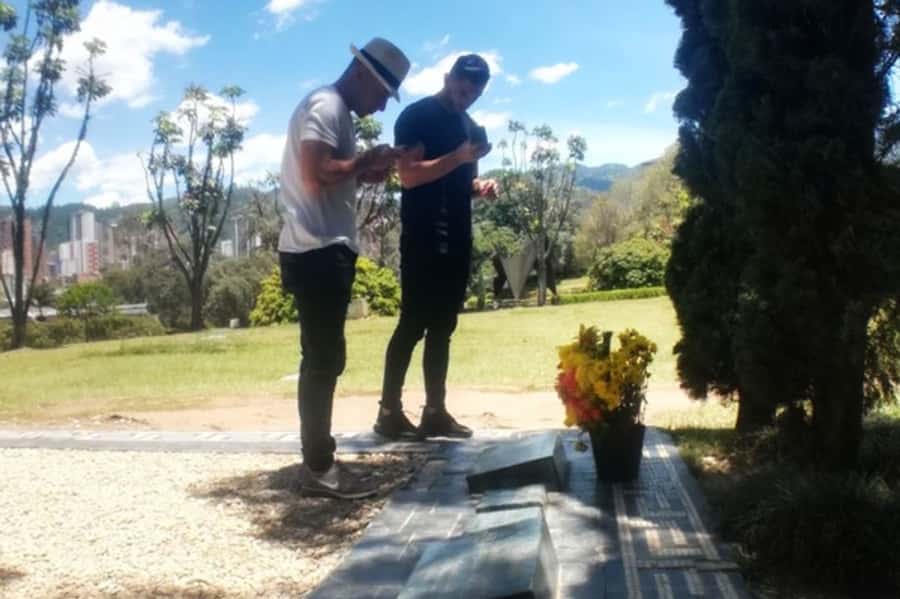
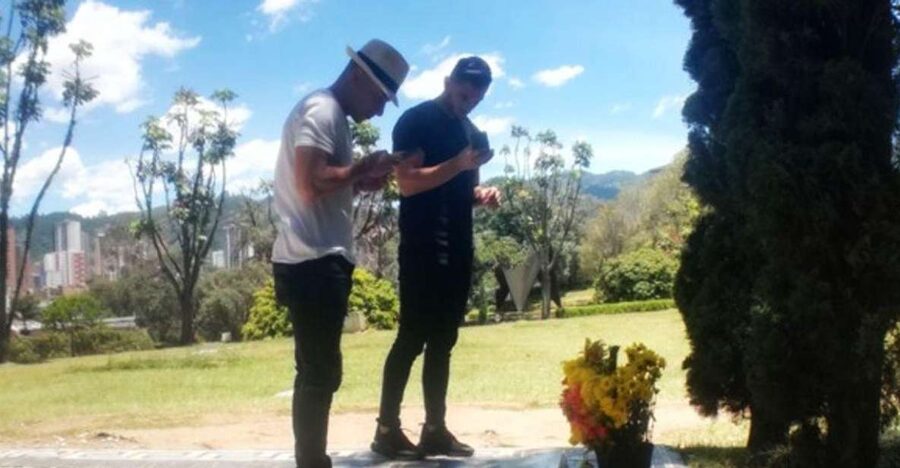
The tour also visits Pablo Escobar’s grave and the location where he was killed. These stops provide the most direct physical connection to the final chapter of his life.
A grave can feel surprisingly ordinary compared with the scale of Escobar’s public image. That contrast helps bring the story back to earth. You are seeing a place connected to a man whose actions affected an entire city, yet the site itself does not need to be grand to carry weight.
The place where he was killed offers another chance to separate fact from television drama. Popular shows often compress events, simplify motives, and turn violence into suspense. A strong guide can help you focus on the real sequence of events and the wider impact on Medellín.
Jhon has been praised for offering a personal touch because he lived through the period. That does not mean every detail becomes an eyewitness account, but it can give the discussion a human scale. You are more likely to understand what the era felt like for local people when the story includes daily fear and uncertainty, not just names and dates.
There is a practical limit here: these are location-based visits. Do not expect elaborate displays at either site. The meaning comes from the guide’s explanation and your own willingness to consider what happened there.
More Pablo Escobar history tours:
- Museo Pablo Escobar
★ 5.0 · 7,242 reviews - Medellín: The Real Pablo Escobar Tour
★ 4.8 · 3,205 reviews - Pablo Escobar Shared Tour of Medellin
★ 5.0 · 1,560 reviews - Medellín: Pablo Escobar Tour with beer included
★ 4.7 · 612 reviews
The final house in its deteriorating state
In the west of Medellín, you see the house where Escobar died. The property is described as being in a dilapidated state, which makes the stop feel less polished than the image many people carry from television.
That worn condition is part of the story. The house is not presented as a grand monument. Instead, it shows how quickly power and wealth can lose their shine. For me, the contrast between the former kingpin’s reputation and the neglected building is one of the more telling details of the route.
You may find this stop visually modest. If you are looking for an impressive structure or a carefully preserved historic site, it could disappoint. If you are interested in seeing an unvarnished place connected to the story, it adds a useful dose of reality.
The guide can also help explain how the final scene fits into Medellín’s broader troubles. That context is more valuable than simply standing outside a building for a few minutes.
Adding Comuna 13 for a fuller Medellín story
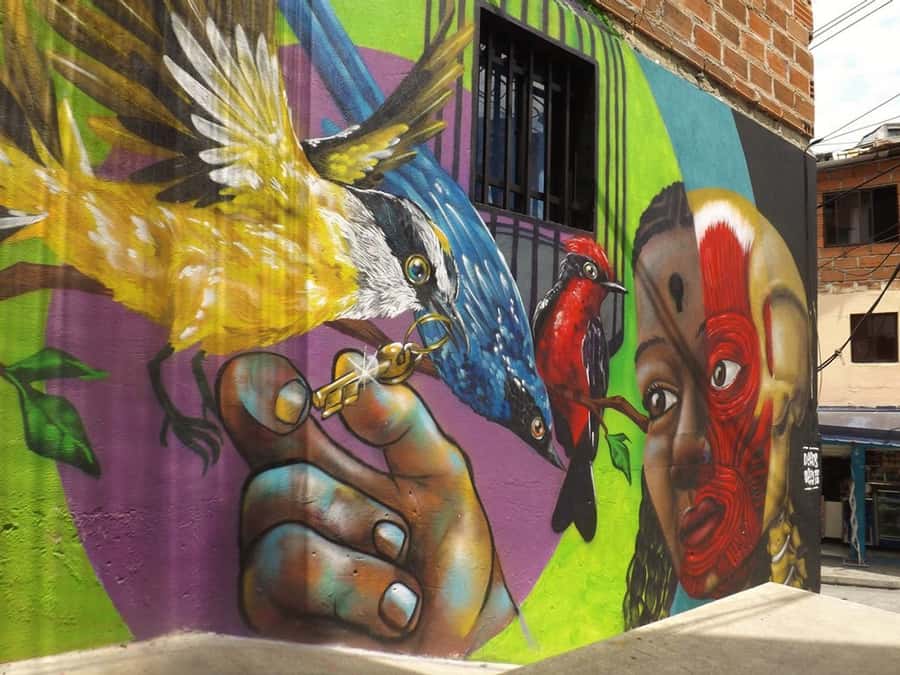
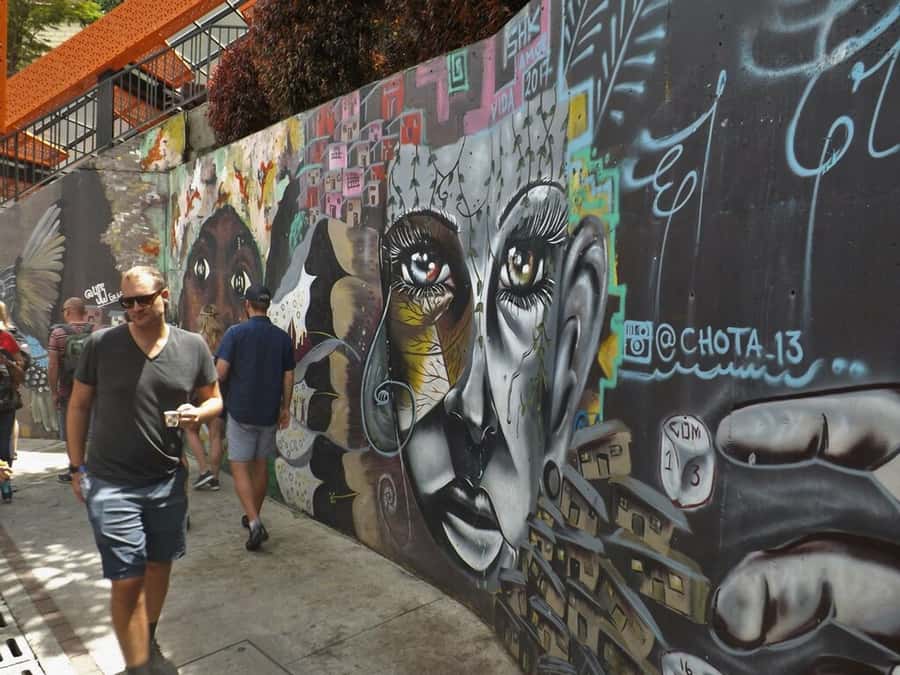
You can choose to include Comuna 13, an area known for its graffiti and described as the largest open-air gallery in Latin America. This addition changes the emotional balance of the day.
The Escobar route focuses on violence, corruption, and trauma. Comuna 13 brings in art, public life, and resilience. It does not erase the neighborhood’s difficult past, but it shows how residents have used color, music, and community spaces to tell a different story.
Several guides have been praised for making Comuna 13 especially worthwhile. Manuel was described as knowing his neighborhood extremely well, driving around much of the area, explaining its past, and helping visitors enjoy local coffee, empanadas, and ice cream. Those food stops are not listed as an included part of the tour, so you should treat them as possible purchases rather than guaranteed inclusions.
Adding Comuna 13 may also make the day longer. One booking was described as a six-hour combination of Escobar’s Medellín and Comuna 13, while the main experience is listed as four hours. Confirm the exact duration and plan before you book if your schedule is tight.
I would choose the add-on if you want more than a crime-history tour. It gives you a clearer picture of how Medellín has tried to move beyond its past. If your main interest is only Escobar’s life, the core route may be enough.
Why a private tour makes sense here
At $63 per person, this tour offers fair value when you are traveling with a small group that wants private transportation and a guide for several connected stops.
The price includes hotel pickup and drop-off from central Medellín, a bilingual English and Spanish guide, and legal insurance. You are not paying only for entry to an attraction. You are paying for transport across the city, local explanation, and the chance to ask questions without being tied to a large group’s schedule.
The private setup is especially useful for a sensitive subject. You can ask about difficult details, pause when you need more explanation, or spend less time at a stop that does not interest you. A private guide can also adjust the conversation for your background. Someone who knows little about Colombia will need more context than someone who has already studied Escobar’s era.
The value is less clear if you want a museum-heavy experience. Food and drinks are not included, and the tour does not promise a formal exhibit. You may want to budget for snacks, especially if you add Comuna 13.
Guides, language, and the human side of the tour
The tour is available in English or Spanish, and the guide is live rather than prerecorded. That matters because this experience depends on explanation. The places themselves cannot tell the full story.
Guide quality can vary from person to person, but the available guide feedback is consistently strong. Carlos Andres has been praised for his command of the subject. Andres was described as friendly and well informed. Sara made the tour interesting, while Jhon added personal context. Manuel received particularly warm praise for combining local knowledge, history, and practical help in Comuna 13.
You should still ask questions. For example, ask how the city’s recovery affected ordinary residents, how Escobar’s charitable image worked, and how public spaces such as Parque de la Memoria change the way Medellín remembers its past. Those questions can move the experience beyond a list of crime sites.
The best guide will not simply praise or condemn Escobar. The best guide will explain why his image became so powerful, why some residents accepted his help, and why that cannot cancel the violence he caused.
Timing, pickup, and what to bring
The tour lasts four hours, with starting times depending on availability. Pickup is included from hotels in central Medellín. If your hotel falls outside the pickup area, you receive the closest meeting point instead.
This arrangement is convenient, but check your hotel location before booking. A nearby meeting point is simple enough, though it changes the door-to-door convenience promised to people staying centrally.
Bring sunscreen, water, and comfortable clothes. Medellín’s weather can make a short city tour feel tiring if you are not prepared, especially when stops involve time outside. Food and drinks are not included, so carry water and plan for any snacks you want to buy.
The tour is wheelchair accessible, which makes it a useful choice for many visitors who need step-free planning. Still, ask the operator about the exact route and the Comuna 13 add-on if accessibility is important to you, since the supplied details confirm accessibility for the activity but do not describe every surface or stop.
La Catedral, the prison Escobar built for himself, is closed on Mondays. Do not assume it is part of this four-hour route. If you specifically want to visit it, confirm whether it is included and avoid Monday.
What this tour does well, and where it falls short
The biggest strength is the combination of real places and strong local storytelling. You move through several parts of Medellín rather than staying with a single building or exhibit. The private format gives the day a personal feel, and the highly positive rating of 4.9 from 84 reviews reflects the consistent praise for the guides.
The tour also handles an important balance. It acknowledges Escobar’s charitable acts without confusing them with goodness. It shows how a poor neighborhood could benefit from housing while still being connected to a violent power structure. That is the kind of honest tension you should expect from a serious tour of this subject.
The main weakness is the limited use of formal historical material. Linda, who rated the tour four out of five, wanted a more developed experience with a museum or more important objects connected to the tragedy. I understand that criticism. If you learn best from displays, archives, and original documents, you may want to pair this tour with a separate museum visit.
There is also a risk that the subject can become too focused on Escobar himself. Comuna 13 helps correct that by shifting attention to local creativity and recovery. I recommend adding it if you want the day to end on a wider and more constructive note.
Who should book this Medellín experience?
I would recommend this tour to first-time visitors who want a clear introduction to Medellín’s most painful modern chapter. It suits people who prefer a private guide, direct questions, and real locations over a large bus group or a purely academic lecture.
It is also a good fit if you have only a few hours and want hotel pickup included. The route covers several important sites without requiring you to arrange separate taxis or work out the geography yourself.
You may want another option, or an additional museum visit, if your main goal is archival research. This tour is built around places and conversation, not a large collection of artifacts.
I would also avoid booking it casually if you are only chasing famous crime images. The experience is strongest when you are ready to think about Medellín’s residents, not just Escobar’s reputation.
Should you book the private Pablo Escobar History Tour?
Book it if you want a focused, serious introduction to Escobar’s Medellín with private transport and a guide who can explain the human cost behind the headlines. The stops at the grave, death site, Barrio Pablo Escobar, former Monaco site, and final house create a clear route through the story.
Choose the Comuna 13 option if you want to see how the city’s story continues beyond violence. Skip or supplement the tour if you need a full museum experience, detailed documents, or a long historical lecture.
At $63 per person, it is a sensible buy for anyone who values time, local interpretation, and a private group. Just bring water, wear comfortable clothes, check your pickup zone, and treat the subject with the respect it deserves.
FAQ
How long is the Pablo Escobar history tour?
The main tour lasts four hours. Starting times depend on availability.
How much does the tour cost?
The listed price is $63 per person.
Is the tour private?
Yes. It is offered as a private group experience.
Is hotel pickup included?
Yes. Pickup and drop-off are included for hotels in central Medellín. If your hotel is outside the pickup area, you receive the closest meeting point.
What languages are available?
The live guide is available in English and Spanish.
Which places connected to Pablo Escobar are included?
The route includes Parque de la Memoria at the former Monaco site, Barrio Pablo Escobar, Escobar’s grave, the place where he was killed, and the house where he died.
Can I add Comuna 13?
Yes. Comuna 13 can be included as an optional addition to the tour.
Is the tour wheelchair accessible?
Yes, the activity is listed as wheelchair accessible.
Is La Catedral open every day?
No. La Catedral is closed on Mondays. Confirm with the operator whether it is included in your chosen route before booking.
Just added in Medellin
- Tour Peñol-Guatape privado: con desayuno, almuerzo y bote★ 5.0 · 1 review
- Silletero Tour – From Medellín★ 5.0 · 1 review
- Tour Medellín: Commune13 and Pablo Escobar + Rooftop★ 5.0 · 2 reviews
- Tour Medellín: Pablo Escobar and Commune 13★ 5.0 · 3 reviews
- Medellin: Tour Pablo Escobar Privado Con Guia Local★ 5.0 · 1 review
- Tour Guatapé – Piedra del Peñol with departure from Medellín★ 5.0 · 24 reviews
- Tour Guatapé: luxury yacht to the stone of Peñol.★ 5.0 · 2 reviews
- Tour Guatapé con visita a Granja de las Llamas y las Alpacas★ 3.5 · 11 reviews