
REVIEW · MUSEUMS
Bogotá Old Town with Gold Museum and Botero Museum
Bogotá’s story begins with gold. This five-hour city tour links the Gold Museum, the Botero Museum, and Bogotá’s old center, giving you a compact introduction to Colombian art, Indigenous cultures, and colonial city life. I like the clear three-part shape: two museums provide substance, while time in the old quarter adds street life and a sense of place. I also like that admission is included and the group is limited to 15 people.
The main consideration is pace. One hour at each museum is enough for a guided overview, but not enough to examine every room at leisure. Meals and drinks are not included, and the exact amount of time spent walking through the old center may depend on the group and guide.
In This Review
- Key points to know before booking
- Why this five-hour Bogotá tour works
- One hour with Colombia’s gold collection
- Botero, Monet, Picasso, and Dalí in one house
- The old center, where art leaves the museum
- The guides and drivers shape the day
- Price, pace, and what you really receive
- Who should book this experience
- Booking and cancellation details
- Is this Bogotá tour worth booking?
- FAQ
- How long does the Bogotá Old Town and museum experience last?
- What museums are included?
- Are museum entrance fees included?
- How long is spent at each museum?
- Are meals and drinks included?
- How many people can join the tour?
- Can I cancel for a full refund?
Key points to know before booking
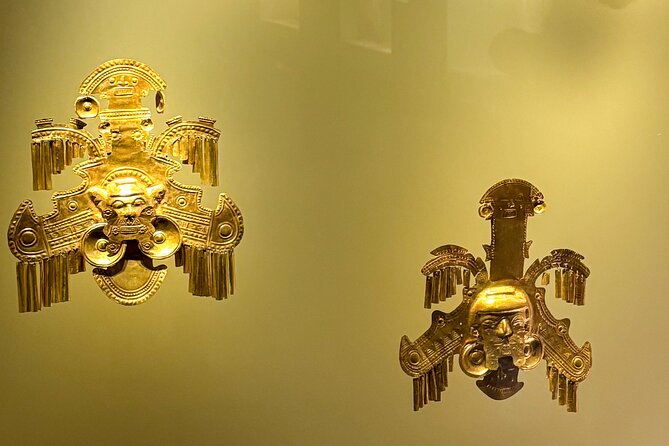
- The Gold Museum holds more than 30,000 Indigenous pieces, including the famous Muisca Raft and Quimbaya Poporo.
- The Botero Museum is not only about Fernando Botero, with works by Monet, Picasso, and Dalí also included in the collection.
- Each museum visit lasts about one hour, making the tour focused rather than leisurely.
- The old center adds cafés, street art, storytellers, and heritage buildings to the museum experience.
- The small group limit is 15 people, useful for questions and a more personal walking experience.
- Guides and drivers receive especially strong praise, with Carlos Espitia, Andrés, Ricardo, Inés, Fernando, Néstor, and Germán named in past tour experiences.
Why this five-hour Bogotá tour works
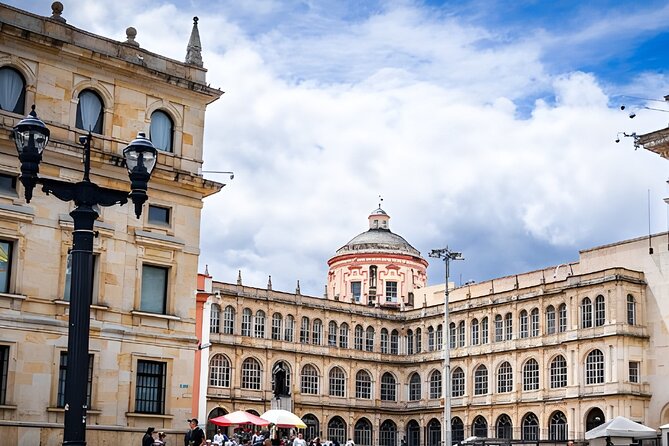
Bogotá can feel like a large puzzle when you first arrive. The city has museums, churches, plazas, cafés, street performers, and layers of Colombian history spread across the center. This experience gives you a sensible first pass without asking you to spend an entire day inside one museum.
I see the appeal in the combination. The Gold Museum explains how Indigenous societies worked with precious metals and what those objects meant. The Botero Museum shifts the focus to Colombian art and an international collection. The old town then puts both museums into a lived setting, with people moving through public spaces rather than quietly viewing objects behind glass.
At $50 per person, the value depends on how much guidance you want. The price includes admission to both museums, which removes two separate entrance costs from your planning. You are also paying for a guide who connects objects to Colombian history instead of leaving you to read labels on your own.
The value is strongest for a first visit to Bogotá, especially if you have only half a day to orient yourself. It is less attractive if you prefer to spend several hours in one museum, stop often for food, or explore the old quarter at your own speed.
More Museum Tours in Bogota
- La Candelaria, Monserrate and Museums Bogotá Private City Tour
★ 5.0 · 1,567 reviews - Bogota + Monserrate Private City Tour, Museums, Candelaria.
★ 5.0 · 1,015 reviews - Bogotá City Tour with Monserrate, Gold and Botero Museums
★ 4.9 · 584 reviews
One hour with Colombia’s gold collection
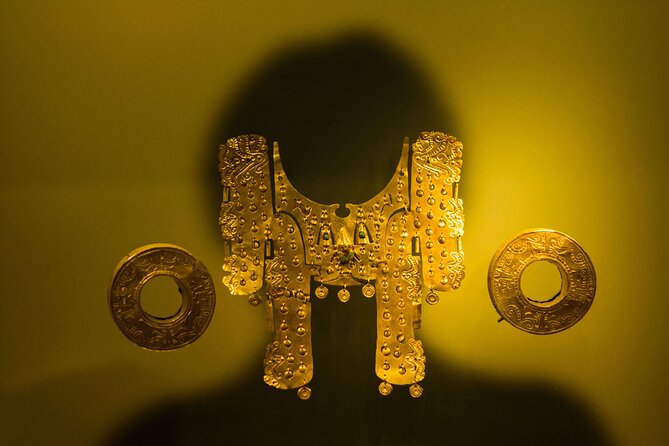
The Museo del Oro, or Gold Museum, is the centerpiece of the experience. Founded in 1939 and administered by the Banco de la República, it holds more than 30,000 pieces of pre-Hispanic goldwork and other objects connected with Indigenous cultures.
I would not think of this as a simple display of expensive jewelry. The important question is not only how the objects were made, but why gold mattered. A good guide can help you connect the metalwork with ceremony, social rank, belief, craft, and the cultures that produced it.
Two objects deserve special attention. The Muisca Raft is linked to the El Dorado story, the tale that helped inspire European searches for a legendary city of gold. The Quimbaya Poporo is another major piece, known for its refined form and careful workmanship.
With one hour here, you need to accept that you will see a selection rather than everything. The museum’s size and collection could fill much more time. I suggest asking your guide to point out the objects that best explain the larger story, then returning to any display that catches your eye if time allows.
The guide makes a major difference in this stop. Carlos Espitia has been praised for explaining ancient Colombian history in a clear, well-timed way, and Ricardo is noted for explaining carefully while paying close attention to older people in the group. Andrés has also been praised for organizing tours and giving substantial historical context.
Those details matter because a museum full of gold can quickly become a blur of similar-looking objects. With a good explanation, the pieces become evidence of particular cultures and ideas rather than a parade of shiny artifacts.
Botero, Monet, Picasso, and Dalí in one house
The second museum occupies a restored colonial house belonging to the Museums of the Banco de la República. Its main focus is Fernando Botero, the Colombian artist known for his rounded, exaggerated forms and unmistakable visual style.
Botero’s paintings and sculptures often make you look twice. The enlarged figures can appear playful at first, but the style also changes how you read power, wealth, daily life, and human behavior. I like this stop because it gives you a direct connection to one of Colombia’s best-known artists without treating him as an isolated local figure.
The collection also includes works by Monet, Picasso, and Dalí from a private collection. That mix gives the museum wider reach. You can compare Botero’s solid, inflated forms with major European approaches to painting and sculpture, all within a single visit.
Again, the one-hour limit keeps the experience moving. You should have enough time to understand the museum’s main character and see representative works, but you may need a separate visit if you want to study every room. If modern art is not usually your thing, the guide’s explanation can help you approach Botero’s style without needing a background in art history.
I find the contrast between the two museums useful. The Gold Museum looks back to Indigenous societies and ceremonial objects. The Botero Museum presents a modern Colombian voice alongside European masters. Together, they challenge the narrow idea that Colombian culture can be reduced to one period or one style.
The old center, where art leaves the museum
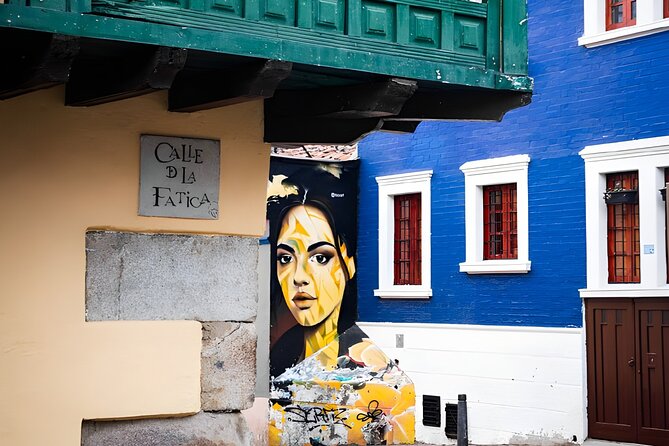
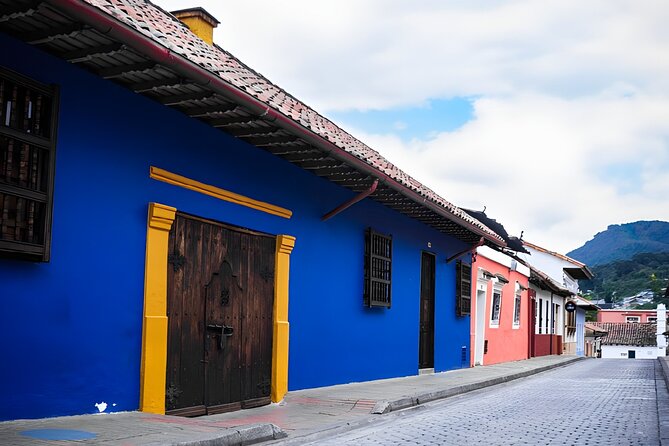
The final part brings you into Bogotá’s old center, described as a cultural meeting place where cafés, street art, storytellers, and tourists share a picturesque historic setting.
This portion matters because it changes the rhythm. Inside the museums, you focus on objects and explanations. Outside, you see how the city uses its public spaces. A café, a painted wall, or a person telling stories can say something about present-day Bogotá that a museum label cannot.
I like the mix of formal and informal culture here. The Gold Museum and Botero Museum give you organized collections. The old center offers unscripted sights and sounds, though the exact feel will depend on the time of day and the route your guide takes.
The old quarter is also where a guide’s local knowledge becomes practical. Carlos Espitia has been praised for turning a city visit into a lesson in Colombian history, while other highly rated guides, including Andrés and Ricardo, have been described as warm, flexible, and easy to approach with questions.
Do not expect the old-town section to function like a long independent walk. The entire experience lasts about five hours, and two hours are assigned to the museums alone. If you want extended café time, shopping, photography, or a slow architectural study, plan to return later.
A completely different kind of day:
- Bogotá Bike Tour
★ 5.0 · 3,329 reviews - Bogota: Bicycle City Tour
★ 4.9 · 2,156 reviews - Zipaquirá: Salt Cathedral Group Tour with Pickup
★ 4.8 · 1,606 reviews - Shared Tour of the Historic Candelaria in Bogotá
★ 5.0 · 1,551 reviews
The guides and drivers shape the day
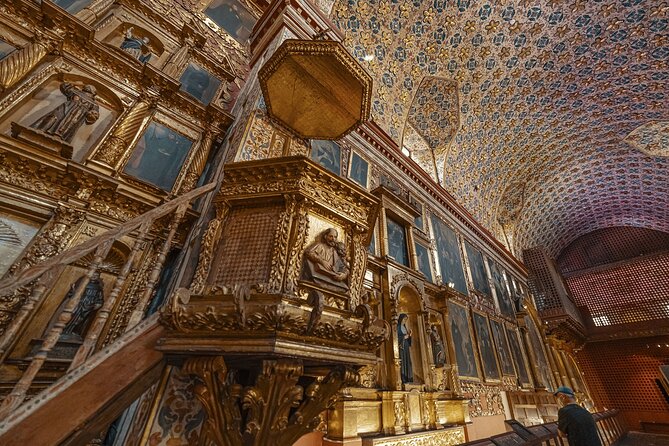
The strongest feature of this experience is the human side. Several guides connected with the operator receive praise for clear explanations, patience, organization, and a friendly manner.
Carlos Espitia is especially associated with lively city history lessons and a well-timed Gold Museum visit. Andrés is praised for answering questions, organizing several days of touring, and taking care that everyone had a good experience. Ricardo is described as professional, kind, and considerate toward older participants. Inés is noted for being close and attentive, with careful coordination and flexibility at stops.
The transportation side also receives strong approval. Fernando Castillo is described as punctual, courteous, and professional. Néstor is praised as a safe, reliable driver who helped keep a longer touring experience comfortable. Germán is also noted for professional service.
The available information does not promise one particular guide or driver for every departure, so I would not book solely on the hope of receiving a specific person. Still, the repeated praise for the team suggests that the operator places real weight on communication and service.
A small group of no more than 15 people helps here. You are not guaranteed a private tour, but a group of this size should make it easier to hear explanations and ask questions than on a large coach outing. The reviews also point to flexibility at stops, though the exact flexibility on your departure can vary.
Price, pace, and what you really receive
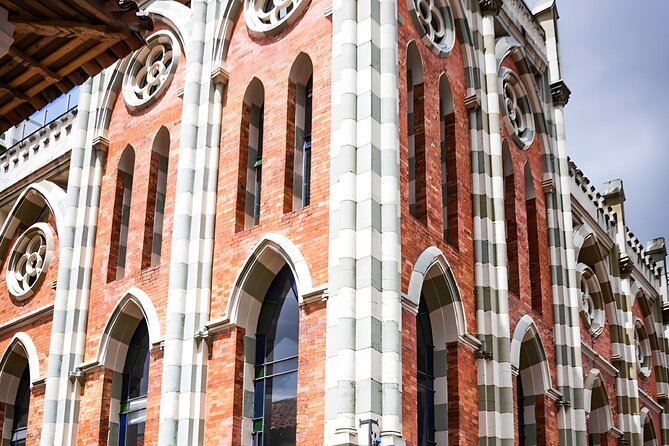
At $50, this is priced as a guided half-day introduction rather than a full-day private exploration. The included museum admissions make the cost easier to judge, since you do not need to add those fees separately.
The tour is a good deal if you value structure. You can arrive in Bogotá with little planning and spend five hours seeing major cultural sites with a guide who explains what you are looking at. You also avoid the small hassle of arranging museum visits and working out how to connect the stops.
The deal is weaker for independent museum fans. If you already know Bogotá well, speak Spanish comfortably, and enjoy reading collections on your own, you may prefer to buy your own admissions and spend your money on a meal or a longer old-town walk.
Food and drinks are not included. That is easy to overlook on a five-hour outing, so I would plan accordingly. The experience information does not specify a meal stop, and you should not assume that café time is built into the schedule.
The tour is near public transportation, and most people can participate. Service animals are allowed. Those are useful practical points, but you should still be ready for a museum visit combined with time in the historic center, where standing and walking may form part of the experience.
Who should book this experience
I would recommend it to first-time visitors who want a firm introduction to Bogotá without spending a full day on a single attraction. It suits anyone curious about Colombian history, Indigenous metalwork, modern art, or the connection between museums and city life.
Families and mixed-age groups may also find the format useful. The museums offer different subjects, and the praise for guides being kind to older people is encouraging. A group of 15 or fewer is also easier to manage than a large bus tour.
Art lovers should book it if they want a broad sample. You get pre-Hispanic goldwork, Botero’s distinctive style, and European names such as Monet, Picasso, and Dalí. You will not get a slow, specialist art tour, but you will get a strong overview.
I would hesitate if your main goal is Monserrate, food, shopping, or a long walk through every corner of the old center. One past experience praised Monserrate and the Gold Museum, but Monserrate is not part of the stated five-hour route, so you should not assume it is included.
Booking and cancellation details
Confirmation is provided at booking. Free cancellation is available if you cancel at least 24 hours before the experience begins, based on local time.
If you cancel less than 24 hours before the start, you should expect no refund. Changes made inside that same 24-hour window are not accepted, so check your plans before that deadline.
The advertised maximum is 15 people. That is small enough for a more personal feel, though the exact group size can be smaller.
Is this Bogotá tour worth booking?
I would book this tour if you want a well-organized first look at Bogotá’s culture and prefer explanation to guesswork. The combination of the Gold Museum, Botero Museum, and old center gives you a useful range: Indigenous Colombia, modern Colombian art, international art, and present-day street life.
I would skip it only if you want a slow museum day or already have a detailed plan for La Candelaria and the surrounding center. For most first-time visitors, $50 is a fair price for two included admissions, five hours of structure, and access to guides praised for warmth, history, and careful service.
FAQ
How long does the Bogotá Old Town and museum experience last?
The experience lasts approximately five hours.
What museums are included?
The tour includes the Museo del Oro and the Botero Museum in the Museums of the Banco de la República.
Are museum entrance fees included?
Yes. Admission to the included museums is covered in the tour price.
How long is spent at each museum?
The planned time is about one hour at the Gold Museum and one hour at the Botero Museum.
Are meals and drinks included?
No. Meals and beverages are not included, and you should plan for them separately.
How many people can join the tour?
The maximum group size is 15 people.
Can I cancel for a full refund?
Yes, if you cancel at least 24 hours before the experience start time. Cancellations or changes made less than 24 hours before the start are not accepted for a refund.
Just added in Bogota
- Tour of Zipaquirá: Visit the Salt Cathedral and the main squares★ 4.5 · 55 reviews
- Catedral de Sal desde Bogotá en Tren★ 5.0 · 5 reviews
- Zipaquirá and Salt Cathedral Muisca Heritage with Guide – Private★ 4.5 · 23 reviews
- Botanical Garden Bogotá Private Tour (4 Hrs.)★ 5.0 · 13 reviews
- Zipaquira Salt Cathedral★ 4.5 · 12 reviews
- LOCAL GUIDE Zipaquirá PRIVATE TOUR – Salt Cathedral and Salt Oven★ 5.0 · 24 reviews
- Zipaquirá Salt Cathedral: An architectural wonder.★ 4.5 · 24 reviews
- Private Zipaquira Salt Cathedral and Guatavita Lagoon Tour from Bogota★ 4.5 · 44 reviews
Museums, compared.
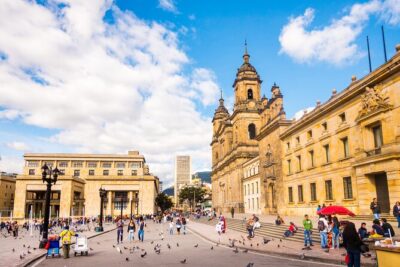
La Candelaria, Monserrate and Museums Bogotá Private City Tour
Read our review →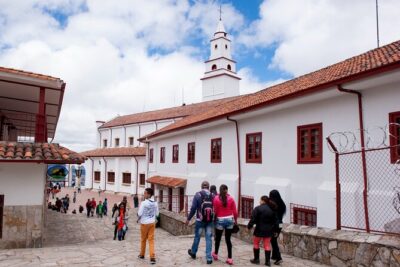
Bogota + Monserrate Private City Tour, Museums, Candelaria.
Read our review →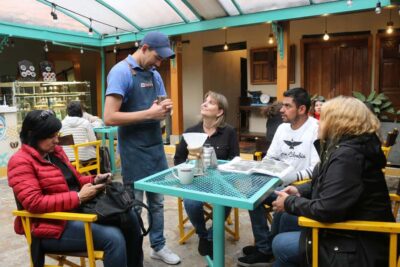
Bogotá City Tour with Monserrate, Gold and Botero Museums
Read our review →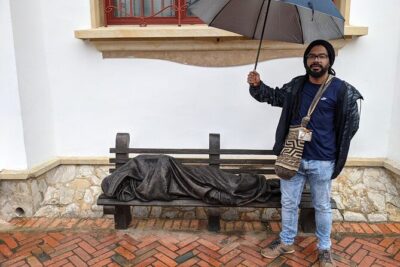
Bogotá Tour: Monserrate, Food, City Walk & Botero Museum
Read our review →
Emerald Museum & Jewelry Workshop: Behind the Scenes Tour
Read our review →
Private Tour in Bogota : Monserrate, Museums and Candelaria
Read our review →
Private Bogotá Tour: Candelaria, Gold Museum, Optional Monserrate
Read our review →
City Tour, Monserrate, Gold Museum, Plaza de Bolivar
Read our review →Browse the lists this tour appears in