
REVIEW · MONSERRATE TOURS
Bogotá: Grand City Tour with Monserrate, Usaquén and Lunch
Bogotá rewards an early start. I like the Monserrate cable-car ride for its grand city views, and I like how the tour links La Candelaria’s old streets with the Gold Museum, Botero Museum, and Usaquén. The main caution is pace: one guest received only six hours and missed parts of the advertised route, so confirm the full eight-hour private arrangement before setting out.
This is a strong first-day introduction to Bogotá, especially if you want history, food, neighborhoods, and transport handled in one package. Guides such as Gigio, Raul, Jhovannoty, Felipe, and Daniel have been praised for warmth, local insight, and enthusiasm. At $251 per person, it is not a budget outing, but private transportation, admission tickets, the cable car, lunch, and a dedicated guide help explain the cost.
In This Review
- Key points to know before booking
- Monserrate at 3,150 meters
- La Candelaria and the city’s oldest streets
- Gold Museum and Parque Santander
- Botero’s art and Chorro de Quevedo
- A local lunch, then Plaza de Bolívar
- Northern Bogotá and Usaquén
- What the guide and private format add
- Is $251 per person good value?
- Who should book this Bogotá day?
- Final verdict: a smart first day with one important check
- FAQ
- How long does the Bogotá Grand City Tour last?
- What language is the guide available in?
- Is this a private tour?
- Is hotel pickup included?
- Is the Monserrate cable car included?
- Is lunch included?
- Is the Gold Museum open every day?
- Is the Botero Museum open every day?
- What should I bring?
- Can I cancel the tour for a refund?
Key points to know before booking
- Monserrate reaches 3,150 meters: The cable car saves the climb and delivers Bogotá’s best-known city view, though the altitude can make a short visit feel tiring.
- La Candelaria carries the day’s strongest sense of place: Cobblestone lanes, Chorro de Quevedo, the cathedral, and Plaza de Bolívar form the historic core.
- Two major museums are included: The Gold Museum focuses on indigenous goldwork, while the Botero Museum presents works by Fernando Botero.
- Lunch is part of the plan: You get a local restaurant meal, though extra food and drinks are not included.
- Usaquén closes the route on a calmer note: Its narrow streets and weekend flea market offer a change from central Bogotá.
- Museum schedules matter: The Gold Museum is closed Mondays, and the Botero Museum is closed Tuesdays, with another museum substituted on those days.
Monserrate at 3,150 meters
The day begins with hotel pickup in private transportation, then heads toward the eastern hills of Bogotá. Monserrate rises above the city at 3,150 meters, making it both a major religious site and a superb lookout.
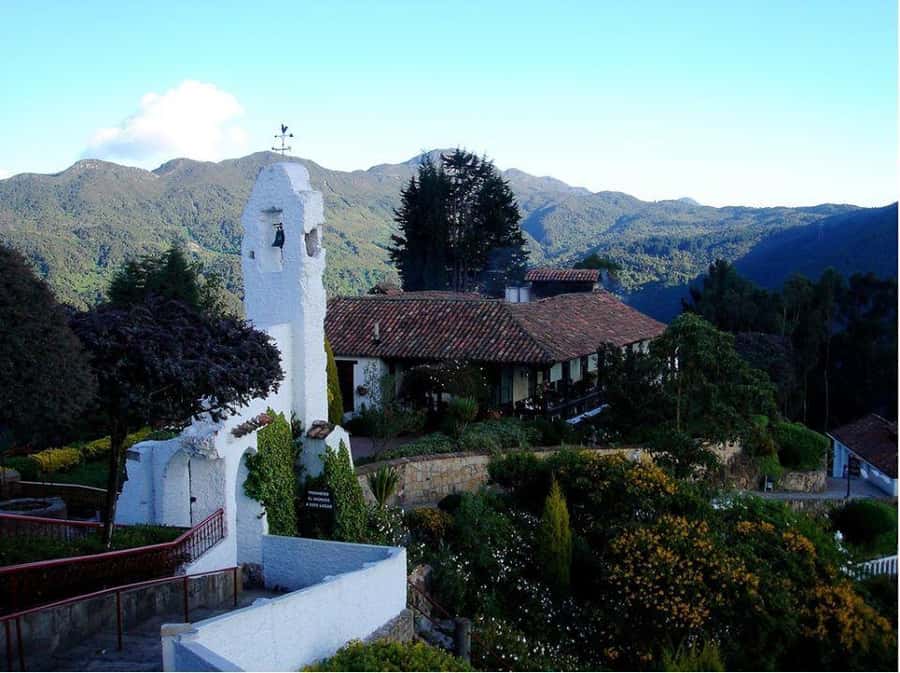
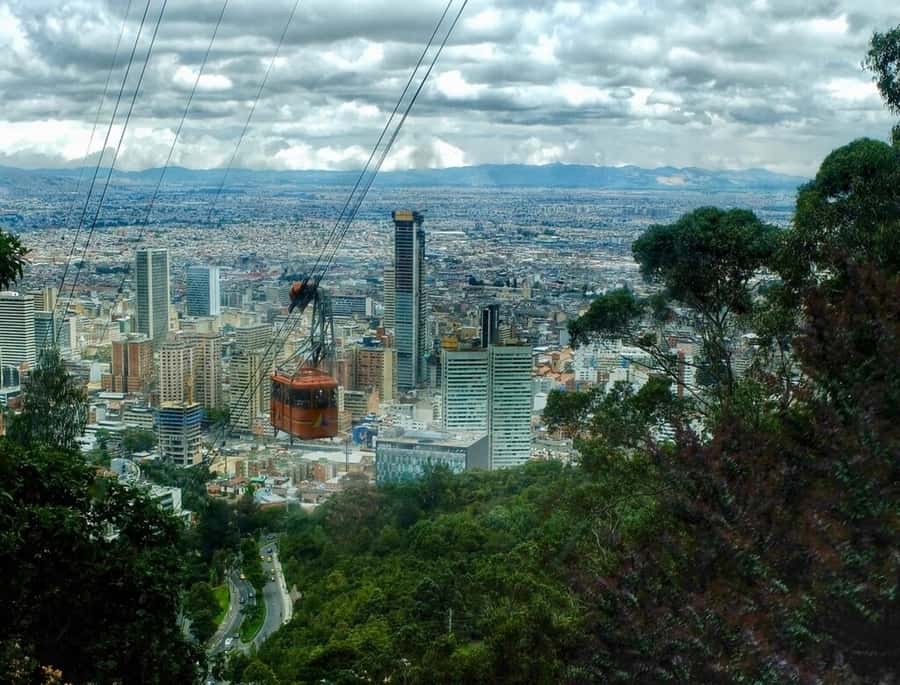
You reach the summit by cable car. That matters because the mountain setting is not just a photo stop. Monserrate is Bogotá’s best-known pilgrimage destination, centered on its sanctuary, and the ride gives you a quick sense of how vast the capital is below.
I would allow yourself time to adjust at the top. You are not being asked to climb, but the altitude can still make walking and stairs feel harder than expected. Comfortable shoes, a jacket, and rain gear are sensible choices. Bogotá’s weather can change, and the tour specifically advises bringing all three.
The view is the main reward. On a clear day, you can look across the city from an unusual height and understand its long north-south spread. On a cloudy day, visibility may be less dramatic, but the sanctuary and mountain setting still give this stop cultural weight.
The cable-car ticket is included, as is admission to the attractions visited during the day. The skip-the-ticket-line arrangement should reduce waiting, which is useful on a tightly scheduled eight-hour tour. Still, weather and operating conditions can affect how long you spend here, so I would not treat the exact timing as fixed.
More Monserrate trips:
- La Candelaria, Monserrate and Museums Bogotá Private City Tour
★ 5.0 · 1,567 reviews - Bogota + Monserrate Private City Tour, Museums, Candelaria.
★ 5.0 · 1,015 reviews - Bogotá: Private City Tour, Monserrate, Emerald and Botero
★ 4.9 · 798 reviews
La Candelaria and the city’s oldest streets
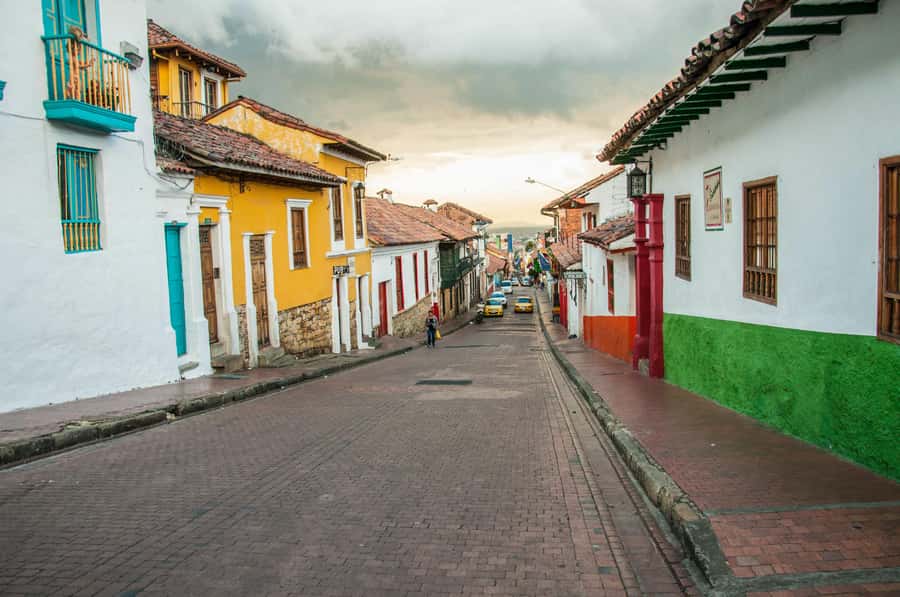
From Monserrate, the tour moves into La Candelaria, Bogotá’s historic center. This is where the day becomes more intimate. Instead of looking over the city, you walk through narrow cobbled streets lined with buildings that reflect more than 400 years of urban development.
The best part of this section is the contrast. La Candelaria can feel student-centered, artistic, political, and residential within a short walk. You pass through the area around Universidad de los Andes, then follow the Eje Ambiental, a major urban project connected to the San Francisco River.
The route uses the river to explain Bogotá’s growth. Following the San Francisco River toward Jiménez Avenue gives you more than a series of old façades. It shows how water, streets, public works, and central institutions shaped the city.
The Eje Ambiental is associated with architect Rogelio Salmona and is one of the better examples of modern urban design in Latin America. I like this part because it prevents the tour from becoming a simple checklist of churches and plazas. You see how an older city has tried to give public space a stronger role.
Wear shoes with good soles. Cobblestones are attractive but uneven, and this is one of the more walk-heavy parts of the day. The route also includes stops where your guide explains the setting, so you will want shoes that remain comfortable after several hours.
Gold Museum and Parque Santander
The Gold Museum sits along the route toward Jiménez Avenue and offers one of Bogotá’s most important indoor visits. Its collection includes indigenous gold artifacts, giving you a clearer look at the peoples and craftsmanship that existed in Colombia before the Spanish conquest.
The museum is a useful counterpoint to the colonial streets outside. La Candelaria tells you about the city’s built past, while the Gold Museum reaches much further back. The collection also helps explain why gold held such power in the region, both as a material and as a cultural object.
Your admission is included, and the tour is designed to avoid the main ticket line. Because the day contains several stops, you may not have unlimited time in every gallery. I would ask your guide at the start how much time is planned here and decide which displays matter most to you.
Parque Santander provides a chance to browse local handicrafts. This is a small but useful pause in a day filled with formal sights. If you want a souvenir, you can look here rather than waiting until the final stop.
The Gold Museum is closed on Mondays. On those days, the tour visits another museum based on the group’s interests. That replacement may suit you well, but the Gold Museum is a major reason many people choose this outing, so check the day before booking.
Botero’s art and Chorro de Quevedo
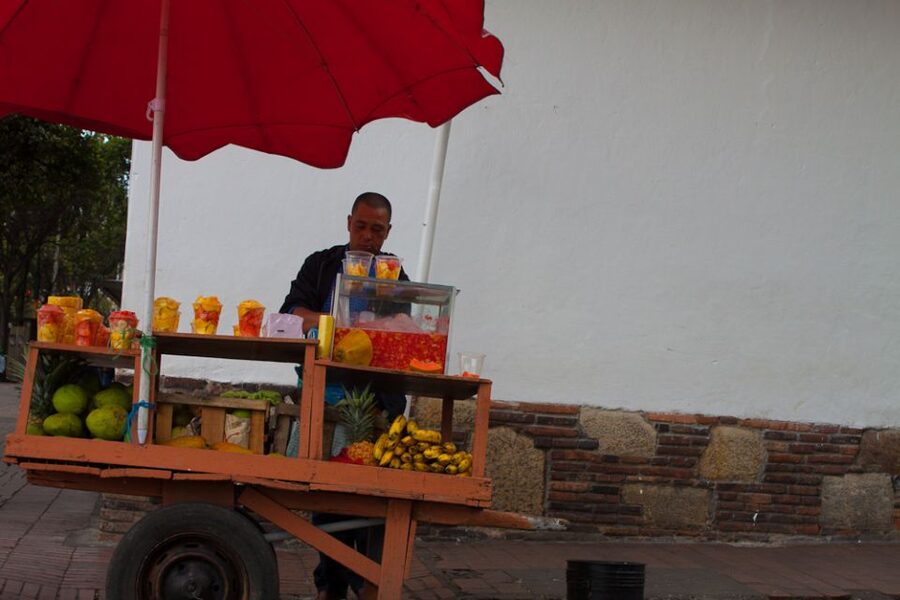
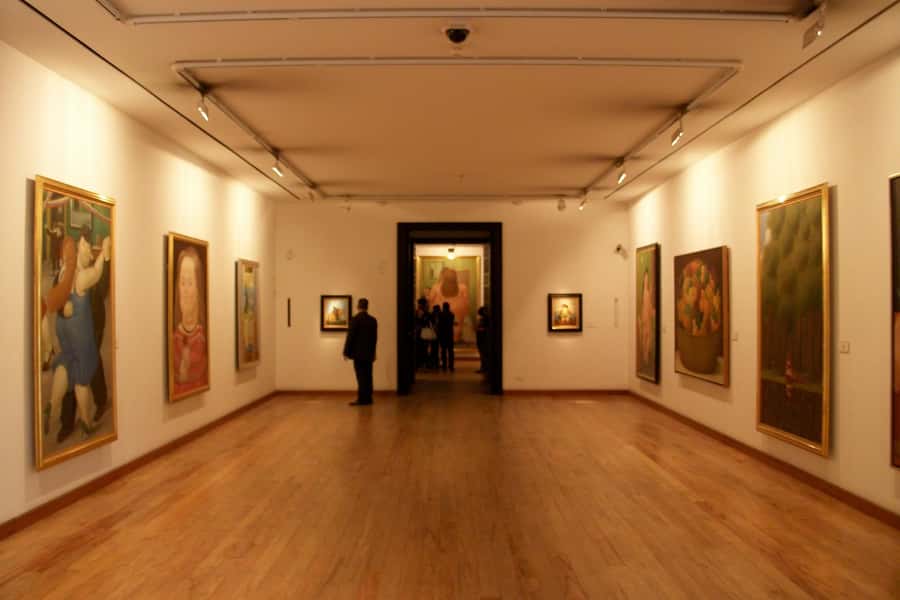
The next section returns to La Candelaria and leads to the Botero Museum. The museum displays works by Fernando Botero, the Colombian artist known for figures with exaggerated volume and a playful, unmistakable style.
This stop works well even if you are not a regular museum visitor. Botero’s art is easy to recognize, and the visit gives the tour a distinctly Colombian voice. The setting also adds interest because you arrive through the old neighborhood rather than by simply being dropped at a museum entrance.
Time management is the biggest issue here. One guest had only a brief visit because the group was running late. That is worth taking seriously. The itinerary includes many stops, and every extra explanation, traffic delay, or slow museum entry takes time from somewhere else.
If Botero matters most to you, say so early. A private group should make it easier to discuss priorities with the guide, though the guide still has to fit the planned route into eight hours.
Chorro de Quevedo provides another shift in mood. The small square is tied to the early development of Bogotá and offers a compact view of the historic center’s contrasts. Here, narrow old streets and student energy meet cafés, street life, and the marks of a modern capital.
I like the fact that this portion is done on foot. You get to see the scale of the center instead of viewing it only through a vehicle window. The tradeoff is that the schedule may feel full, particularly if you stop often for photographs.
More things to do in Bogota:
- Bogotá Bike Tour
★ 5.0 · 3,329 reviews - Bogota: Bicycle City Tour
★ 4.9 · 2,156 reviews - Zipaquirá: Salt Cathedral Group Tour with Pickup
★ 4.8 · 1,606 reviews - Shared Tour of the Historic Candelaria in Bogotá
★ 5.0 · 1,551 reviews
A local lunch, then Plaza de Bolívar
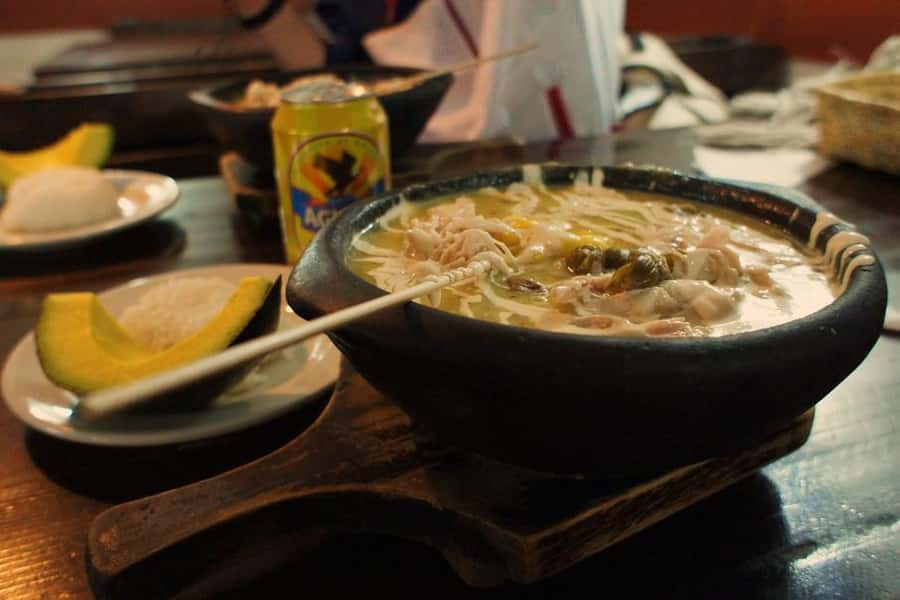
Lunch comes at an authentic local restaurant and is included in the price. This is a useful feature for a full-day outing. You do not have to pause the tour to find a place, and you get a planned chance to try local food rather than relying on a quick snack.
The exact dishes are not specified, so do not book this expecting a particular menu. Unspecified food and drinks are not included beyond the provided lunch. Personal purchases remain your responsibility.
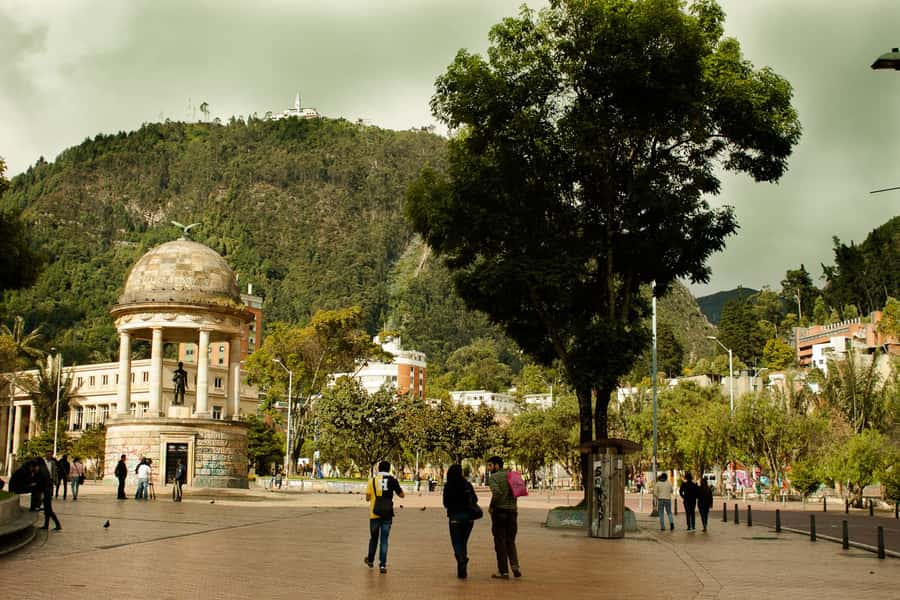
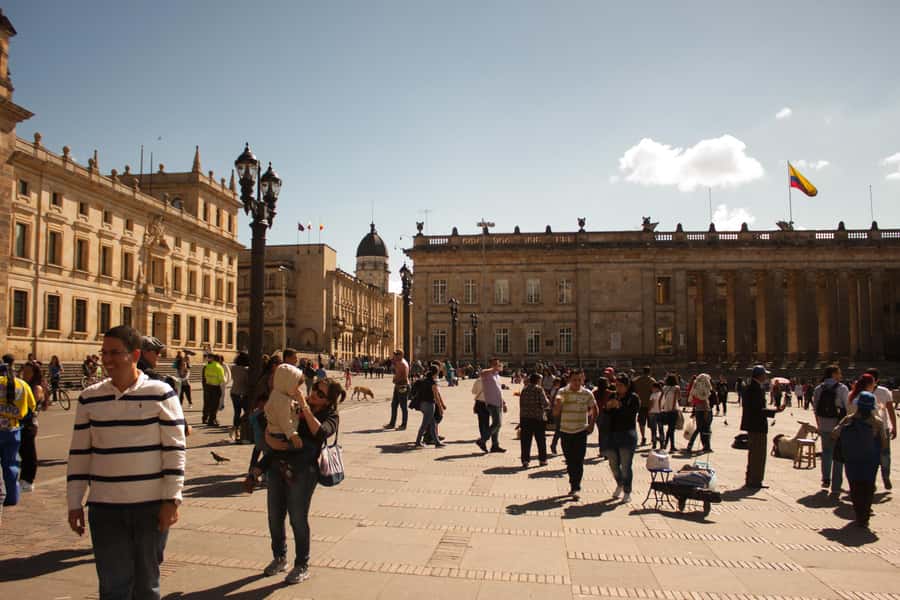
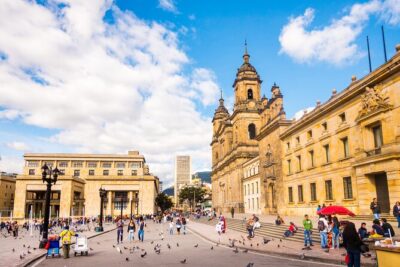
After lunch, the route continues to Plaza de Bolívar, the political and civic heart of Bogotá. This is one of the day’s essential stops because it brings together the city’s major government and religious buildings.
You can explore the administrative and government buildings around the square and look inside the Primatial Cathedral. The cathedral gives the plaza a formal center, while the surrounding buildings show Bogotá’s continuing role as Colombia’s capital.
This is a good place to ask questions about how the city is governed and how the historic center functions today. A strong guide can turn the square from a photo backdrop into a clear lesson in Bogotá’s political life.
The central area also helps tie together what you have seen earlier. Monserrate showed you Bogotá from above. La Candelaria showed you its older streets. The museums gave you indigenous and artistic context. Plaza de Bolívar brings those threads into the capital’s main public space.
Northern Bogotá and Usaquén
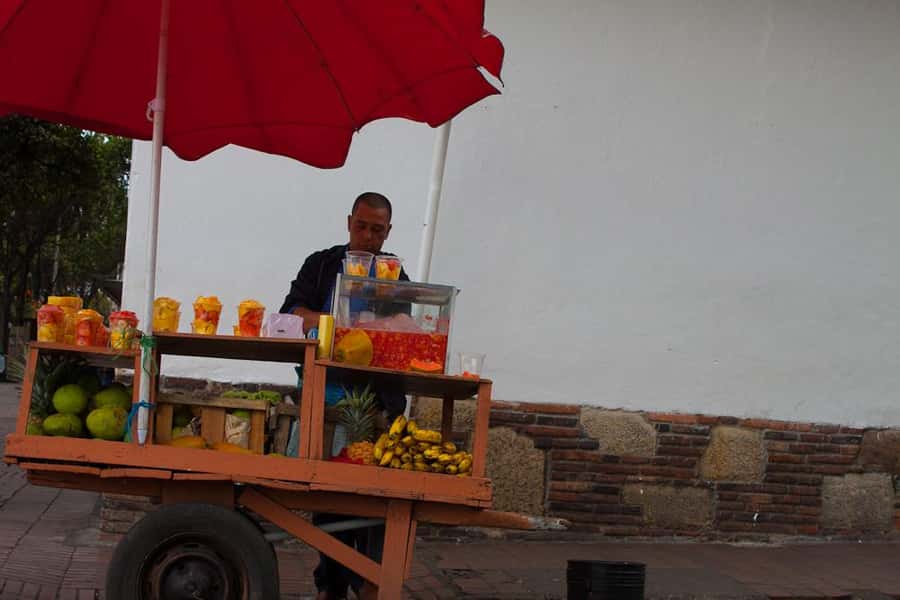
The final drive heads north and gives you a broader look at the city. The route includes panoramic sights of the International Centre, La Macarena neighborhood, and National Park.
This part is less about getting out at every location and more about seeing how Bogotá changes as you move away from the colonial core. The vehicle matters here. Without private transportation, covering Monserrate, central Bogotá, and Usaquén in one day would be much harder.
Usaquén is the closing neighborhood, known for narrow streets, older architecture, and a weekend flea market. It offers a softer finish after the dense museums and formal spaces of central Bogotá.
If your tour falls on a weekend, the flea market adds another layer of local activity. If it does not, the neighborhood’s architecture and street plan still make it worth visiting. The tour description does not promise a market on every day, so do not make the booking solely for that feature.
I like the northbound ending because it prevents the day from feeling trapped in the historic center. You finish with a different side of Bogotá, one that feels more residential and relaxed in character.
What the guide and private format add
The guide can make or break a day with this many moving parts. The strongest feedback has singled out guides by name. Gigio was praised for knowing Bogotá beyond the main sights and taking the group to places that offered a small look at everyday life. Raul was praised for his guiding, while Juan was singled out for driving. Jhovannoty was described as friendly, flexible, and well informed. Felipe and Daniel also received warm praise.
That pattern matters more than a generic promise of a guide. You want someone who can explain why a street, river project, museum, or neighborhood matters, then adjust when your interests change.
The tour is listed as a private group with hotel pickup and drop-off. That is a real advantage in Bogotá, where the itinerary crosses distant parts of the city. You avoid figuring out several taxi rides and can use the drive between stops to rest.
One caution deserves attention. A guest booked expecting a private eight-hour tour but received a six-hour trip with two other people and fewer stops. The day was still enjoyable, but it did not match the planned service. I would confirm three points before departure: the tour length, the private group arrangement, and the full list of stops.
Is $251 per person good value?
At $251 per person, this is a premium day tour. The price includes private transportation, hotel pickup and return, a Spanish- or English-speaking guide, cable-car admission, lunch, and tickets to the attractions visited.
I see the value in the coverage. You can reach Monserrate, the historic center, two museums, Plaza de Bolívar, and Usaquén without building the day yourself. For a first visit, that convenience can save a great deal of planning.
The value falls if you want long museum sessions or a slow neighborhood walk. Eight hours is enough to see many highlights, but not enough to explore every museum room or linger at every square. You are paying for range and coordination, not an unhurried study of one district.
The price also excludes unspecified food and drinks, personal expenses, and optional activities. There is a tax detail to handle as well. The quoted service price does not include 19 percent VAT. Foreign tourists may receive that benefit by sending a copy of their passport and the photo of their Colombian entry stamp, as required by the national tax authority.
That paperwork is easy to overlook. Handle it before the tour if the VAT exemption applies to you.
Who should book this Bogotá day?
I would recommend this tour to a first-time visitor with one full day for Bogotá, especially if you want a broad introduction rather than a single neighborhood. It suits you if you prefer a guide, included transport, a local lunch, and a planned route through the city’s key sights.
It is also useful for anyone who wants to combine cultural stops with a mountain view. Monserrate, La Candelaria, the Gold Museum, Botero Museum, and Usaquén offer enough variety to keep the day interesting.
You may want another plan if you dislike a full schedule, need long museum visits, or already know the historic center well. Independent visitors who want to spend half a day at one museum will find this route too packed.
Bring your passport or an accepted copy, comfortable shoes, a jacket, and rain gear. Cancellation is free up to 24 hours before the activity, and you can reserve now and pay later, which gives you some flexibility while your plans settle.
Final verdict: a smart first day with one important check
I would book this tour for a first look at Bogotá, provided the operator confirms the advertised eight-hour private format. The guides are the strongest reason to choose it, and the route gives you an unusually wide view of the city in one day.
Its weakness is not a poor stop, but the number of stops. Delays can shorten your time at the Botero Museum or remove part of the route. Ask for the day’s order, confirm museum hours, and state which sights matter most to you.
If you want city orientation, local food, major museums, Monserrate, and a northern neighborhood without arranging each piece yourself, this is a good use of a day. If you want slow exploration, choose a narrower tour and save Usaquén or one of the museums for another visit.
FAQ
How long does the Bogotá Grand City Tour last?
The advertised duration is eight hours, including hotel pickup and drop-off.
What language is the guide available in?
The live guide is available in Spanish or English.
Is this a private tour?
The experience is described as a private group tour. Confirm the group format before departure, since one booking was changed to a shared tour.
Is hotel pickup included?
Yes. Pickup and drop-off from your hotel are included by private transportation.
Is the Monserrate cable car included?
Yes. The cable-car ticket is included in the tour price.
Is lunch included?
Yes. Lunch at a local restaurant is included. Unspecified food and beverages outside the included meal are not covered.
Is the Gold Museum open every day?
No. The Gold Museum is closed on Mondays. On that day, another museum is visited according to the group’s interests.
Is the Botero Museum open every day?
No. The Botero Museum is closed on Tuesdays. The tour visits another museum on that day.
What should I bring?
Bring comfortable shoes, a jacket, rain gear, and your passport or identification card. A copy of your passport or ID is accepted.
Can I cancel the tour for a refund?
Yes. You can cancel up to 24 hours in advance for a full refund. You can also reserve now and pay later.
Just added in Bogota
- Tour of Zipaquirá: Visit the Salt Cathedral and the main squares★ 4.5 · 55 reviews
- Catedral de Sal desde Bogotá en Tren★ 5.0 · 5 reviews
- Zipaquirá and Salt Cathedral Muisca Heritage with Guide – Private★ 4.5 · 23 reviews
- Botanical Garden Bogotá Private Tour (4 Hrs.)★ 5.0 · 13 reviews
- Zipaquira Salt Cathedral★ 4.5 · 12 reviews
- LOCAL GUIDE Zipaquirá PRIVATE TOUR – Salt Cathedral and Salt Oven★ 5.0 · 24 reviews
- Zipaquirá Salt Cathedral: An architectural wonder.★ 4.5 · 24 reviews
- Private Zipaquira Salt Cathedral and Guatavita Lagoon Tour from Bogota★ 4.5 · 44 reviews
Monserrate Tours, compared.
La Candelaria, Monserrate and Museums Bogotá Private City Tour
Read our review →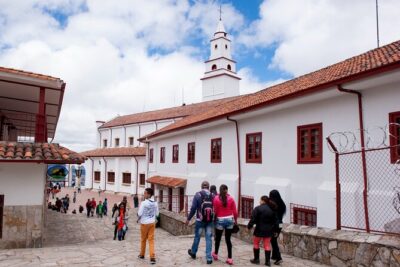
Bogota + Monserrate Private City Tour, Museums, Candelaria.
Read our review →
Private City Tour, Monserrate, Emerald and Botero
Read our review →
Bogotá City Tour with Monserrate, Gold and Botero Museums
Read our review →
Bogotá Tour: Monserrate, Food, City Walk & Botero Museum
Read our review →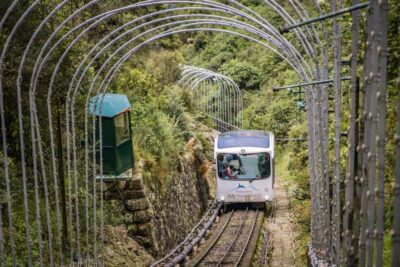
Private Tour in Bogota : Monserrate, Museums and Candelaria
Read our review →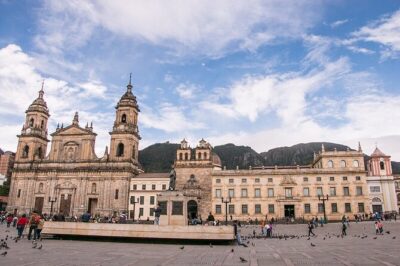
Private Bogotá Tour: Candelaria, Gold Museum, Optional Monserrate
Read our review →Browse the lists this tour appears in